Why self catering makes sense on Margarita Island
Self-catering on Margarita Island offers a clear mix of practical advantages that match the island’s rhythms and geography. For English-speaking travelers who value control over food budgets and meal timing, having a private kitchen removes the need to eat every meal out—especially useful when distances between towns and beaches add up in taxi or rental-car costs. Local meal prices can vary sharply: informal kiosks near busy beaches may charge more for convenience, while neighborhood eateries inland often cost less; cooking at “home base” levels out daily spending. Dietary needs are another major reason to choose self-catering. Fresh seafood is abundant at markets and fish stalls, but for travelers with allergies, vegetarian diets, or specific dislikes, a kitchen allows precise ingredient control. Families benefit too: small children typically prefer consistent routines, specific foods, or early bedtimes, and a self-catering apartment or villa makes those patterns feasible without hunting for family-friendly menus at odd hours. Longer stays, whether a month-long remote work period or an extended holiday, become more comfortable and economical when groceries, laundry routines, and personal space replace repeated restaurant bills and the need to tidy up constantly in unfamiliar public dining spaces.
Practical scenarios underscore the value of self-catering on Margarita. Digital nomads seeking monthly rentals often prioritize reliable Wi‑Fi and a proper kitchen so grocery runs and home-cooked meals support a steady routine between work sessions and beach breaks. Groups or families splitting a multi-bedroom villa can achieve better value per person than booking multiple hotel rooms, while still enjoying communal meal times. Pet owners who find pet-friendly self-catering rentals can keep animals with them without worrying about pet policies at eateries or leaving pets in kennels. Shopping at local supermarkets and produce stands supports flexibility—early-morning market finds turn into breakfast feasts, while late arrivals can manage a simple pasta and salad without frantic searching for open restaurants. Overall, self-catering aligns with the island’s mix of lively seaside zones and quieter inland neighborhoods: it lets travelers blend independence with local discovery, buying ingredients at markets, trying a fresh catch the same day, and pacing meals around sun, sea and surfing sessions.
Types of self-catering properties to expect around the island
Margarita Island’s self-catering scene includes a spectrum of property types suited to diverse traveler needs. Self-catering apartments in towns like Porlamar and La Asunción often feature compact full kitchens or well-equipped kitchenettes, making them ideal for couples and solo travelers who prioritize proximity to shops and transport. Vacation rental villas—spread across coastal neighborhoods and more secluded inland plots—tend to offer larger kitchens, multiple bedrooms and private outdoor dining areas, appealing to families or groups seeking space and privacy. Beachfront self-catering properties provide immediate access to sand and surf, with simple food-prep areas designed for quick beach-side breakfasts or evening seafood dinners; these are particularly attractive for travelers who plan multiple beach days and want to maximize time near Playa El Agua or Playa Parguito without constant commutes. Budget hostels and guesthouses with shared kitchens present an economical option for backpackers or small groups willing to share communal cooking facilities, and they can be a great way to meet fellow travelers and swap recipe tips or market recommendations.
Each property type carries expectations about layout and equipment. Apartments and small units commonly provide compact but functional kitchens—two- or four-burner stoves, a modest refrigerator, basic cookware and a small dining table—suited for light meal prep and breakfast routines. Vacation rental villas often include full kitchens with larger cooking surfaces, multiple storage options and room for group meal prep, which benefits family-style dinners and longer stays where storing bulk groceries matters. Beachfront units focus on convenience: outdoor seating and easy-clean surfaces are typical, so meals stay simple and breezy. Hostel kitchens tend to emphasize shared utilities—locking food storage areas, labeled shelves and community rules—making them a budget-savvy choice for travelers comfortable with shared spaces. When choosing between these types, match the property category to the trip profile: short romantic breaks may favor compact beachfront apartments, families might prefer multi-bedroom villas inland with more storage, and budget conscious or social travelers can leverage hostels and shared kitchens for cost savings and local tips.
Picking the right kitchen setup for your stay
Choosing between a kitchenette and a full kitchen in Margarita rentals will shape day-to-day rhythms more than many guests expect. Kitchenettes are common in smaller apartments and some beachfront units: they typically include a two-burner stove or hot plate, a compact fridge, a microwave, and a limited set of pots, pans and utensils. These setups are perfect for travelers who plan light cooking—simple breakfasts, sandwiches, salads, or reheating market-bought seafood. Full kitchens, usually found in larger vacation villas and long-stay apartments, offer four-burner stoves or ovens, more extensive cookware, larger refrigerators and more counter space—allowing ambitious cooks to roast, grill, bake and prepare multi-course meals. For remote-workers or families planning weekly meal prep, a full kitchen reduces reliance on restaurants and increases variety in meal choices. Key features to confirm before booking include burner type (gas or electric), refrigerator size and freezer access (important for storing fresh fish or frozen staples), and whether basic implements like knives, cutting boards, and pans are provided.
Reading listings carefully will reveal the likely kitchen quality: clear photos of the cooking area, explicit mention of oven or stove type, and guest reviews that note cookware completeness or missing items are strong signals. Packing decisions hinge on these details—bringing a sharp chef’s knife, a small cutting board, or specialty items like a fish-cleaver makes sense if listings suggest minimal kitchenware. For barbecuing or grilling, check listing rules and balcony restrictions; some properties allow small charcoal or portable grills, while others prohibit open flames. Expect cleaning basics such as dish soap, sponges and paper towels to vary; in some rentals these are supplied, in others guests must purchase them locally. For those planning to cook traditional Venezuelan dishes or prepare fresh seafood from local markets, verifying the presence of a sturdy stove and adequate refrigerator space will avoid last-minute compromises and let guests fully enjoy self-catered island cuisine.
Where to shop for groceries and supplies locally on Margarita Island
Finding groceries and kitchen supplies on Margarita Island is straightforward once familiar with the island’s retail landscape. Larger supermarkets and mini-market chains in towns like Porlamar, Pampatar and La Asunción stock a broad mix of staples and some imported goods—think rice, pasta, flour, basic canned goods, cooking oil and a selection of dairy and refrigerated items. These stores usually have predictable opening hours (often early morning to late evening), card terminals at registers, and a familiar layout for international shoppers. Smaller independent grocery shops and bodegas are scattered across residential neighborhoods and are ideal for late-night runs or grabbing last-minute items like eggs, bread, bottled water and basic toiletries. Convenience stores near beach hubs often carry snacks, sun-care basics and chilled drinks, though prices can be higher than inland supermarkets. When planning a self-catering stay, note that larger supermarkets will offer a larger selection of condiments, spices and packaged imports; independent shops and neighborhood marts excel at fresh bread, milk and immediate needs.
Beyond food, island hardware stores and small housewares shops supply practical kitchen items that might be missing from a rental—basic utensils, pots, cutting boards and inexpensive reusable containers. Local markets and street vendors often sell reusable bags and plasticware at low cost, handy for beach picnics or storing leftovers. Fuel for portable camping stoves and small gas canisters is available at select hardware stores and some supermarket chains; however, availability can vary by location so checking ahead or buying replacements in larger towns is prudent. Payment methods vary by outlet—supermarkets commonly accept cards, while smaller shops and market stalls may prefer cash; ATMs are available in main towns but carry reasonable withdrawal fees, so bringing enough local currency for markets and small purchases is sensible. For travelers needing specialty dietary items—gluten-free products, imported cheeses or certain condiments—Porlamar tends to have the best selection, while smaller towns require more creativity with local substitutes.
Markets and produce stands for fresh local ingredients
Local markets and produce stands are the heartbeat of ingredient sourcing on Margarita Island, and they offer far more than fruit and vegetables—fresh fish delivered by early-morning boats, regional cheeses, homemade condiments and lively bargaining. Morning markets in towns such as La Asunción and select neighborhood plazas are where fishermen and farmers converge, so visiting early yields the best selection of bright-red tomatoes, fragrant mangoes, ripe avocados and the day’s catch. Many vendors proudly display their wares and are happy to show provenance; asking about where the fish was caught or whether fruit is from nearby farms can lead to the freshest buys. Seasonal shifts are noticeable: mango and papaya flourish in warmer months, while certain root vegetables and plantains remain reliably available year-round. Bargaining at open-air stalls is common but friendly—starting slightly below the asking price or buying in bulk for a small discount is an accepted practice in many spots.
Markets are also excellent for picking up regional ingredients to recreate local dishes—queso de mano and other fresh cheeses, cassava and plantain varieties, and small containers of pre-made salsas or ají that add instant local flavor. Fishmongers often prepare fillets on request, removing bones and cleaning for easy home preparation—an invaluable service for cooks who prefer not to handle whole fish. For those wanting to shop like a local, take a reusable bag and small bills, and be prepared to sample: vendors frequently offer tastings, especially for fruit. For longer stays, regular visits to the same stall can build rapport and lead to insider tips on when the best catches arrive or which produce arrives freshest after a rainy spell. Markets also serve as a cultural window into island life—listening to vendors, sampling snacks and observing the morning rhythm offers an immersive backdrop to self-catered meals.
Sample grocery list for a week of self-catering on Margarita Island
A practical, space-conscious grocery list keeps a week of self-catering efficient without overbuying. For two adults aiming for breakfasts, two to three simple dinners, picnics and snacks, start with pantry staples: 2–3 kg of rice, 500 g of pasta, a bottle of cooking oil (vegetable or sunflower), basic salt and pepper, a small packet of mixed spices or adobo, and a jar of tomato sauce. Add breakfast basics: a dozen eggs, bread or rolls for 5–7 mornings, butter or margarine, a small block of local cheese such as queso de mano, and instant coffee or tea bags. For proteins and fresh items, budget for three main protein purchases across the week—two portions of fresh fish from the market, one whole chicken or several chicken thighs, and a pack of canned tuna for quick salads. Include dairy: a litre of milk and a small tub of yogurt, and fresh produce such as plantains (4–6), tomatoes (6–8), onions (3–4), garlic (1–2 heads), bell peppers (2–3), a couple of seasonal fruits (mangoes, papayas), a small bunch of cilantro or parsley, and lettuce for salads.
For snacks, add crackers, a bag of chips and local sweets if desired, plus bottled water for drinking (or larger refillable jugs if the property supports refills). Don’t forget basic cooking extras: a small bag of sugar, a lemon or two for seasoning and ceviche, and condiments like mayonnaise and a local hot sauce. Cleaning and kitchen supplies often need to be purchased: dish soap, a sponge, paper towels, a trash bag roll and a small pack of cling film or reusable food wraps. Optional items to elevate meals include lime for ceviche, paprika or cumin for local flavors, charcoal or a portable grill fuel if permitted for beach picnics, and an insulated cooler bag for day trips. Adjust quantities to match cooking ambition—those planning more restaurant mixing can pare back, while families or groups cooking most meals should increase staple quantities and buy larger protein portions or bulk rice and oil.
Local flavours to cook and easy recipes for self-caterers
Margarita Island’s culinary landscape centers on fresh seafood, corn-based staples and tropical fruit, offering plenty of approachable recipes for self-caterers. Simple grilled or pan-seared fish works brilliantly with only a few ingredients: fresh fillets, lime, salt, pepper and a drizzle of oil; serve with rice and fried plantains for a satisfying beach-night dinner. Arepas—cornmeal patties—are a must-try for self-caterers: pre-cooked arepa flour (harina precocida) mixes with water and salt to form patties that cook on a skillet in minutes and can be stuffed with shredded chicken, local cheese or black beans. For a light starter or lunch, a quick ceviche made from the day’s catch, lime juice, sliced onions, chopped cilantro and diced peppers requires minimal utensils and highlights the island’s fresh seafood without intensive cooking.
For slightly more involved recipes suited to a full kitchen, consider a “pabellón light” using shredded chicken or beef with black beans, rice and fried plantains, seasoned with garlic, onions and cumin. Simple one-pot meals—chicken and rice with peppers and diced tomatoes—are ideal for longer stays as they make leftovers and minimize cleanup. Local cheeses such as queso de mano or queso blanco can be sliced for breakfast platters with fruit, or warmed in pans for a melty snack. Sauces built from local ingredients—garlic, onion, ají, vinegar and oil—create quick dressings for salads or marinades for fish and chicken. Pairing suggestions are casual: light, crisp beers or fresh fruit juices complement seafood dishes, while simple sparkling water with lime suits richer meals. For self-caterers who want to learn local techniques, market tours and short cooking demonstrations (available through local providers) can convert a few ingredients into authentic island meals and teach tips for filleting fish, preparing arepas and balancing tropical flavors.
Eating out and takeout options that complement self-catering
Mixing self-catering with local takeout keeps meals varied and reduces cooking fatigue. Margarita’s towns and beach hubs offer an array of small eateries and casual food stalls that specialize in grilled fish, empanadas, arepas and fried snacks ideal for takeaway. Neighborhoods such as Los Robles and central La Asunción host compact restaurants where food can be ordered to-go and brought back to a rental for a relaxed evening—perfect for combining a market-bought salad with a freshly grilled portion of fish. Beachside kiosks near Playa El Agua and Playa Parguito often serve quick plates and seafood snacks during peak hours, though prices can be slightly higher; for better value, head inland to family-run fondas and soda-style eateries where daily specials showcase local flavors at modest prices.
Ordering tips: many small vendors accept cash only, and Spanish phrases for ordering and specifying portion sizes or doneness are helpful; carrying small bills simplifies transactions. Look for dishes that travel well—wrapped arepas, empanadas, grilled skewers and cold ceviche in sealed containers—while hot stews or heavily sauced dishes might need reheating. For groups or family nights, consider combining a market-cooked salad or side with a larger takeout entree to reduce cooking time while sampling a variety of local dishes. Delivery services in larger towns are limited compared with big cities, so pre-ordering during busy dinner hours or picking up meals directly often guarantees fresher food and faster service. Checking recent guest reviews on Agoda for mentions of nearby reliable takeout spots and recommended dishes helps identify dependable options during the stay.
Laundry and self-service facilities for longer stays
For travelers staying a week or longer, laundry logistics become a practical part of packing and planning. Many self-catering apartments and villas list in-unit washing machines or laundry areas, which are ideal for quick cycles between beach days—verify whether machines use local coin systems or require detergent to be purchased separately. Where in-unit machines aren’t available, neighborhood laundromats and small laundry services in towns like Porlamar and Pampatar offer affordable wash-and-fold options; these services often run on a next-day turnaround, though express same-day options may be available for an extra fee. Self-service coin-operated laundromats exist but are mostly concentrated in larger towns; they operate on straightforward principles but bring coins and, occasionally, local detergent pods if the machine accepts them. Hand-washing remains common for delicates or swimwear—rinsing in the sink and air-drying on a balcony or clothesline is often the simplest approach for beachwear.
Practical tips: bring a small supply of travel detergent and a lightweight clothesline for quick drying of swimsuits and towels, and pack a few clothes pegs. Confirm laundry prices and expectations with hosts before arrival—some properties offer laundry services or local recommendations which can save time. For longer stays, rotating a few wardrobe basics and planning a mid-week laundry run keeps luggage minimal. If medical or baby-care items require urgent washing, local services can usually accommodate prioritized requests. Always check drying facilities and whether properties provide iron or drying racks; humid months can lengthen drying times, so plan outdoor activities accordingly to ensure clothes dry between uses.
Staying connected: work-friendly rentals and Wi‑Fi expectations
Internet connectivity is a key factor for remote workers and digital nomads choosing self-catering rentals on Margarita Island. Listings vary widely: some properties advertise reliable high-speed Wi‑Fi suitable for video calls and moderate uploads, while others offer basic connections adequate for browsing and messaging but not high-definition streaming or heavy uploads. Confirm upload and download speeds when possible—ask hosts for recent speed-test results or look for guest reviews that mention online meeting quality. For longer-stay professionals, rentals in town centers like Porlamar or Pampatar generally have more stable broadband options due to infrastructure, whereas remote beachfront or hillside properties may rely on satellite or limited local providers with slower or intermittent service.
Mobile options provide a helpful backup: local SIM cards with data packages are available from national carriers and often supply sufficient bandwidth for tethering in areas with good cellular coverage. Purchasing a data plan at an authorized vendor or carrier store in a main town is straightforward, and prepaid plans can be topped up at convenience stores. For critical workdays, consider a portable Wi‑Fi hotspot or ordering a secondary data SIM as redundancy. Work-friendly rentals frequently advertise a dedicated workspace—desk space, good lighting and power outlets—so look specifically for these features when booking. Battery backups or a small UPS are wise for protecting laptops during occasional power fluctuations; packing a lightweight travel adaptor and surge protector ensures equipment compatibility and protects gear during unexpected outages.
Transport options for self-caterers getting around the island
Getting around Margarita Island as a self-caterer blends flexibility with a bit of local savvy. Car rental remains the most convenient option for guests staying in self-catering apartments, vacation rental villas, or beachfront properties because it keeps groceries, beach gear and day-trip plans on the same timeline. Rental agencies operate out of main towns and the airport; smaller compact cars are economical and useful on narrower local streets, while larger groups often prefer SUVs or station wagons for luggage and cooler space. Fuel stations are common along main routes between Porlamar, Pampatar and La Asunción, but in quieter southern stretches and less developed roads it’s wise to refuel before long drives. Driving habits on the island tend to be relaxed but unpredictable: watch for pedestrians, livestock near rural roads, and occasional potholes on secondary routes. Valid driving licences from most countries are accepted, but checking age requirements, insurance coverage and whether the rental includes third-party liability is crucial before signing.
Taxis and ride options suit short hops and late-night returns from beaches or dining spots when parking or narrow streets complicate car use. Metered taxis appear in town centers and at major hubs, while pre-arranged taxi services can be booked for airport transfers or longer inter-town trips—agreeing on a fare in advance for longer journeys avoids misunderstandings. Public buses and shared vans (colectivos) are the most budget-friendly choice for getting between major towns and some beach routes. Buses have set routes and are well used by locals; they’re inexpensive but can be slower and less predictable for tight itineraries. For those planning day trips to Isla Coche or coastal excursions, boat charter points and authorized watercraft departures cluster at designated piers—booking early in high season helps secure desired departure times. Combining rental-car days with occasional taxis or buses gives a balanced approach: drive when hauling groceries or groups, and take taxis or buses for nights out or when leaving the car at the rental to avoid limited parking in busier strips.
Beach-adjacent self-catering stays and water sports access
Beach-adjacent self-catering properties make it easy to alternate between cooking at “home” and hours of shoreline activity. Rentals near Playa El Agua and Playa Parguito are popular because of their proximity to sand-friendly kitchens and simple outdoor dining spaces where fresh-market fish can be turned into an evening meal minutes after returning from the beach. Many shoreline neighborhoods have rentable storage or small surf shops where boards, snorkels and paddleboards can be rented by the day or week—ideal if a full vacation includes a few dedicated water-sport days but doesn’t justify bringing bulky gear. Snorkeling spots with calm waters cluster near certain coves and rocky outcrops; checking local conditions before heading out is wise, as currents and visibility change with tides and weather. For surfing, Playa Parguito is known for more consistent waves; arranging lessons or board rentals through local surf schools that operate close to popular beaches eases logistics for beginners.
Planning water-sport days from a self-catering base is simpler with a lightweight approach: purchase reef-safe sunscreen and a basic dry bag at local stores, pack simple picnic supplies from a nearby supermarket and confirm where equipment returns are located if renting. For longer stays, weekly rental deals on boards and gear can be economical—ask rental shops about multi-day rates. Boat trips and launches to Isla Coche and nearby islets leave from specific piers and small marinas; many operators allow guests to bring packed lunches from their self-catering kitchens and will advise on the best boarding points for departure. For safety, swim or snorkel in designated areas, heed lifeguard flags where present, and use floatation aids if conditions look choppy. Storing wet gear carefully—rinsing snorkel sets and boards before bringing them inside—protects rental kitchens and reduces sandy mess in living spaces.
Family-friendly and child-focused self-catering features
Self-catering options on Margarita Island offer many conveniences that appeal to families traveling with young children. Multi-bedroom vacation rental villas and larger apartments provide separate sleeping spaces and common living areas where kids can nap while adults prep meals. Easy access to supermarkets, pharmacies and clinics is an important consideration—families benefit from choosing rentals within short drives to Porlamar, Pampatar or La Asunción where supplies and pediatric services are easier to reach. Properties with enclosed terraces or secure patios help parents relax while children play nearby; when such private outdoor areas are present, listing photos and guest reviews often indicate whether the layout feels safe for toddlers. For cooking, full kitchens with larger fridges and stovetops simplify meal prep and storage of formula, snacks and child-friendly foods, while arepa flour and fresh cheese offer quick, familiar options that appeal to many young palates.
Child-focused activities across the island pair naturally with a self-catering rhythm. Family beach days at quieter coves or slow-slope shores let younger children paddle safely and enjoy packed lunches fetched from the rental kitchen. Markets and small farms create sensory outings where kids can sample tropical fruits and learn about local ingredients. When planning longer stays, confirm availability of cribs, high-chairs or child-safety gates with hosts—many property owners can arrange rentals or recommend nearby baby-equipment providers. For medical reassurance, know the nearest clinics and emergency numbers before arrival; guest reviews on Agoda often mention proximity to healthcare or pharmacies, which is useful when evaluating family suitability. Combining home-cooked meals with occasional kid-friendly takeout from nearby fondas reduces cooking pressure and opens opportunities to try local dishes in toddler-friendly portions.
Pet-friendly rental options and rules to know
Finding pet-friendly self-catering rentals on Margarita Island is increasingly possible, though policies and expectations vary widely. Many private owners who list apartments, villas or beachfront houses indicate pet acceptance clearly in their descriptions, often attaching conditions such as size limits, pet deposits or extra cleaning fees. When searching, use Agoda filters and read listing fine print carefully to confirm that a pet is truly welcome—not merely tolerated. Neighborhood choice matters: quieter residential streets or properties with secure outdoor spaces make life easier for dogs and their owners, while busy beachfront strips with high foot traffic may be less suitable for nervous pets. Beaches on the island have differing local rules regarding dogs; some areas welcome leashed pets at certain times of day while others restrict them—checking local signage and asking hosts for recent local practices keeps outings stress-free.
Practical pet-travel tips elevate the stay: bring a familiar blanket and bed to reduce pet anxiety, pack sufficient food for the length of the trip, and carry documentation such as vaccination records in case a local vet is needed. Several towns host veterinary clinics and pet supply shops—Porlamar typically has the broadest selection—so knowing where to find flea treatments, specific diets or emergency care is important before arrival. For multi-week stays, discuss mid-stay cleaning and any noise concerns with hosts; neighbors appreciate considerate pet management. Finally, consider microclimate factors—provide shaded, ventilated spaces for pets in tropical heat, avoid midday walks during hot spells and ensure fresh water is always available. Proper planning enables pets and owners to enjoy beaches, markets and relaxed evenings at a self-catering base together.
Long-stay and monthly rental considerations
Long-stay self-catering rentals on Margarita Island draw travelers seeking the comfort of a home base for work, slow travel or extended escape from busier environments. Monthly rentals often include discounted rates compared with nightly bookings, but key practicalities require attention: clarify how utilities are handled (flat-rate versus pay-as-you-go), whether cleaning is included or available at extra cost, and how internet service is billed and maintained. Reliable Wi‑Fi is a top priority for extended stays—ask hosts for recent speed-test information and whether backup mobile options or local SIM recommendations exist. Storage space, laundry facilities and adequate pantry capacity matter too: long-stay guests benefit from full kitchens with larger refrigerators, pantry shelving for bulk items and either in-unit washers or trusted nearby laundromats for regular cycles.
Neighborhood selection affects monthly comfort. Staying near main towns like Porlamar or La Asunción simplifies routine errands—supermarkets, pharmacies and medical clinics are often within easy driving distance. Conversely, quieter coastal or hillside neighborhoods deliver tranquility but require planning for weekly supply runs. For paperwork and deposits, many owners expect a security deposit and a clearer cancellation policy for monthly agreements; securing those terms in writing through Agoda messaging or a rental addendum protects both parties. Consider registering local contacts and confirming local emergency services, and ask hosts about local services such as long-term grocery delivery, garbage collection days and nearby coworking options if productivity is a goal. Finally, review visa or entry requirements for stays that approach or exceed standard tourist visa lengths and plan renewals or extensions accordingly to avoid overstaying.
Budget self-catering strategies and hostel kitchens
Stretching a travel budget on Margarita Island is straightforward when leveraging self-catering choices and local buying habits. Shared kitchens in budget guesthouses and hostels offer major savings by enabling travelers to split bulk staples like rice, oil and charcoal for occasional grills. Hostels often have labeled shelf systems or lockboxes for individual food storage—reading house rules and leaving communal spaces clean and tidy fosters goodwill and can lead to local tips from fellow travelers. Shopping at morning markets for fresh produce not only reduces spend compared with supermarket prices but also supports vendors and ensures flavorful meals. Planning a weekly menu around inexpensive staples—rice, beans, plantains and seasonal vegetables—combined with one or two fresh fish purchases keeps meals interesting without overspending.
Other economical practices include preparing large one-pot dishes that yield multiple meals, sharing meal prep with travel companions to lower per-person costs, and buying supermarket brands for staple items. For group stays, pooling funds to purchase bulk proteins or larger rice bags maximizes value. When booking, look for Agoda listings that explicitly mention shared kitchens or communal fridges and check guest reviews for notes on cleanliness and utensil availability to avoid unexpected costs replacing missing cookware. Lastly, barter little extras when buying from markets—vendors sometimes offer small discounts for repeat business or bulk purchases, and cultivating a friendly rapport through regular shopping trips can lead to fresher produce and better prices.
Luxury self-catering villas with private outdoor living
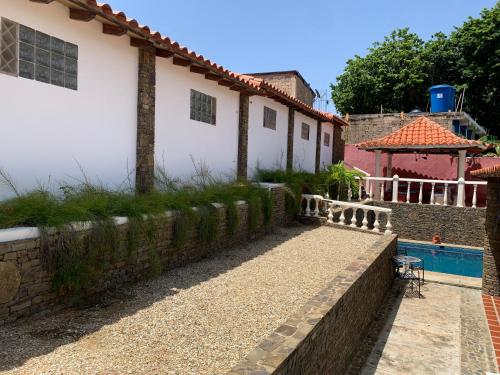
Luxury self-catering villas on Margarita Island combine spacious living with private outdoor areas that suit group meals, family gatherings and relaxed evenings after beach days. These higher-end rentals tend to appear near desirable beaches or tranquil hilltop locations, offering larger kitchens equipped for more ambitious cooking—think room for multiple cooks, larger refrigeration for fresh seafood and pantry space for imported goods. Outdoor terraces or dining areas allow group meals al fresco and often provide covered dining spaces to avoid midday sun; while not a hotel feature, these private outdoor settings make it easy to host a family-style dinner prepared from a market haul. For guest comfort, confirm whether listings include details about outdoor lighting, wind protection and outdoor furniture condition—these affect evening dining and how much time guests spend outdoors compared to indoors.
Choosing a luxury villa often means proximity to quality grocery options and boutique produce sellers—Porlamar and Pampatar typically offer the best nearby choices for specialty items. Hosts of upscale properties frequently provide local recommendations for private chefs or catering for special occasions; arranging a one-night chef service to showcase island flavors can complement a mostly self-catered stay. When comparing premium listings on Agoda, look for explicit mentions of kitchen scale, refrigeration volume and outdoor dining setups. For longer luxury stays, verify storage security for valuables and whether property management handles mid-stay maintenance to ensure uninterrupted comfort across weeks or months.
Accessibility features in self-catering accommodation
Accessibility in self-catering rentals varies, but clear communication and focused searches yield suitable options for travelers with mobility needs. Listings that highlight “step-free access,” ground-floor layouts and wider doorways often indicate a friendlier environment for wheelchair users or guests who use walking aids. Adapted bathrooms with grab rails, roll-in showers or lowered counters are less common but do appear in some apartments and purpose-adapted villas; where these features are not explicitly listed, asking hosts specific questions via Agoda messaging clarifies what adjustments, temporary ramps, or equipment might be possible. Proximity to accessible services—pharmacies, clinics and transportation options—adds practical value; choosing a central neighborhood reduces distance to medical facilities and supplies if needed.
Booking with accessibility in mind also means factoring in transport. Taxis with adequate space for mobility equipment may be less guaranteed in smaller districts, so confirming vehicle availability ahead of arrival ensures smoother transfers. For longer stays, locating nearby rental providers that supply mobility aids or arranging delivery from larger towns eases daily life. Review signals from guest feedback are valuable—search reviews for comments about step-free access, parking ease and bathroom adaptations. Detailed pre-arrival conversations and a checklist of required features help avoid surprises on arrival and ensure the self-catering stay is comfortable and functional for all travelers.
Safety, neighborhood picks and emergency services
Safety considerations shape where to stay on Margarita Island, especially for those relying on self-catering for longer periods. Neighborhoods with steady residential activity, good lighting and proximity to essential services like supermarkets and clinics tend to feel safer and more convenient; parts of Porlamar, Pampatar and La Asunción offer these practical benefits. When evaluating listings, check guest reviews for notes on neighborhood noise, street lighting and ease of evening walks. Property-level details—secure entryways, visible street addresses for taxis and clear host communication on local norms—make organizing grocery runs and late returns less stressful. For emergency preparedness, note the nearest clinic or hospital and store local emergency numbers; this is particularly important when traveling with children, pets or medical conditions that might require quick attention.
Food safety is central when self-catering, especially with seafood. Keep fresh fish chilled and use it within a day of purchase when refrigeration is limited; storing fillets above 4°C (39°F) and preparing promptly reduces spoilage risk. Clean cutting boards and utensils thoroughly between raw seafood and other foods to avoid cross-contamination, and when in doubt about fish freshness, choose frozen or well-chilled options from reputable vendors. For general safety, lock valuables and use discreet storage—avoid displaying large amounts of cash or expensive gear in visible spaces. In unfamiliar neighborhoods, ask hosts or local contacts about safe routes for evening walks and practice common-sense precautions like avoiding poorly lit alleyways. Combining smart neighborhood selection with food-safety habits keeps stays secure and healthful.
Local customs for shared kitchens and community living
Shared kitchens in hostels, guesthouses or multi-unit complexes work best when everyone follows a few simple local customs and etiquettes. Cleaning up immediately after cooking, washing and returning cookware, and labeling or storing personal food in assigned shelves or lockboxes show respect for communal norms and reduce friction among guests. Noise considerations matter—cooking with loud appliances or late-night gatherings can disturb neighbors in quiet residential areas, so quieter meal prep and early cleanup are appreciated. Some properties expect small collaborative chores or contributions to shared supplies; reviewing house rules on arrival and asking politely about expectations keeps communal life smooth.
Simple Spanish phrases help navigate kitchen interactions and avoid misunderstandings—asking “¿Puedo usar esto ahora?” (Can I use this now?) or “¿Dónde pongo mi comida?” (Where should I put my food?) shows politeness and clears logistics. For waste disposal, many properties have specific trash days and sorting rules—learn routines early and follow them to avoid fines or irritation. Respecting local community norms, including modest noise levels after certain hours and considerate use of shared outdoor areas, helps self-caterers fit in with neighbors and enjoy a cooperative environment during their stay.
Waste disposal, recycling practices and sustainable choices
Sustainable self-catering starts with small choices that reduce plastic and food waste while supporting local vendors. Buying loose produce from markets—rather than pre-packaged items—cuts single-use plastic at the source; bring reusable bags to markets and supermarkets to minimize bag use. Some neighborhoods have basic recycling or separation programs, but recycling services are not uniformly available island-wide, so compostable scraps and food waste can be minimized by careful portion planning and by using leftovers creatively for new meals. For longer stays, consider donating unopened nonperishable items to local charities or community kitchens if plans change and food would go unused.
Practical sustainable actions include preferring vendors who use minimal packaging, refilling water jugs where safe refill stations exist, and avoiding bottled water when the rental provides safe drinking-water options. When purchasing seafood, ask about sustainable practices or seasonal availability—buying smaller local catches supports local fishers while often reducing ecological pressure from larger commercial operations. Reusable containers for beach picnics and storing leftovers save money and reduce landfill waste, and speaking with hosts about local waste-collection days ensures that garbage is disposed of properly. These small choices preserve the island’s charm and keep kitchens efficient and environmentally considerate.
Power, utilities and what to expect with electricity
Utilities on Margarita Island can vary by neighborhood and property type; understanding typical expectations avoids surprises. Many rentals offer steady electricity and standard grid power, but occasional outages do occur—especially during heavy storms or infrastructure maintenance—so properties may list backup options like small battery packs or recommend bringing power banks for essential devices. The island uses 110–120V or 220–240V depending on the property—check appliance compatibility and pack a travel adaptor or voltage converter where necessary. Water supply also fluctuates at times; in some neighborhoods water pressure is consistent, while in more remote areas intermittent supply or scheduled water delivery is possible. Confirm whether the property has a cistern or scheduled water deliveries and whether hot water is supplied continuously or on demand via electric heaters.
Practical measures for a smooth stay include packing a small surge protector for sensitive electronics and a compact power bank for days spent beach-hopping. For longer stays, clarify whether utilities are included in the rental rate or billed separately to avoid unexpected expenses. Hosts often provide guidance about local energy-saving habits that both cut costs and mitigate outage impacts—using fans instead of air cooling where practical, running laundry at off-peak hours and unplugging nonessential devices during storms. These small preparations help ensure that electricity and water realities do not derail a well-planned self-catering holiday.
Money matters cash machines payment and tipping tips
Understanding local payment norms eases grocery shopping and market bargaining on Margarita Island. Venezuelan currency and cash remain common at small markets, street vendors and many casual eateries, while larger supermarkets and chains usually accept cards. ATMs are available in Porlamar, Pampatar and other main towns, but carrying small bills for markets and taxis is prudent since some vendors prefer cash and card machines may be intermittently available. Traveler cards or local prepaid options can help with budgeting; just be mindful of ATM fees and possible daily withdrawal limits. For purchases of fresh fish or market haul, having small-denomination bills simplifies transactions and encourages pleasant vendor interactions.
Tipping culture is modest—leaving small change or rounding up at casual eateries and for helpful local services is appreciated but not obligatory. For takeout or grocery carry services, a small tip for friendly, prompt service is customary. When paying for taxis and pre-arranged transportation, agreeing on fare upfront for longer runs reduces confusion; tipping a few extra bolívares or equivalent for good service shows gratitude. Keep a secure method for carrying cash—use a money belt or secure pouch and split funds between locations to avoid losses. Reading recent guest reviews on Agoda often clarifies whether nearby vendors accept cards and flags any ATM reliability issues in the neighborhood.
Language shortcuts and Spanish phrases for shopping and cooking
Basic Spanish phrases go a long way when shopping at markets, ordering takeout or clarifying kitchen details with hosts. Simple, polite expressions reduce friction: “¿Cuánto cuesta?” (How much does it cost?) and “¿Está fresco?” (Is it fresh?) are invaluable at produce stalls. When buying fish, phrases like “¿De dónde vino esto?” (Where did this come from?) or “¿Me lo puede limpiar y filetear?” (Can you clean and fillet it for me?) help obtain market-ready seafood without confusion. For grocery needs, ask “¿Dónde está la leche/el arroz?” (Where is the milk/rice?) and carry “Gracias” (Thank you) and “Por favor” (Please) to keep exchanges friendly.
In household contexts, polite phrases smooth interactions with hosts and neighbors: “¿Dónde tiro la basura?” (Where do I put the trash?) and “¿A qué hora pasan a recoger la basura?” (What time do they collect the garbage?) solve logistical questions quickly. For shared kitchens, “¿Puedo usar esto?” (Can I use this?) and “Lo lavo ahora mismo” (I’ll wash it right now) show courtesy. Practicing these shortcuts ahead of arrival makes market bargaining, ordering takeout and coordinating with property managers quicker and more enjoyable—small language efforts often produce warm local interactions and clearer expectations.
Health precautions clinics and medical supplies to pack
Packing a compact health kit keeps self-catering travelers ready for minor ailments and the island’s tropical climate. Essentials include basic pain relievers, anti-diarrheal medication, antihistamines for allergic reactions, and antiseptic wipes or a small first-aid kit for minor cuts and scrapes. For seafood preparation, bring disposable gloves if uncomfortable handling whole fish and a reliable food thermometer if cooking for young children or older travelers to ensure proper internal temperatures. Sun protection—broad-spectrum sunscreen, hats and protective clothing—is vital, as is insect repellent for evenings and more rural excursions. If prescription medications are needed, bring an ample supply along with copies of prescriptions and a note from a healthcare provider to avoid complications at customs or with pharmacies.
Knowing where clinics and pharmacies are located ahead of time reduces stress: Porlamar hosts several medical centers and pharmacies with broader opening hours and supply options, while smaller towns have more limited services. For urgent concerns, identify the nearest clinic or hospital from the rental location and store local emergency numbers. Vaccination or travel-health requirements depend on origin country; consult a healthcare professional pre-trip if unsure. When preparing seafood at the rental, always keep raw and cooked items separate, refrigerate promptly and discard any fish left out in hot conditions for longer than safe limits. These precautions protect health and let the culinary side of self-catering remain a highlight rather than a hazard.
Sample weeklong self-catering itinerary centered on food and beaches
A balanced seven-day self-catering itinerary pairs market mornings, beach afternoons and a mix of cooking and local experiences. Start the week with a supermarket run to stock pantry staples and pick up basics, then follow an early morning market visit to La Asunción or Porlamar for fresh seafood and produce—spend the afternoon unpacking, prepping a simple arepa-based dinner and enjoying a sunset stroll at a nearby beach. Midweek, plan a full beach day at Playa El Agua with a packed lunch from the rental and an afternoon siesta; use the evening to grill or pan-sear that day’s fresh catch with rice and fried plantains. Slower days mid-stay suit a morning cooking class or guided market tour that clarifies how to fillet fish, make arepas and prepare local salsas, leaving evenings free for relaxed home-cooked meals.
Toward the weekend, schedule a boat day to Isla Coche with a prepared picnic from the self-catering kitchen and snorkel stops, returning for a casual takeaway from a recommended local fonda. Reserve one night for a more elaborate family-style dinner if staying in a villa with a larger kitchen—think a hearty rice-and-beans dish with roasted or grilled proteins and a fresh salad. The final day balances leftover use—creative wraps or salads from remaining ingredients—and a brief market visit for last-minute gifts like local jams or dried spices. This rhythm keeps travel stress low, lets the island’s flavors shine and makes grocery shopping and cooking part of the holiday experience rather than a chore.
Packing checklist for self-catering travelers to Margarita Island
A targeted packing list simplifies arrivals and kitchen use. Essentials include a small set of reusable containers and resealable bags for leftovers and beach picnics, a compact knife and lightweight cutting board if unsure about kitchen completeness, and a travel-friendly spice kit with salt, pepper and a versatile spice blend. Bring a travel adaptor and, if needed for sensitive electronics, a small voltage converter or surge protector; power banks and a flashlight or headlamp are handy during occasional outages. For beach days and water activities, include reef-safe sunscreen, a lightweight cooler bag, and quick-dry towels; for clothing, pack breathable fabrics and a light rain layer for brief tropical showers.
Other useful items: a small laundry kit with travel detergent and a few clothes pegs for air-drying swimwear, a collapsible shopping tote for markets, and a basic first-aid kit. If traveling with children, bring familiar snack containers and a few easy-to-prepare comfort foods. For pet travelers, include a leash, portable water bowl and any special diet items that may be scarce locally. These targeted items complement what’s usually available locally and avoid overpacking while ensuring the kitchen and beach routines remain smooth.
Selecting rentals on Agoda reading listings and review clues
Evaluating self-catering listings on Agoda requires careful reading of photos, amenities and guest feedback. Listings that show multiple kitchen photos, close-ups of cookware, fridge interiors and pantry shelves indicate transparency about what’s available; look for clear mentions of stove type, refrigerator size and whether detergent or cleaning basics are supplied. Guest reviews are especially revealing—search within reviews for terms like “well-equipped kitchen,” “missing utensils” or “fridge too small” to triangulate likely realities. For longer stays, focus on reviews that reference stays of a week or more, because they often note practical details like water reliability and laundry options that single-night reviewers omit.
Before booking, message hosts with specific questions about cookware completeness, freezer space for fish and any rules about outdoor grilling or food storage. Clarify cancellation and refund policies for longer stays and ask about extra fees for cleaning or pets. Agoda’s filters for amenities and property types help narrow searches quickly, but close reading of photos and a few pointed questions ensures the listing will match expectations. Favor listings with prompt host responses and multiple recent positive reviews for kitchen reliability and cleanliness to reduce surprises on arrival.
Guest review signals that reveal kitchen quality and cleanliness
Guest reviews are a powerful indicator of kitchen quality. Positive signals include repeated mentions of complete cookware sets, functional stoves and accurate appliance descriptions. Comments about refrigerator temperature, cleanliness of counters and the presence of pests or unpleasant odors highlight real usability; multiple guests noting the same problems or perks corroborate the credibility of a listing. Look for reviews that include photos of the kitchen sent by previous guests—these often give the clearest picture of how accurately the listing represents the space. Mentions of helpful host responses to reported issues or timely maintenance are also signs of good property management.
Negative red flags include repeated mentions of “missing utensils,” “small fridge,” “no hot water,” or “dirty cooking area.” Even a single review describing food contamination or pest problems warrants follow-up questions to the host. Reviews from long-term guests are particularly valuable because they tend to detail how the kitchen functions over time—appliance wear, water supply patterns and local supplier recommendations. Combining keyword searches in reviews with attention to the date and context of comments helps form a realistic expectation of kitchen quality and cleanliness before booking.
Safety tips for cooking grilling and storing seafood
Safe seafood handling begins at purchase—buy from reputable fishmongers or early morning market stalls and insist on visibly chilled fish or fillets. Store seafood in the coldest part of the refrigerator and use it within 24 hours of purchase if refrigeration is limited; if freezing is an option, freeze fillets promptly for later use. To minimize cross-contamination, prepare seafood on designated cutting boards, wash hands thoroughly after handling raw fish and keep raw and cooked items separate. When in doubt about freshness, visual cues like bright eyes, firm flesh and a mild ocean scent are better indicators than a strong fishy aroma, which often signals age.
For grilling and open-flame cooking, follow local rules—some properties or neighborhoods prohibit charcoal or gas grills on balconies or communal terraces. Use portable grills only where allowed, keep fire-safety equipment or extinguishers nearby, and never leave grills unattended. Maintain clean grill grates to avoid flare-ups and charred residues; use a meat thermometer to verify proper internal temperatures for fish and poultry. Proper storage and disposal of fish waste—double-bagging scraps and placing them in sealed bins—reduces odors and pest attraction. Observing these safety practices protects health, minimizes neighborhood nuisances and keeps self-catering kitchens pleasant for all guests.
Comparing costs cooking at home versus dining out in Margarita
Cooking at a self-catering rental typically yields substantial savings compared with dining out every meal, especially for couples and families. A week of groceries for two adults focusing on local staples—rice, beans, plantains, a few fresh fish purchases and basic produce—often costs significantly less than three meals per day at casual restaurants, particularly when multiple beachside lunches or tourist-priced meals are considered. Markets and supermarkets offer different price points: markets generally deliver the best prices for fresh produce and fish, while supermarkets provide convenience and imported goods at higher costs. Dining out becomes a closer value if choosing simple street food or local fondas for most meals, but mixing home-cooked dinners and occasional restaurant nights usually balances cost savings with sampling island cuisine.
Group dynamics and cooking ambitions also shape savings. For groups sharing a villa, bulk purchases of rice, oil and proteins lower per-person costs compared with solo travelers; large one-pot meals and shared sides stretch budgets further. Factor in occasional extras like charcoal, toiletries or communal cleaning fees when tallying weekly budgets. For travelers prioritizing convenience over cost, eating out may be preferred on certain days, while price-conscious guests can aim for two to three home-cooked meals per day to maximize savings.
Seasonal travel planner weather and best months for self-catering
Margarita Island’s climate is tropical with a dry season and a wetter season—knowing the patterns helps time a self-catering trip for preferred beach conditions and market availability. The dry season typically brings clearer skies and calmer seas, favoring water sports like snorkeling and paddleboarding and making outdoor cooking more pleasant; during these months, boat excursions to nearby islands and sandbar snorkeling are generally more reliable. The wetter season brings brief but sometimes intense showers; while these rarely last all day, they can affect small-boat schedules and the availability of certain produce. Many markets remain lively year-round, but seasonal fruits such as mangoes and papayas peak in warmer months, while other staples remain reliably available.
Travelers seeking quieter periods with fewer crowds and possibly lower rates should consider shoulder months outside major local holiday periods. Weather influences not only beach days but also market supplies and boat operation frequency—check local forecasts and operator schedules before booking time-sensitive activities. Planning slightly flexible daily rhythms—market mornings when local produce is freshest and indoor cooking or local-class days when rain is likely—keeps a self-catering holiday enjoyable in any season.
Local experiences for self-caterers cooking classes market tours and excursions
Local culinary experiences enhance self-catering stays by turning market ingredients into meals and teaching techniques like filleting fish or making arepas. Short cooking classes and market tours—often led by local chefs or guides—combine an early-market tour with hands-on preparation and tasting. These half-day experiences suit self-caterers perfectly: morning market visits source ingredients that can be used for a themed dinner back at the rental. Excursions like day trips to Isla Coche or coastal birdwatching pair well with packed lunches from the self-catering kitchen; many operators welcome guests who bring chilled picnic boxes and simple reusable plates for beach dining.
Booking experiences through local tourism desks or directly with instructors recommended in Agoda listings ensures realistic expectations about group sizes and language support—English-friendly options are increasingly common in popular tourist areas. These activities not only teach practical skills but also deepen appreciation for local flavor profiles and ingredient selection, making subsequent shopping and cooking at the rental more confident and fun.
Sustainable shopping and reducing food waste while staying local
Sustainable shopping habits benefit both budgets and the island environment. Favoring seasonal produce and buying loose fruit reduces packaging waste, while picking smaller quantities more often avoids spoilage in modest rental refrigerators. Reusing containers for leftovers and bringing reusable bags to markets are simple habits that cut single-use waste dramatically. When planning meals, prioritize recipes that reuse components—a roasted chicken can become sandwiches or a rice dish the next day—to minimize discard. For longer stays, explore whether the host or local community supports composting or whether small-scale compost options exist for biodegradable scraps.
Supporting local suppliers—buying directly from fishermen or farmers at markets—keeps spending within the island economy and often yields fresher, more seasonal products. When leftovers remain at the end of a stay, donating unopened nonperishables to local food banks or hosts can be a thoughtful option. These sustainable steps keep kitchens efficient, reduce unnecessary purchases and help preserve the local environment that makes the island such an inviting place to live and cook.
Visa and entry practicalities for international travelers
Visa and entry rules for visiting Margarita Island depend on the traveler’s nationality and the home country’s agreements with Venezuela. Short-term tourists from many countries require a visa or a tourist card, while others may enter visa-free for limited periods; checking official government guidance or consulate resources before travel is essential to confirm current rules and any required documentation. Passport validity requirements commonly include at least six months of remaining validity, and some travelers must show return tickets or proof of onward travel. Entry procedures at the island’s ports and airport may require customs declarations for certain goods—declare large amounts of cash or restricted items to avoid issues on arrival.
Practical tips include printing booking confirmations for Agoda reservations and any long-stay paperwork to present to immigration officials if requested. For extended stays or work-related visits, researching residence or extended-stay permit rules ahead of time avoids issues with overstaying. Staying informed about current entry requirements and carrying digital and printed copies of essential travel documents ensures a smoother arrival and less stress during the initial self-catering setup.


 See all


 See all


 See all


 See all


 See all


 See all


 See all


 See all


 See all


 See all

