Celebrate Chuseok in Gyeongju: A Guide to South Korea’s Harvest Moon Festival
Chuseok, also known as the Harvest Moon Festival, is one of South Korea’s most significant holidays, celebrated with great fervor and enthusiasm. It’s a time when families come together to honor their ancestors, celebrate the bountiful harvest, and enjoy a well-deserved break. Gyeongju, with its rich historical and cultural backdrop, offers a perfect setting to experience Chuseok in all its traditional glory. Here’s your comprehensive guide to celebrating Chuseok in Gyeongju.
Understanding Chuseok
Chuseok, often referred to as Korean Thanksgiving, is celebrated on the 15th day of the 8th month of the lunar calendar. It usually falls in late September or early October, marking the time of year when the full moon is at its brightest and the harvest is at its peak.
Traditionally, Chuseok is a time for families to gather, pay homage to their ancestors through rituals known as “charye”, share food, and play traditional games. The festival’s main activities include clearing and visiting ancestral graves (beolcho and seongmyo), making and sharing songpyeon (crescent-shaped rice cakes), and feasting on a variety of other traditional Korean dishes.
Things to Do in Gyeongju during Chuseok
Gyeongju, known as the “museum without walls”, is a city steeped in history, making it an ideal destination to celebrate Chuseok. The ancient capital of the Silla Kingdom (57 BC – 935 AD), Gyeongju boasts numerous cultural and historical sites that come alive during the festival.
Historical Sites and Performances
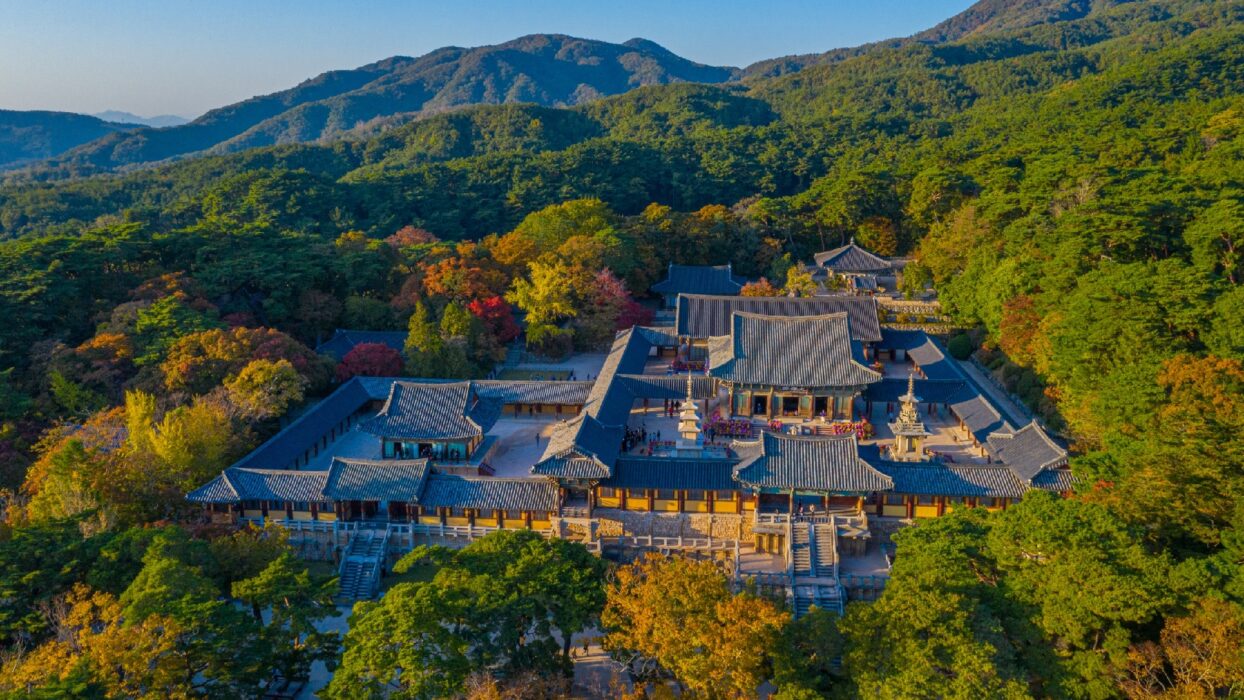
Gyeongju is home to several UNESCO World Heritage sites, including Bulguksa Temple and Seokguram Grotto, that hold special significance during Chuseok. Traditional performances, such as masked dances and folk music, are often held at these sites, providing visitors a glimpse into Korea’s rich cultural heritage.
Chuseok Food and Feasts
No Chuseok celebration is complete without indulging in traditional Korean foods. Special festive dishes include songpyeon (crescent-shaped rice cakes filled with sweet fillings), jeon (savory pancakes), japchae (stir-fried glass noodles), and various types of banchan (side dishes). Many local restaurants and families in Gyeongju prepare these delicacies, and some even offer cooking classes for tourists who want to learn the art of making Chuseok foods.
Visiting Ancestral Graves
One of the most important customs of Chuseok is visiting and maintaining ancestral graves. Beolcho (clearing weeds around graves) and seongmyo (a ritual of respect at graves) are integral parts of the festival. Gyeongju’s historical sites, such as the Royal Tombs, provide a serene and meaningful setting for these rituals.
Gyeongju Accommodation for Chuseok
Finding the right place to stay during Chuseok is crucial to fully enjoy the festival. Gyeongju offers a variety of accommodation options, from traditional hanok stays to modern hotels and guesthouses. Here are some top recommendations:
The K Hotel Gyeongju – Located in the heart of the city, this hotel offers comfort and convenience with excellent facilities.
GG Hotel – A popular choice for travelers, known for its modern amenities and close proximity to tourist attractions.
Lahan Select Gyeongju – A luxurious hotel offering stunning views and top-notch services.
Ragung Hotel – Experience a unique stay in a traditional Korean setting with all the modern comforts.
Transportation and Travel Tips
Getting to Gyeongju for Chuseok is fairly straightforward, with multiple transport options available:
By Train
Gyeongju is well-connected by KTX (Korea Train eXpress) and other express trains. The travel time from Seoul to Gyeongju is approximately 2.5 hours by KTX. It’s advisable to book tickets in advance, especially during the holiday season.
By Bus
Intercity buses are another viable option, with frequent services from major cities like Seoul, Busan, and Daegu. Though slower than the train, buses offer a more scenic route and are budget-friendly.
Local Transportation
Once in Gyeongju, public transportation options include buses, taxis, and bike rentals. Biking can be a delightful way to explore the city, especially during the cool autumn weather.
Experiencing Chuseok Like a Local
For an authentic Chuseok experience, consider staying with a local family or booking a hanok stay. Participating in family gatherings, rituals, and local festivities provides a deeper connection to Korean culture and traditions.
Many locals are welcoming and eager to share their customs with visitors, making it a memorable experience. Additionally, local tourism offices often have special programs for tourists, including folk performances, traditional games, and cultural workshops.
We, together with our partners, use cookies and similar technologies to collect data about you to understand how visitors interact with our platform, improve our services, and provide you with tailored content and ads. These ads may appear on this site, other websites, apps, or social media platforms based on your interactions with us and other platforms. Additionally, cookies allow you to interact with social media sites. You can change your preferences at any time. To learn more about how we and our partners use and share your information, and to manage your preferences, please review Agoda Privacy and Cookies Policy and Terms of Use.