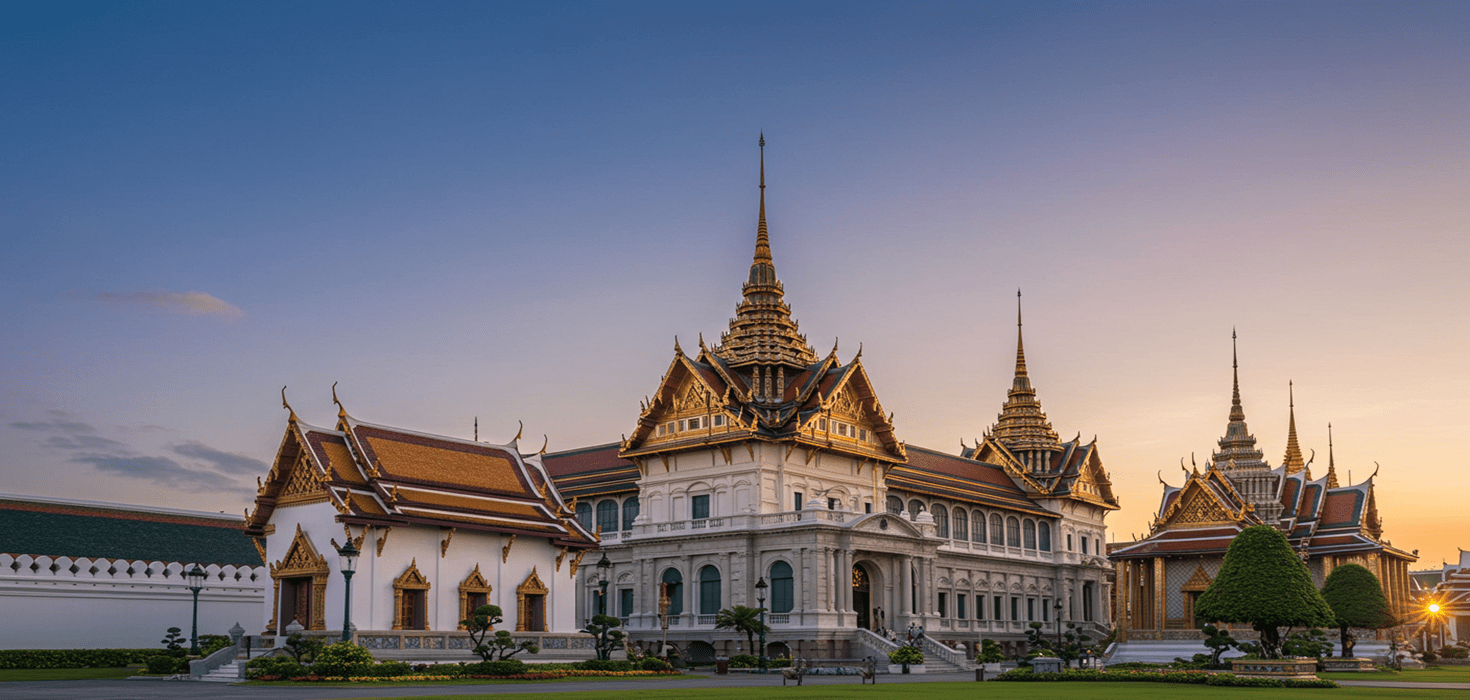
Welcome to Jeju Island, South Korea’s volcanic paradise known for its breathtaking landscapes, rich culture, and vibrant local life. Whether you’re an adventure seeker, a nature lover, or a history buff, Jeju offers something for everyone. Let’s dive into the ultimate guide to exploring this beautiful island.
Day-by-Day Itinerary
Day 1: Arrival and Explore Jeju City
Start your journey by exploring Jeju City. Visit the vibrant Dongmun Market for some local eats and unique souvenirs. Don’t miss the Jeju Folklore & Natural History Museum to get acquainted with the island’s history.
Day 2: Natural Wonders and Hiking Trails
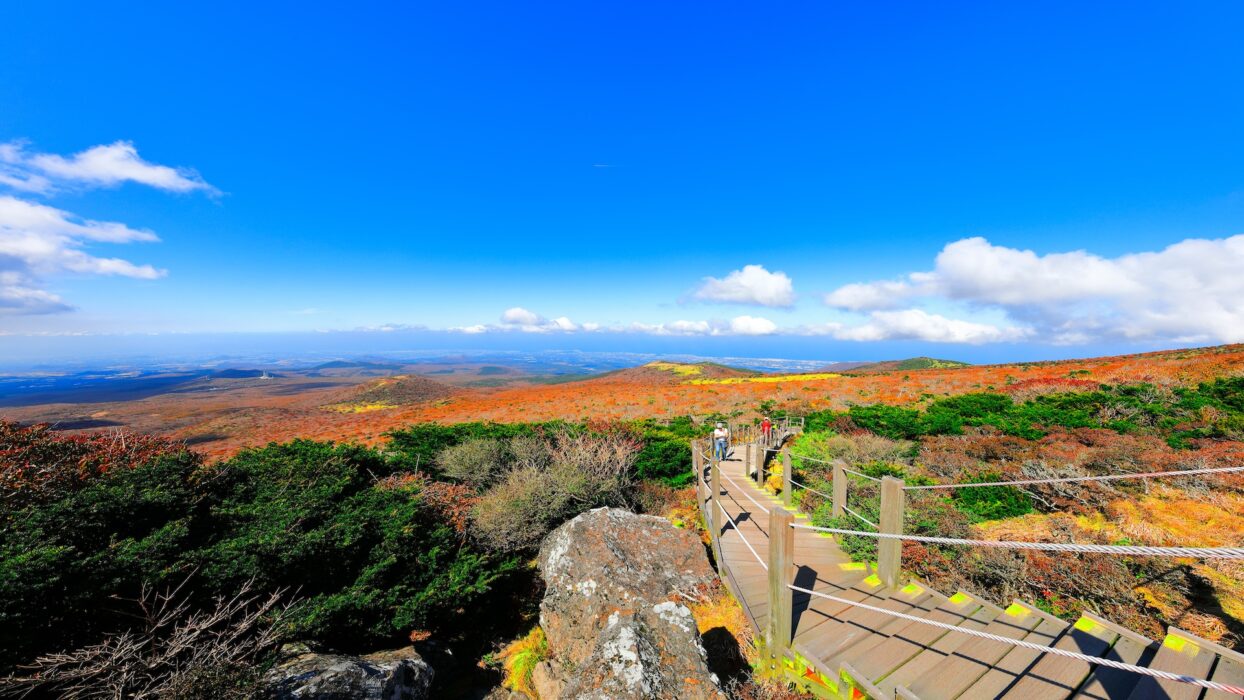
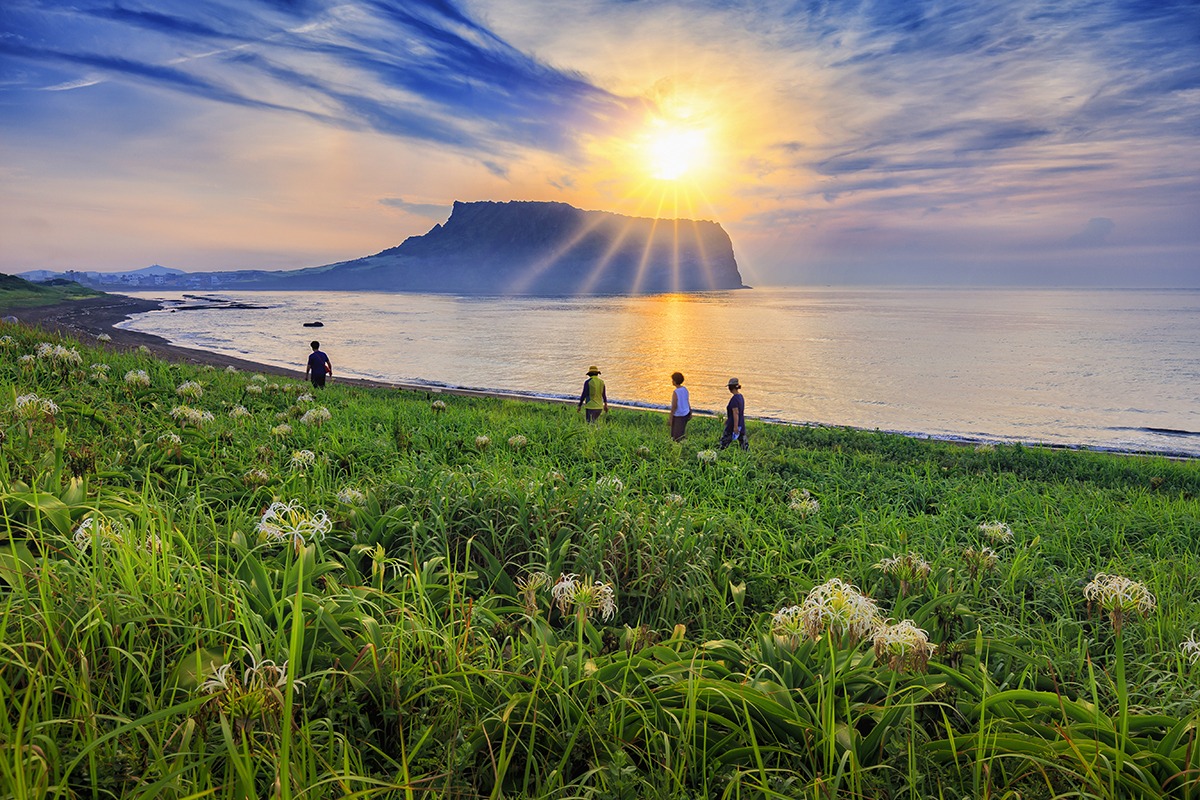
Begin your second day with a hike up Hallasan Mountain, South Korea’s highest peak. The scenic trails offer a fantastic view of the island. Post-hike, unwind at the picturesque Seongsan Ilchulbong (Sunrise Peak).
Day 3: Cultural and Historical Sites
Spend your third day visiting cultural sites like the Jeju Folk Village and Yakcheonsa Temple. Gain insights into Jeju’s traditional way of life and soak in the serene atmosphere of these sites.
Day 4: Beach Day
On your fourth day, relax at one of Jeju’s stunning beaches. Hyeopjae Beach is a favorite, known for its turquoise waters and fine white sand. It’s perfect for a day of sunbathing and swimming.
Day 5: Caves and Museums
Head to the Manjanggul Cave, one of the world’s finest lava tunnels. Next, explore the quirky Teddy Bear Museum or the immersive Osulloc Tea Museum.
Day 6: Island Hopping
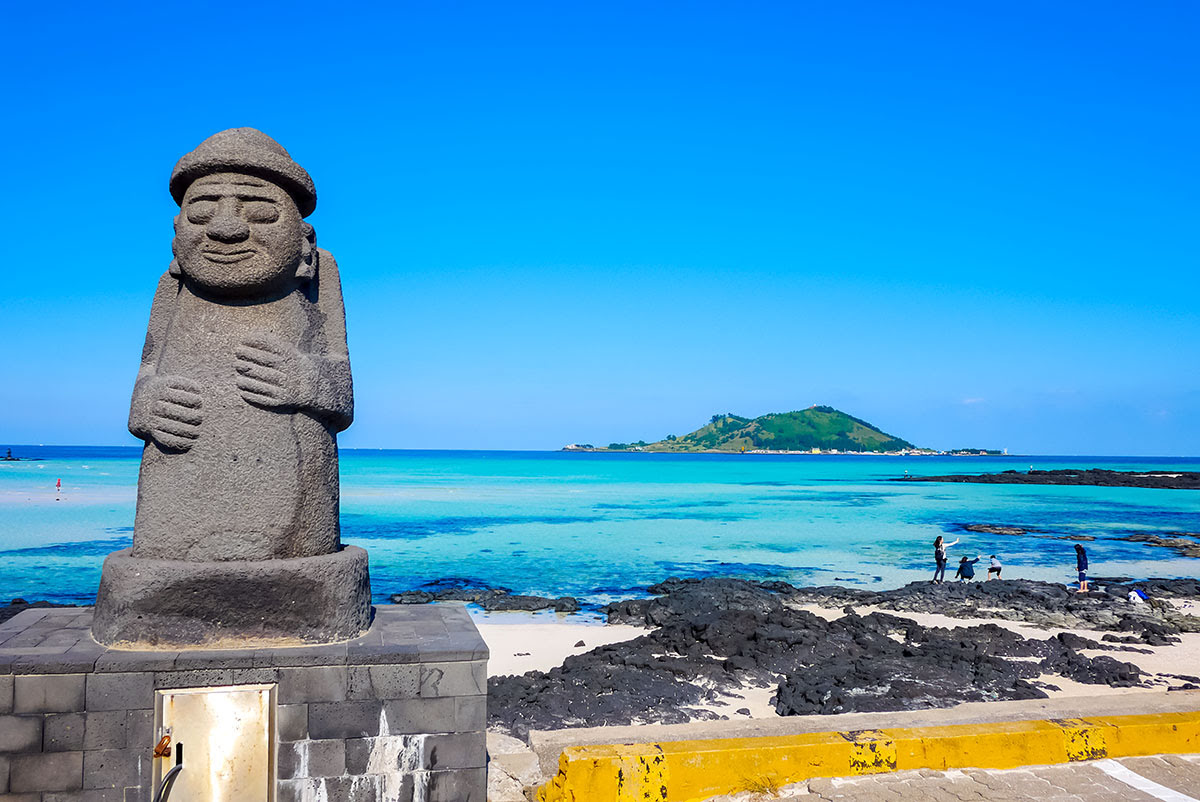
Take a short ferry ride to Udo Island, renowned for its beautiful coral beaches and serene landscapes. The island is perfect for cycling and offers a tranquil escape from the main island.
Day 7: Departure
On your final day, grab any last-minute souvenirs and enjoy a leisurely breakfast before heading to Jeju International Airport for your departure. Consider staying at a nearby hotel for convenience.
Culinary Deep Dive
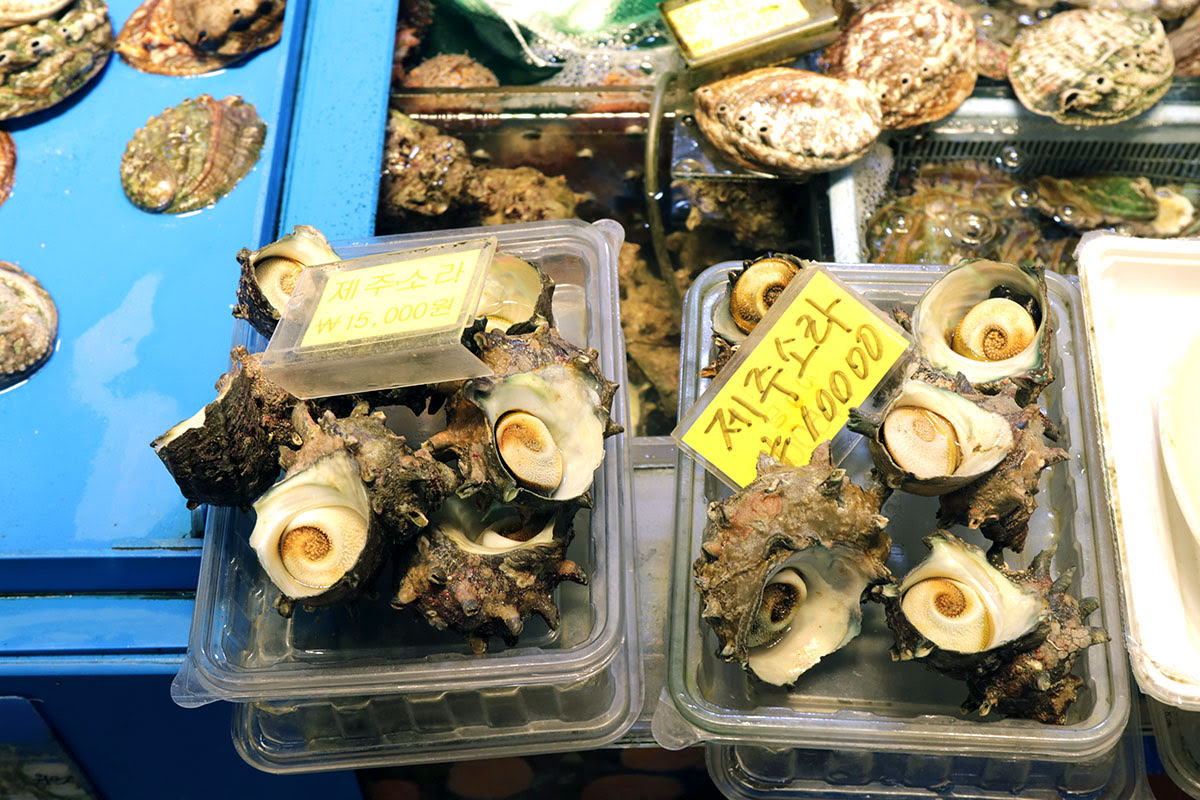
Jeju’s cuisine is a tantalizing exploration of flavors. From fresh seafood to unique dishes like heuk-dwaeji (black pork) and gamgyul (Jeju tangerines), the island offers a rich culinary experience. Don’t miss out on trying the local seafood hotpot, abalone porridge, and the distinctive taste of Jeju’s mandarins.
Festivals and Events Coverage
Jeju hosts numerous festivals throughout the year. The Jeju Fire Festival, held in early March, is a spectacular event where fields are set ablaze to welcome spring and to pray for a good harvest. Another notable event is the Jeju Olle Walking Festival in autumn, celebrating the natural beauty of the island.
Practical Information for Travelers
Transportation: Jeju has a reliable public transport system, including buses and taxis. Renting a car or scooter is also a convenient option.
Weather: The best times to visit are spring (March to May) and autumn (September to November) when the weather is mild and pleasant.
What to Pack: Comfortable walking shoes, sunscreen, and a good camera are essential. Pack light layers to adapt to changing weather conditions.
Sustainability and Conservation Focus
Jeju is committed to sustainability. Engage in eco-friendly activities like beach clean-ups and support local businesses that prioritize environmental responsibility.
Interactive Activities for Different Types of Travelers
Adventurers: Hike Hallasan, explore Manjanggul Cave, or zip-line at Eco Land Theme Park.
Families: Visit the Jeju Glass Castle, Eco Land Theme Park, and the various kid-friendly museums.
Couples: Enjoy romantic walks on Hyeopjae Beach and a quiet evening at the Spirited Garden.
Solo Travelers: Join group tours or explore the Jeju Olle Trail for serene solo adventures.
Shopping Guide
Jeju is a haven for shoppers. Dongmun Traditional Market offers everything from fresh produce to unique souvenirs. For high-end shopping, Jeju City features several malls and boutiques selling local and international brands.
Language and Communication
While many locals speak Korean, basic English is understood in popular tourist spots. Here are a few Korean phrases to help you along:
Annyeonghaseyo (Hello), Gamsahamnida (Thank you), Eolmayeyo? (How much?), Juseyo (Please).
Travel Tips
Consider purchasing a T-Money card for easy public transport access. Always check the weather forecast as it can be quite unpredictable, and plan indoor activities as backups.
With its beautiful landscapes, rich history, delicious food, and friendly locals, Jeju Island is a must-visit destination for any traveler. Whether you’re here for adventure, relaxation, or cultural immersion, Jeju promises an unforgettable experience.