Discover the Vibrant Charms and Culinary Delights of Gwangjang Market in Seoul
Welcome to Gwangjang Market, one of Seoul’s most vibrant and historic locations. If you’re looking to immerse yourself in authentic Korean culture, taste local delicacies, and find unique vintage clothing, Gwangjang Market is the place to be. Built in 1905, it stands as one of Korea’s oldest and largest traditional markets, drawing both locals and tourists eager to experience its colorful, bustling atmosphere.
Culinary Delights: A Food Lover’s Paradise
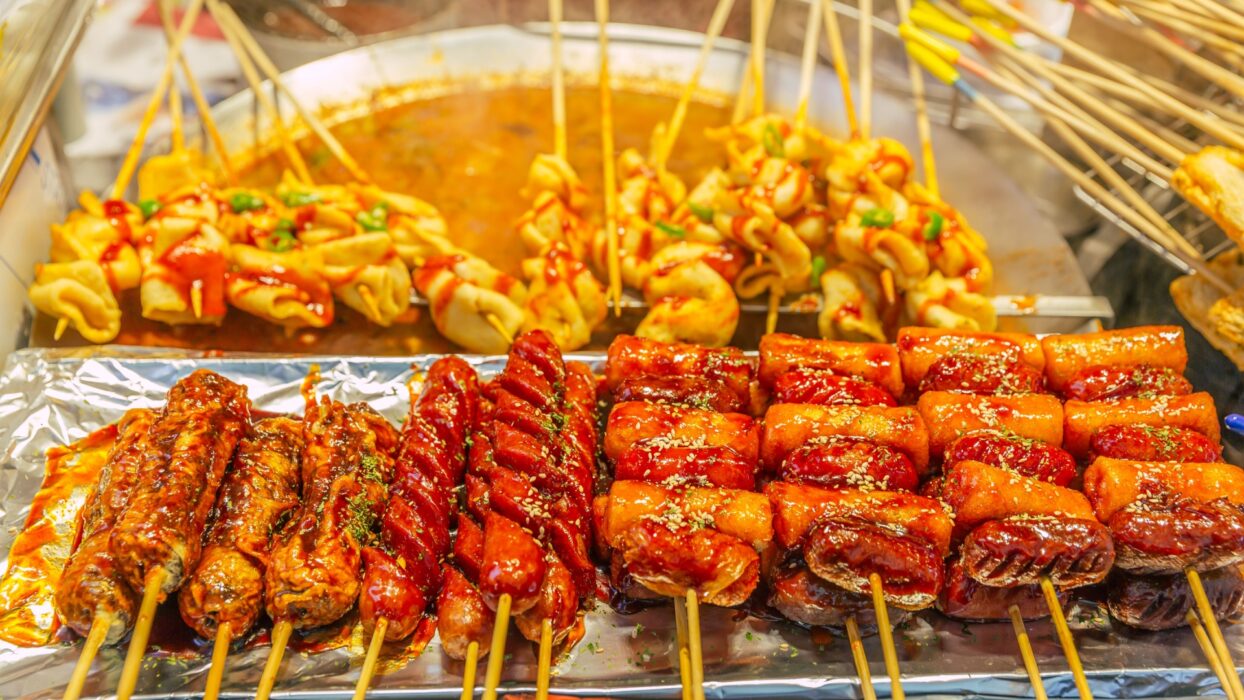
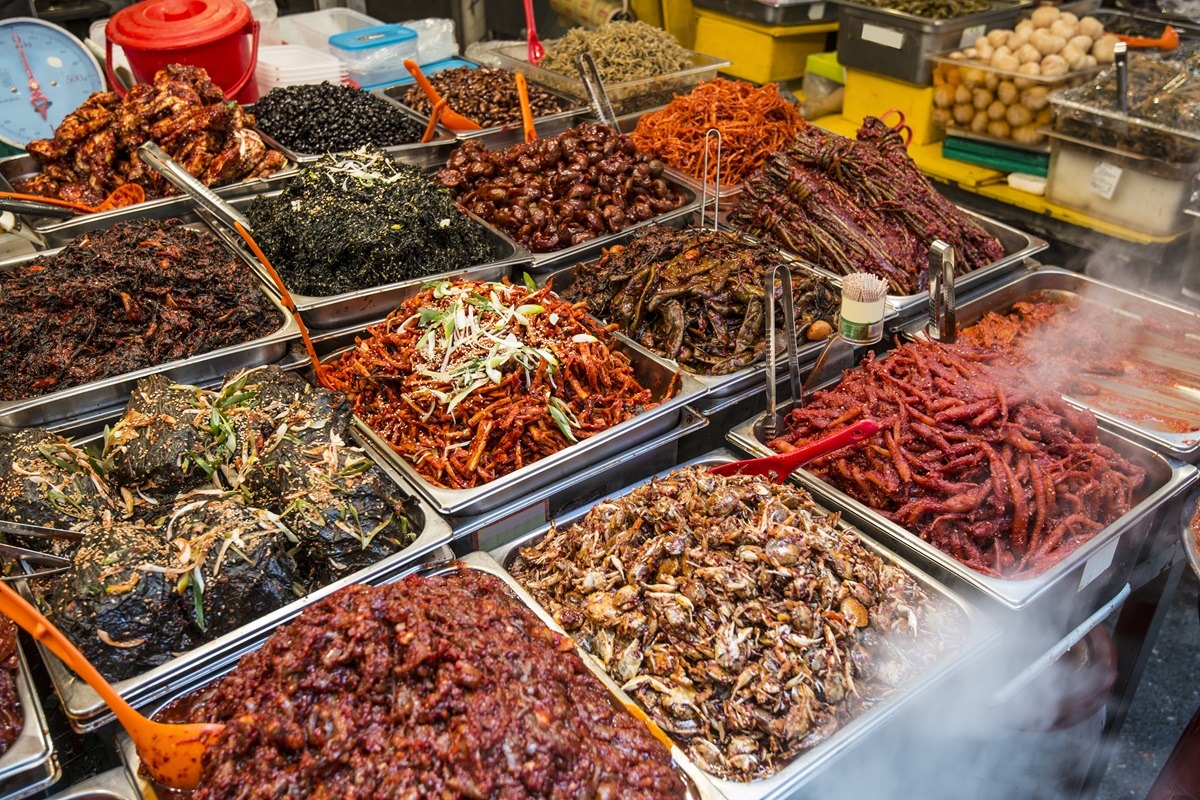
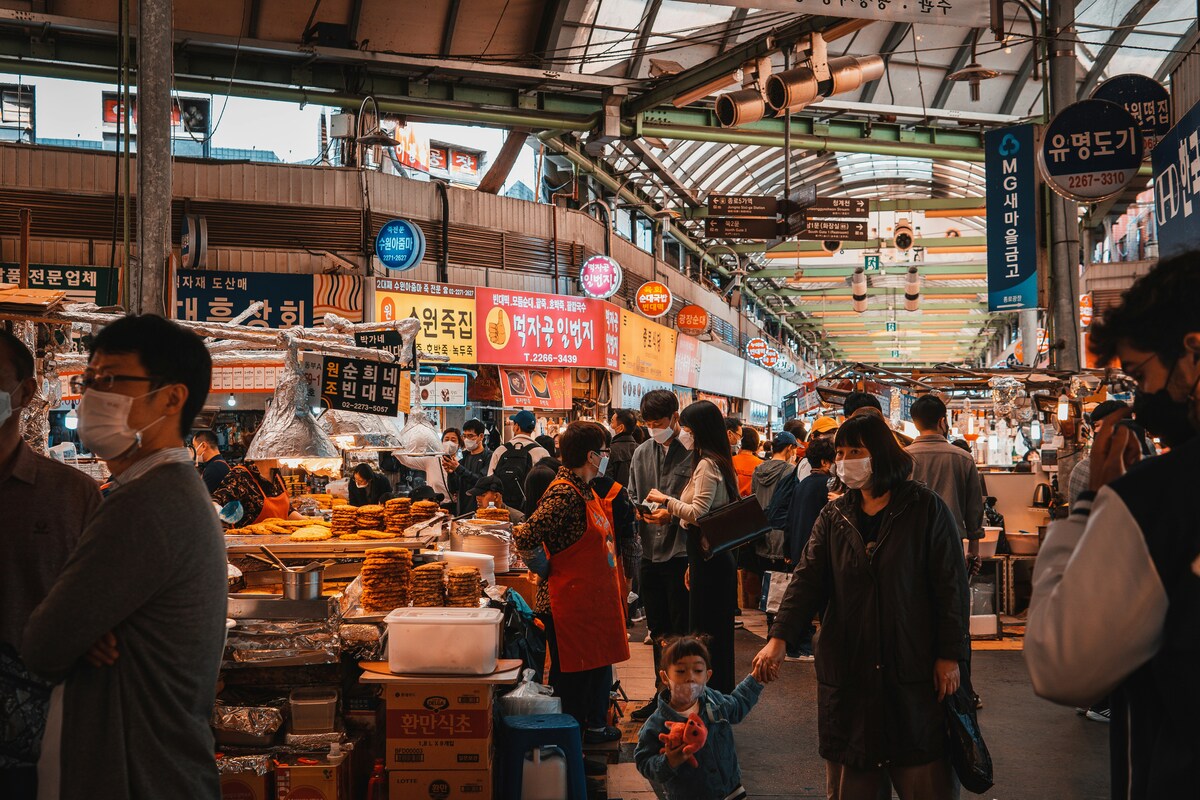
No visit to Gwangjang Market is complete without indulging in its incredible array of street food. The market is particularly famous for delights like bindaetteok (mungbean pancakes) and kalguksu (knife-cut noodles).
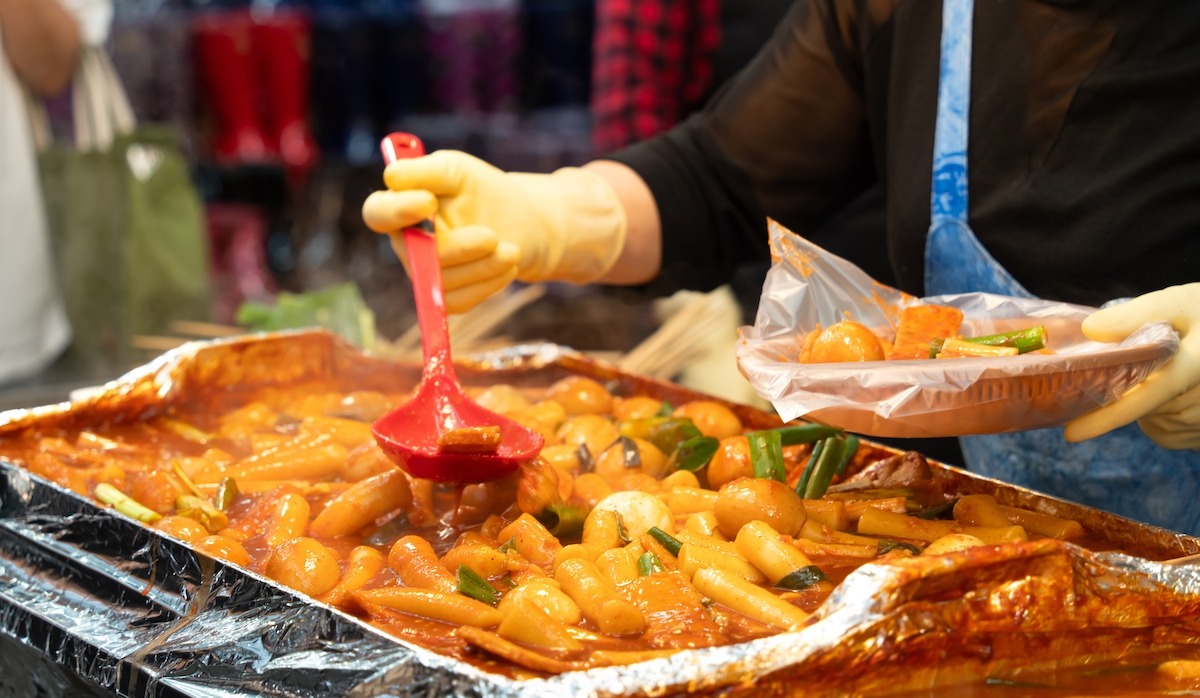
For a truly authentic experience, try the gimbap (Korean sushi rolls) and tteokbokki (spicy rice cakes), which are popular among both locals and tourists.
Vintage Clothing and Unique Finds
Beyond food, Gwangjang Market is also a treasure trove for fashion enthusiasts. The market’s vintage clothing arcade attracts shoppers looking for rare and stylish pieces. From traditional hanbok (Korean traditional dress) to trendy vintage outfits, you can find a diverse range of clothing that suits all tastes and budgets. Bargaining is expected, so don’t hesitate to haggle for the best prices.
The Atmosphere and Sights
The vibrant atmosphere of Gwangjang Market is an experience in itself. The market is bustling with energy, filled with the sounds of vendors calling out to customers, the sizzle of food being prepared, and the laughter and chatter of locals and tourists alike. The sights, smells, and sounds create an immersive experience that captures the essence of Korean market culture.
As you wander through the market, don’t miss the opportunity to explore the textile and bedding section, where you can find high-quality silk products and traditional Korean bedding known as yo. These make for great souvenirs or gifts.
Personal Traveler Stories
Travelers from around the world have shared their memorable experiences at Gwangjang Market. Jen, a food blogger from the United States, recalls her first encounter with the market:
“The energy was infectious. From the moment I stepped into Gwangjang Market, I was captivated by the sheer variety of food and the warmth of the vendors. I tried bindaetteok for the first time, and it was love at first bite! This market truly feels like the heart of Seoul.”
Local Voices
We spoke to several vendors and locals who frequent Gwangjang Market. Mr. Kim, who has been selling silk products for over 30 years, shared his insights:
“Gwangjang Market is not just a place to buy goods; it’s a community. Many of the vendors here have been part of this market for generations. We take pride in what we offer, whether it’s the finest silk or the tastiest bindaetteok. For us, every customer is like family.”
Historical Context and Folklore
The origins of Gwangjang Market are steeped in history. Established in 1905, it was one of the first markets to be legally permitted to trade on a fixed site. The market’s name, Gwangjang, translates to “To gather from afar and keep all together,” reflecting its vast array of offerings and its expansive structure. Historically, it was known for selling everyday necessities to residents of Seoul, and today, it remains a vital part of the city’s commercial and cultural fabric.
According to local folklore, some corners of the market are believed to be visited by friendly spirits, thought to bring good fortune to the vendors. These stories are part of the deeply rooted cultural tapestry that makes Gwangjang Market a fascinating destination.
Culinary Deep Dive: Korean Cuisine at Its Finest
Gwangjang Market is a paradise for food enthusiasts. Let’s dive deeper into some of the most iconic dishes you must try:
Bindaetteok (Mungbean Pancakes): Ground mung beans mixed with vegetables and fried to perfection. A crunchy, savory delight.
Mayak Gimbap (Mini Seaweed Rolls): These bite-sized gimbap rolls are addictive, with a simple filling of rice, carrots, and pickled radish, often served with a mustard dip.
Yukhoe (Beef Tartare): A dish of raw beef seasoned with soy sauce, sesame oil, and served with an egg yolk. It’s a delicacy that adventurous eaters must try.
Tteokbokki (Spicy Rice Cakes): Soft rice cakes cooked in a spicy, sweet gochujang sauce. A staple of Korean street food.
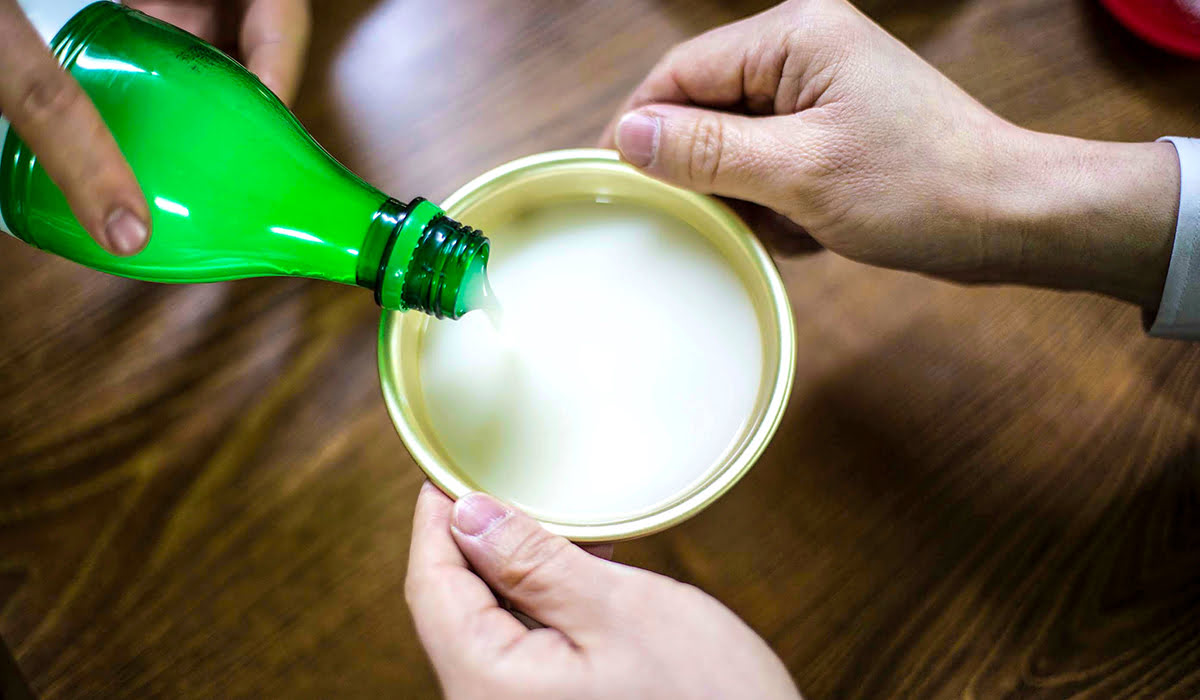
Makgeolli (Korean Rice Wine): Pair your food with this traditional Korean alcoholic beverage. It’s slightly sweet and often enjoyed in a communal setting.
Every bite in Gwangjang Market tells a story, from the carefully selected ingredients to the traditional methods of preparation passed down through generations.
Practical Information for Travelers
When planning your visit to Gwangjang Market, here are some practical tips to ensure a smooth and enjoyable experience:
Getting There: The market is easily accessible via public transport. The nearest subway stations are Jongno 5-ga Station (Line 1) and Euljiro 4-ga Station (Lines 2 & 5).
Opening Hours: The market typically opens around 9:00 AM and closes around 10:30 PM.
What to Bring: Comfortable shoes, as you’ll be walking a lot, and some cash, although many vendors now accept credit cards.
Language Tips: Basic Korean phrases like “Annyeonghaseyo” (Hello) and “Gamsahamnida” (Thank you) can go a long way in making your interactions more enjoyable.
Safety: Gwangjang Market is generally safe, but as with any crowded place, keep an eye on your belongings.
Whether you’re a first-time visitor or a seasoned traveler, Gwangjang Market offers a unique glimpse into Seoul’s vibrant culture and culinary heritage. Happy exploring!
We, together with our partners, use cookies and similar technologies to collect data about you to understand how visitors interact with our platform, improve our services, and provide you with tailored content and ads. These ads may appear on this site, other websites, apps, or social media platforms based on your interactions with us and other platforms. Additionally, cookies allow you to interact with social media sites. You can change your preferences at any time. To learn more about how we and our partners use and share your information, and to manage your preferences, please review Agoda Privacy and Cookies Policy and Terms of Use.