Nestled in the heart of Seoul, Bukchon Hanok Village is a picturesque representation of the way things used to be, a bridge connecting the modern bustling city with Korea’s rich cultural past. Imagine walking through narrow alleys lined with traditional Korean houses (hanoks), sipping on an intricately brewed tea, and soaking in panoramic views of tiled roofs against the backdrop of Seoul’s skyline. This guide will take you on an unforgettable journey through Bukchon Hanok Village, providing practical information, cultural insights, and travel tips.
A Glimpse into History: The Origins of Bukchon Hanok Village
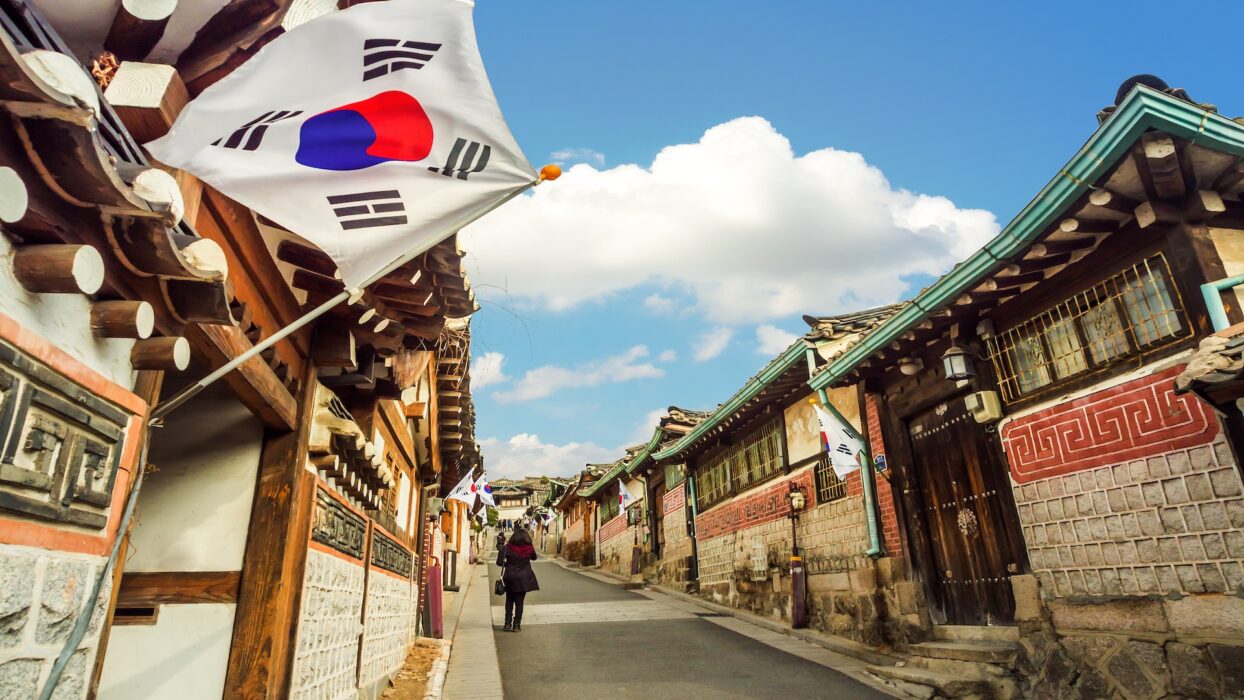
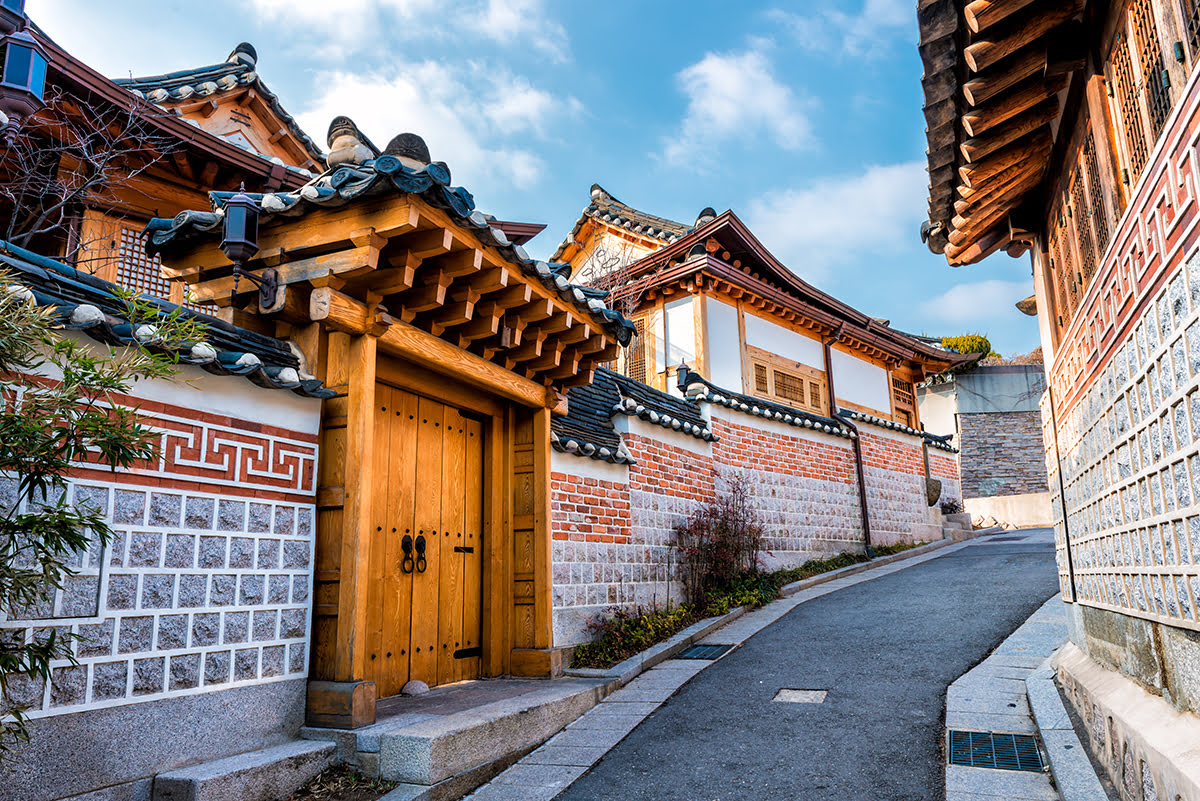
Bukchon Hanok Village dates back to the Joseon Dynasty, serving as a residential area for high-ranking officials and nobility. The word “Bukchon” translates to “Northern Village,” denoting its location north of two of Seoul’s most significant landmarks: Gyeongbokgung Palace and Changdeokgung Palace. The area is renowned for its well-preserved hanoks that showcase traditional Korean architecture with features like ondol (underfloor heating) and giwa (tiled roofs).
Traditional Architecture
Walking through Bukchon, you’ll notice the unique charm of these hanoks, which combine wooden beams and clay walls with beautiful rooftops. Many of these hanoks are still homes to residents, while others have been converted into guesthouses, cafes, galleries, and cultural centers. Each building tells a story, standing as a testament to Korea’s architectural ingenuity and cultural heritage.
Day-by-Day Itinerary for Bukchon Hanok Village
To make the most of your visit to Bukchon Hanok Village, consider this detailed itinerary that covers key spots and hidden gems over five days.
Day 1: Arrival & Initial Exploration
- Morning: Upon arrival in Seoul, settle into your accommodation. Choose from a range of lodgings available in Seoul on Agoda.
- Afternoon: Head to Bukchon Hanok Village for an initial walk through its scenic lanes. Explore Gahoe-dong, one of the village’s most famous alleys, known for its aesthetic appeal and traditional houses.
- Evening: Enjoy dinner at one of the traditional restaurants in the area, experiencing Korean cuisine like bibimbap and bulgogi.
Day 2: Cultural Immersion
- Morning: Start your day with a visit to the Golden Seoul Hotel for breakfast followed by a hanok stay experience. Various hanoks offer cultural immersion activities, such as tea ceremonies, calligraphy classes, and traditional music performances.
- Afternoon: Take a guided walking tour to learn about the village’s history and architecture. Notable stops include the Bukchon Traditional Culture Center and the Bukchon Observatory for panoramic views.
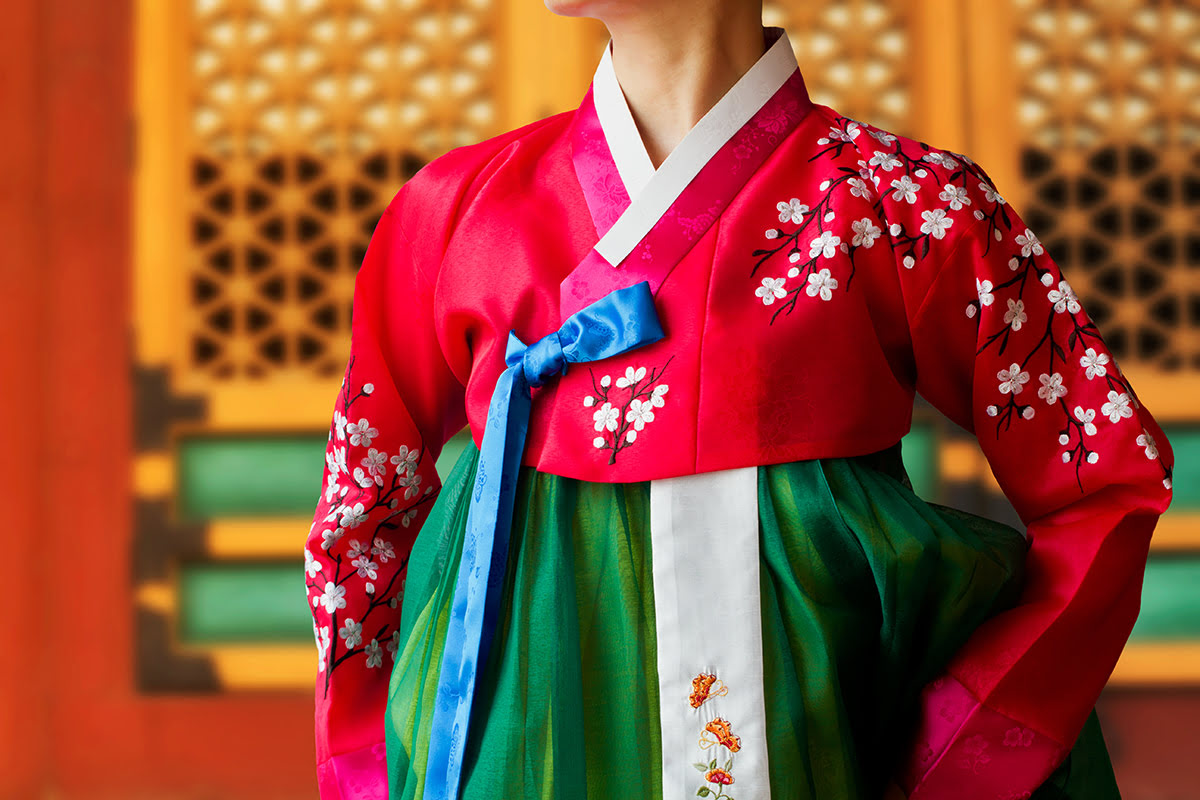
- Evening: Dress up in a hanbok (traditional Korean attire) and stroll around the village. Renting a hanbok adds a magical touch to your visit, and you can find many rental shops in the vicinity.
Day 3: Delve into History
- Morning: Visit the nearby Gyeongbokgung Palace and Changdeokgung Palace, both offering a glimpse into Korea’s royal history. These palaces are within walking distance from Bukchon Hanok Village.
- Afternoon: Explore the Bukchon Hanok Living Museum where you’ll experience traditional Korean household artifacts and learn more about hanok architecture.
- Evening: Enjoy a traditional Korean meal at one of the hanok-style restaurants, savoring dishes like samgyetang (ginseng chicken soup) or jeon (savory pancakes) in a setting that takes you back in time.
Day 4: Art and Craft Day
- Morning: Begin your day with a visit to the various art galleries and craft shops in Bukchon. The area is known for its artisan workshops where you can witness traditional Korean crafts like pottery and embroidery.
- Afternoon: Participate in a DIY workshop to create your own Korean artwork or crafts. These workshops are a fantastic way to engage with Korean culture first-hand and take home a unique souvenir.
- Evening: Treat yourself to a relaxing evening at a traditional tea house where you can savor Korean teas and desserts while enjoying the serene atmosphere.
Day 5: Nature and Relaxation
- Morning: Take a leisurely stroll through Samcheong-dong, an area adjacent to Bukchon Hanok Village known for its charming cafes, boutiques, and art galleries.
- Afternoon: Visit the nearby Insadong area to shop for traditional souvenirs and enjoy street food. Insadong is famous for its antique shops and vibrant culture, making it a perfect place to unwind.
- Evening: Unwind with a visit to Cheonggyecheon Stream. This urban renewal project offers a serene escape amidst the city’s hustle and bustle, providing a lovely spot for a peaceful evening walk.
Practical Information for Visitors
When planning your visit to Bukchon Hanok Village, keep these practical tips in mind:
- Best Time to Visit: Bukchon Hanok Village is open year-round, but the best times to visit are during spring (April to June) and autumn (September to November) for mild weather and beautiful scenery.
- Opening Hours: Most shops and attractions in Bukchon Hanok Village open around 10 AM and close by 5 PM. Consider visiting on weekdays to avoid the weekend crowd.
- Getting There: Bukchon Hanok Village is easily accessible by public transportation. Take the subway to Anguk Station (Line 3) and walk for about 10 minutes following the signs to Bukchon Hanok Village.
- Language Tips: While English is spoken in most tourist areas, learning a few Korean phrases such as “hello” (안녕하세요 annyeong haseyo) and “thank you” (감사합니다 gamsahamnida) will enhance your visit.
Cultural Etiquette in Bukchon Hanok Village
Respecting local customs and traditions is crucial when visiting a cultural heritage site like Bukchon Hanok Village.
- Quiet Zones: Since Bukchon Hanok Village is still a residential area, keep noise to a minimum to respect the privacy and tranquility of the residents.
- Photography: While photography is allowed, refrain from taking close-up shots of residents or entering private properties without permission.
- Dress Appropriately: When visiting temples and cultural sites, dress modestly to show respect for local customs and traditions.
- Supporting Locals: Purchase goods from local artisans and shops to support the community and preserve traditional crafts.