The sun, the sand and the sea is often one of the top holiday destinations for people. But do you know why the ocean is important?
Well, for one thing, the ocean makes up a whopping 71% of our beloved planet (which is where it gets the name blue planet from). And this helps to regulate our climate and weather patterns while also supplying us with more than half the oxygen we breathe. It is also a large carbon sink, and crucial to our fight against climate change. Plus, there’s also the fact that it provides food and livelihoods for billions of people worldwide and is home to an amazing and wondrous array of species!
Sadly, our ocean is in crisis! Ocean habitats gone, livelihoods and food security threatened, and harmed by pollution and climate change. We need to take action now to ensure that our planet doesn’t cease to exist within this generation, and here are 3 steps you can take while on your responsible travel journey!
1. EAT RESPONSIBLY to save the ocean
We all know food is the key to life, but did you know that the way you eat also affects the ocean? Our world’s oceans, seas and coastal areas are the planet’s largest ecosystems and a vital protein source for millions of people, but the delicate nature of the ocean ecosystem means that the scales can be tipped with one wrong move.
Current practices in fisheries have led to 90% of global fish stocks being either over-exploited or fished to capacity. In aquaculture, problems include excessive chemical and antibiotic use, as well as poor animal husbandry and waste management practices. These issues have led to poor and rapidly deteriorating conditions in surrounding marine ecosystems and the emergence of global food safety concerns.
Which is why, it remains of utmost importance to protect our ocean and our first tip to do so is by choosing responsible seafood options! This means only eating seafood that has been harvested or captured in a way that ensures the long-term health and stability of marine species and ecosystems.
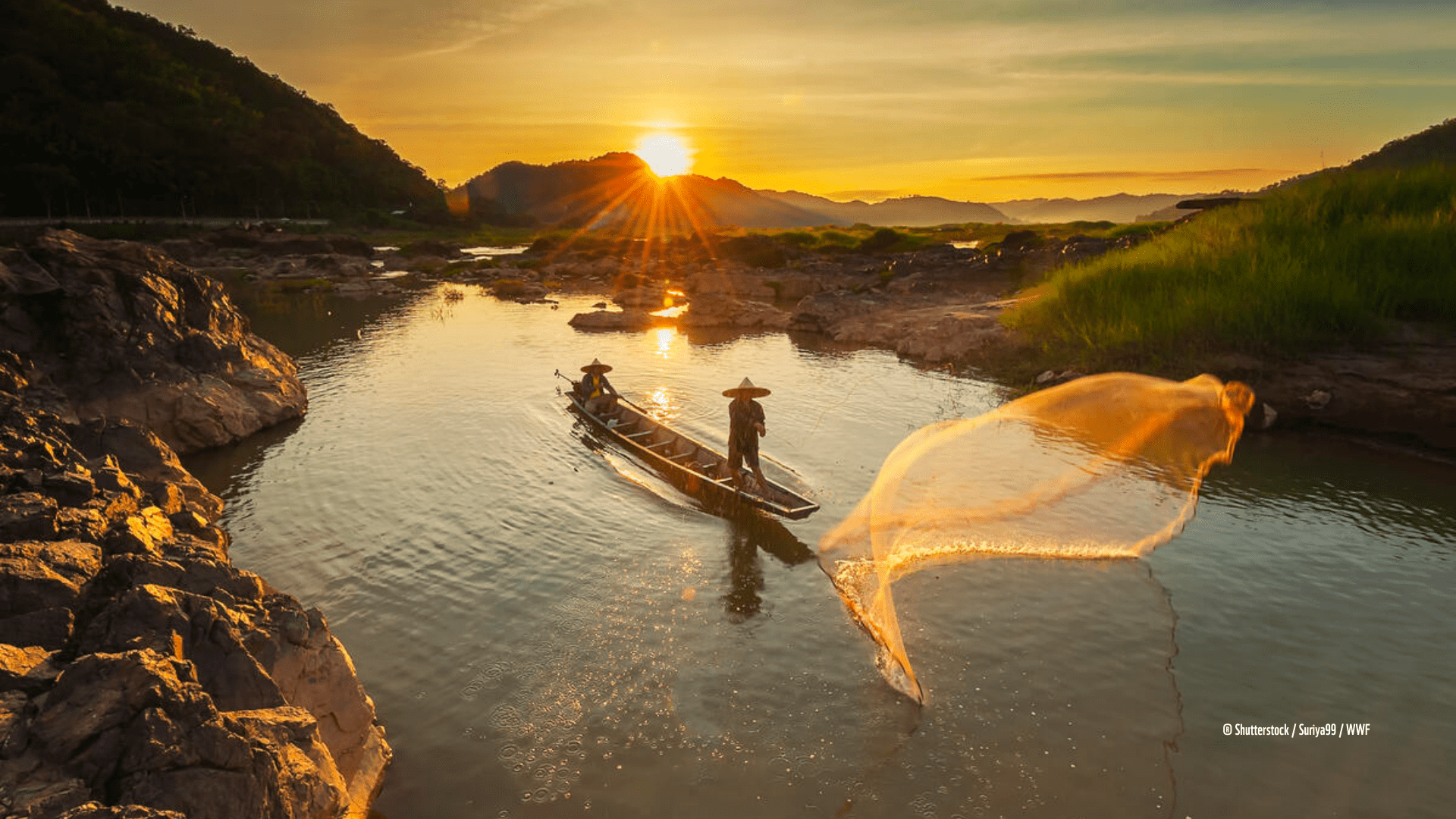
This often involves responsible fishing practices where fishermen conduct thorough research to protect the habitats, prevent overfishing, and use methods to ensure no other animals are harmed and less to no waste is generated.
Look for the Marine Stewardship Council (MSC) and Aquaculture Stewardship Council (ASC) labels. Their blue and green fish logos on your seafood ensure your fish can be traced back to sustainably-managed fisheries and farms.
By making this small change, we can ensure there’ll be seafood for the generations to come!
2. SHOP RESPONSIBLY to protect the ocean
When you buy products, do you ever stop to think if it affects ocean health and marine life? But one of the biggest harms caused to our ocean and marine life is harmful ingredients hidden inside our daily products. Here’s a short list of some common items!
Item #1: Sunscreen
One responsible travel option is to opt for reef-safe sunscreen when you go into the ocean because non reef-safe sunscreens contain chemicals that are super toxic to coral reefs.
Why is it so important to save our corals you may ask? The reason is that despite occupying less than 0.1% of the ocean floor, coral reefs are home to a quarter of all marine life, hosting even more species than rainforests! Plus, they protect coastlines by reducing the impact of storms and waves, which can cause destruction and land erosion. They also provide food and livelihoods to many millions of people.
So the next time you order sunscreen, remember to look for reef-safe options. Exclude chemical UV-filters (specifically oxybenzone and octinoxate), and look for physical sunscreens that use zinc oxide and titanium dioxide instead. Or, simply seek shade and wear UV protective clothing.
Item #2: Skip single-use plastics
When going on trips, it may get tempting to consume single-use plastics like plastic water bottles, plastic straws, and plastic bags thanks to their convenience, but they can cause irreparable damage to the ocean. Because they cannot be broken down, plastic waste often injures and kills both marine and land animals, while also unleashing toxic chemicals into soil and groundwater. Besides causing harm and danger to our oceans, it also clogs up rivers and creates unsightly trash.
Taking steps to reduce use of single-plastics like switching to eco-friendly items such as reusable water bottles, straws and bags will help to prevent such problems.
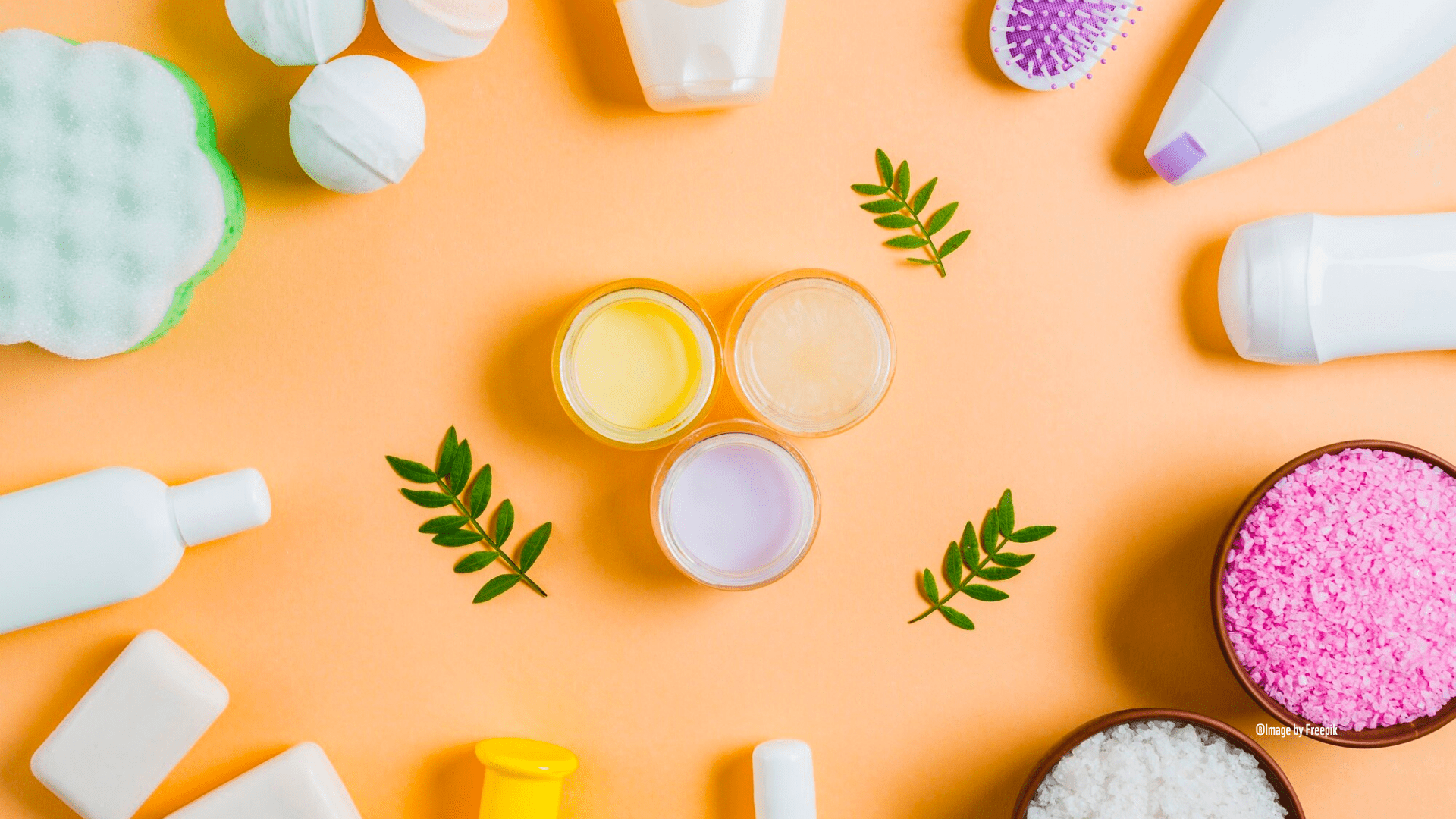
Besides single-use plastics, be sure to watch out for microplastics as well. Microplastics are extremely small pieces of plastic debris while microbeads are a type of microplastic that is commonly added as exfoliants to everyday health and beauty products such as body wash, toothpaste, cleansers and scrubs! These plastics are super tiny and often end up in the oceans, which then causes it to become a threat to our marine life. So, make sure to pay attention to the ingredients of the products you use and avoid single-use plastics, and anything that has microbeads and microplastics!
Pro-Tip!: Products that have polythelene or polypropylene on their labels usually contain microbeads.
Item #3: Exotic items
One of the most essential parts of travelling is shopping for souvenirs (besides the memories and the pictures of course). But be careful when making any purchases, and watch out for exotic products made out of species such as tortoiseshell or corals. These are all in danger of extinction, and we don’t want to be the straw that breaks the camel’s back! Remember to also avoid cosmetics that may contain shark squalene, souvenir conch shells, nautiluses and other animals. Also, do avoid any accessory made out of tortoiseshells that contain traces of teeth and fins. Responsible travel choices including your choice of souvenir are essential to prevent illegal wildlife trade.
Pro-tip!: When on the beach, don’t bring anything home because you could potentially destroy an entire ecosystem!
3. ACT RESPONSIBLY to help the ocean
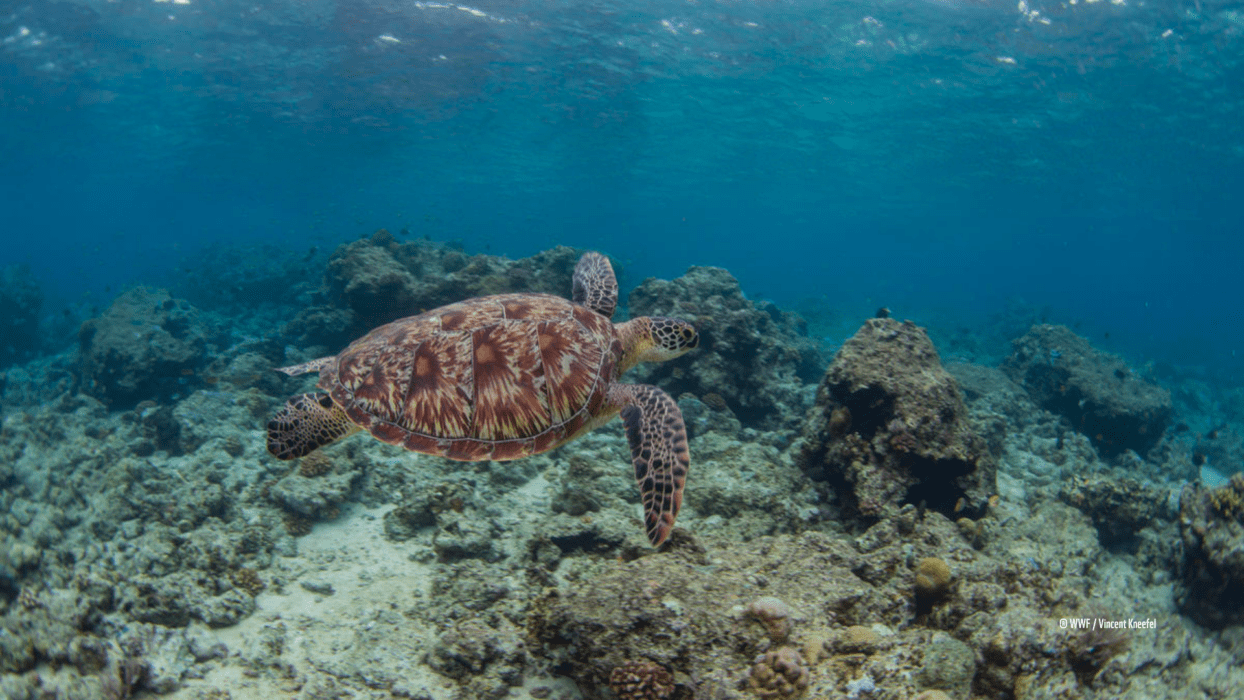
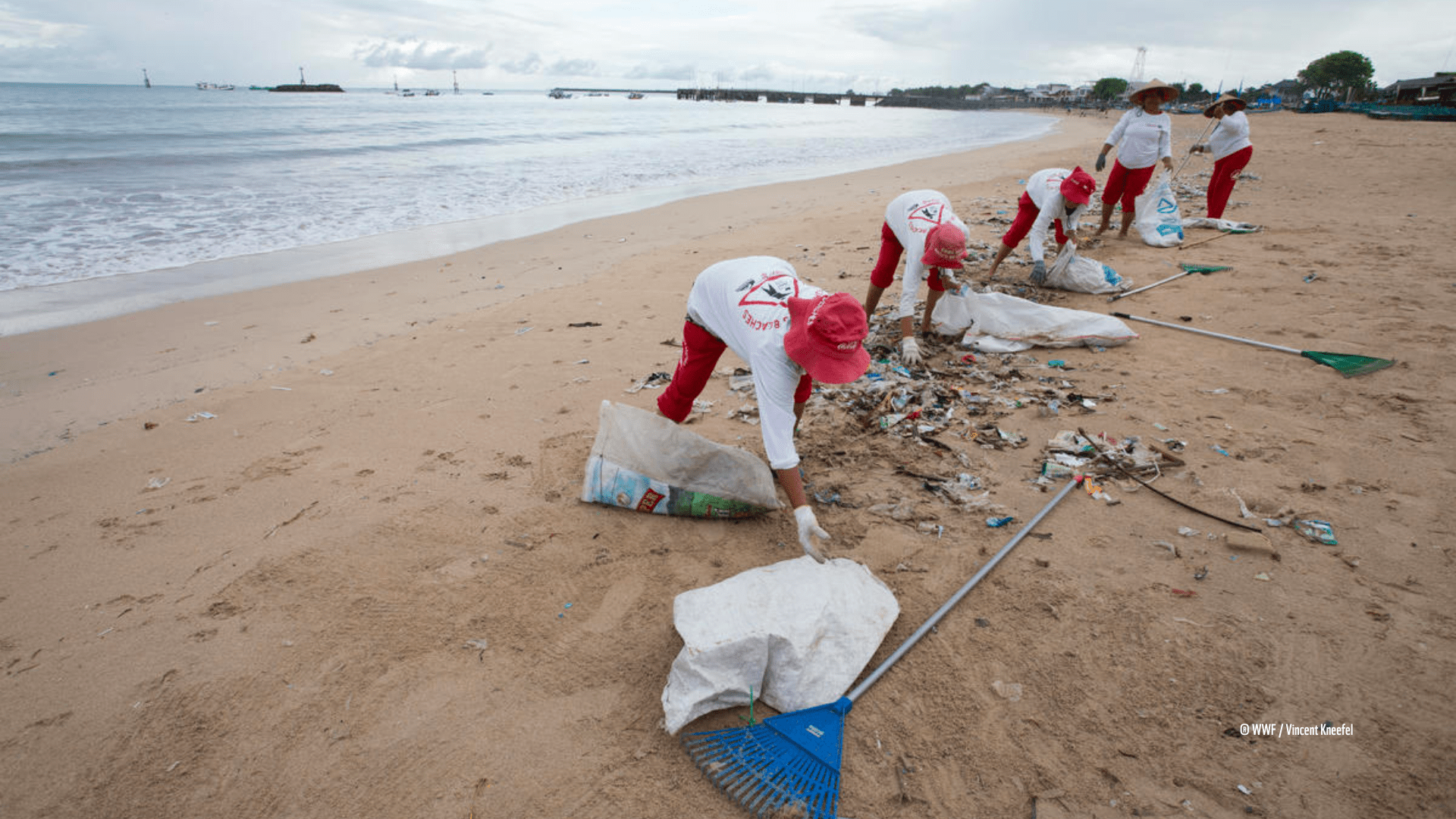
Not a marine biologist? Don’t worry! You still have a role to play in protecting our oceans. A simple way to start would be to volunteer for beach clean-ups, but if you have a more specific skill such as diving, you could also volunteer to help coral restoration or monitoring efforts. Some organizations also offer opportunities such as turtle patrols which will allow you to take an active role in wildlife conservation efforts around the world.
Did you know?: Agoda’s Eco Deals Program supports the World Wide Fund for Nature (WWF)’s conservation projects focusing on protecting our marine life in Singapore and the Philippines. To support, you can simply book a hotel with an Eco Deals badge, and Agoda will donate $1 to aid WWF’s conservation projects. Plus, you’ll enjoy discounts of up to 15%!
Singapore – Strengthening Marine Conservation in the Southern Islands
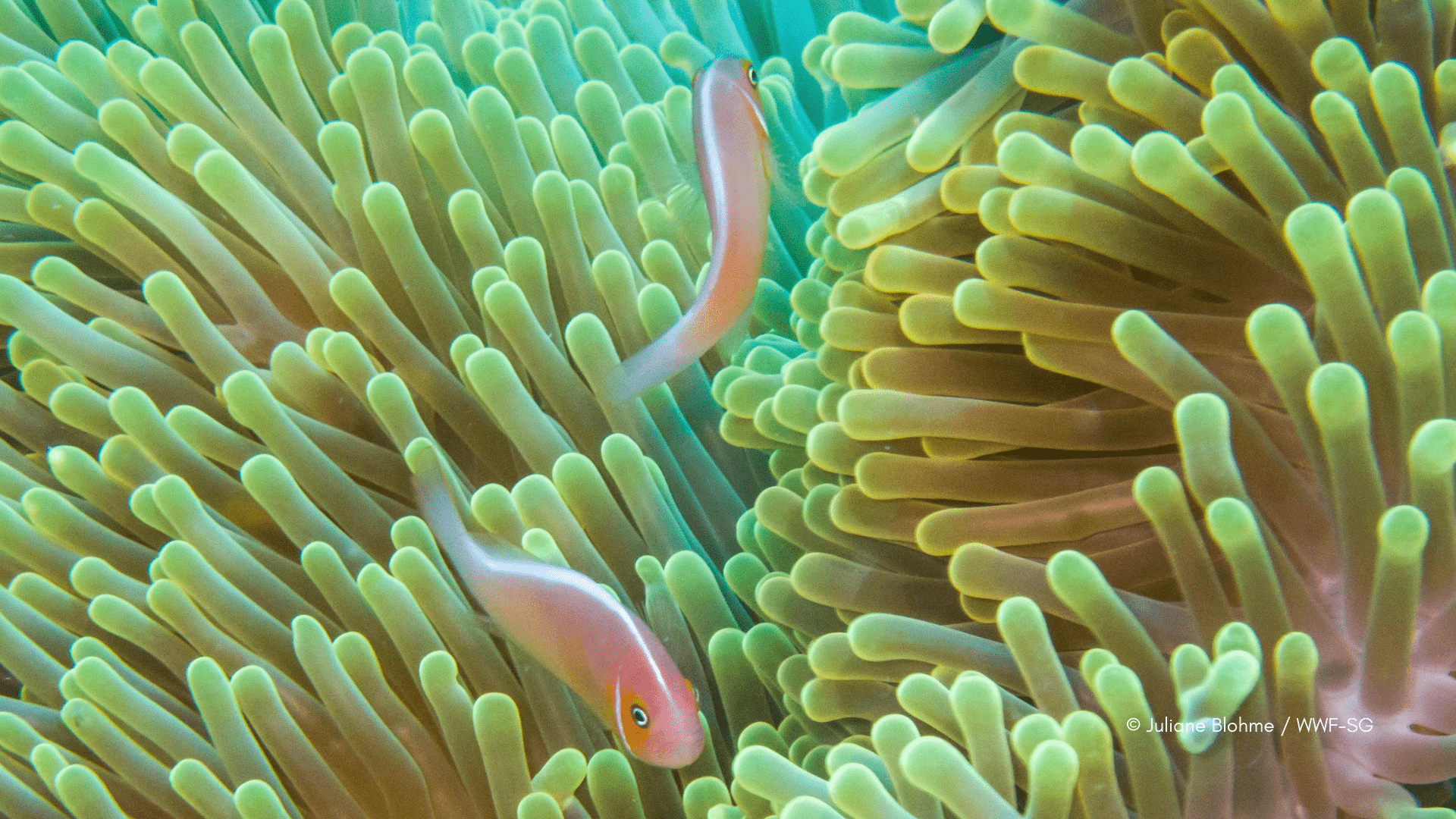
Singapore’s Southern Islands are home to diverse coral reefs and a thriving marine life. In collaboration with National University of Singapore (NUS), this project supports the deployment of underwater video systems in 5 sites and the analysis of underwater footage to plug important data gaps on populations of local marine creatures. Data collected will be published and help guide local conservation work to ensure these species are well protected.
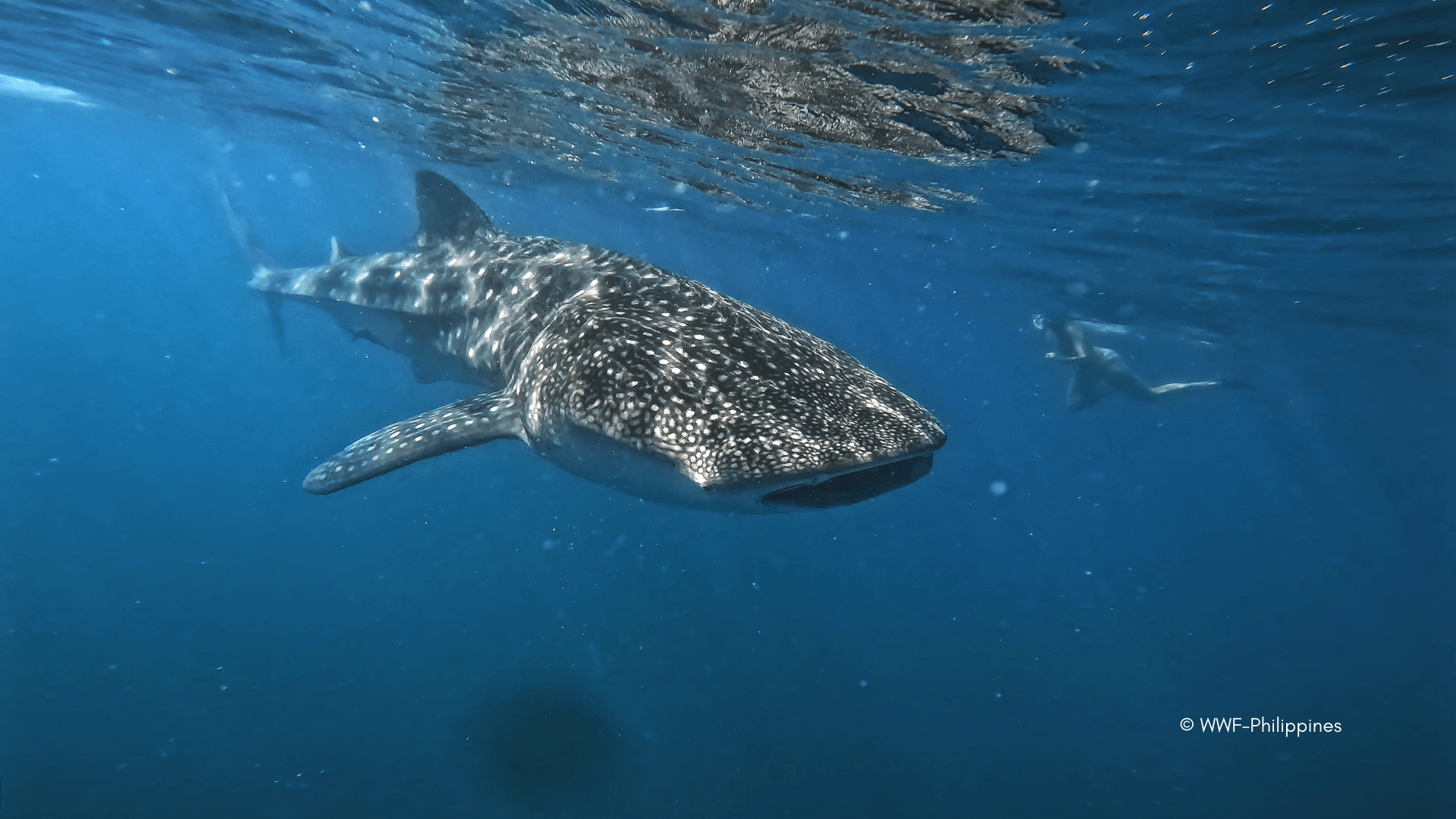
Philippines – Protecting Whale Sharks in Donsol
The municipality of Donsol hosts one of the largest whale shark aggregations worldwide. Locally known as “butanding”, whale sharks have a key role in the health and balance of our marine ecosystem. The project supports monitoring whale shark movement and migration patterns using their unique spot patterns. The capacities of Butanding Interaction Officers (BIOs) and boat operators will be strengthened to further enhance their operational capabilities. Data collected from the monitoring will help inform conservation strategies to protect this endangered species better.
And that wraps up our 3 simple tips to protect our oceans. Remember to stay responsible and enjoy your guilt-free holidays!