Welcome to Bali: A Treasure Trove of History and Culture
Welcome to Bali, an island that is not just a tropical paradise but also a canvas painted with rich history and vibrant cultural heritage. Beyond its stunning beaches and lively nightlife, Bali is home to a myriad of hidden gems waiting to be discovered. From ancient temples that whisper tales of spirituality to historical landmarks that echo the island’s past, Bali invites you to explore its lesser-known treasures.
As you wander through the lush landscapes and charming villages, you’ll find yourself immersed in the island’s cultural heritage. Each corner of Bali tells a story, whether through its intricate architecture, traditional ceremonies, or the warm smiles of its people. So pack your bags and get ready to uncover the hidden treasures of Bali that go beyond the usual tourist spots!
Discovering Bali’s Ancient Temples: A Spiritual Expedition
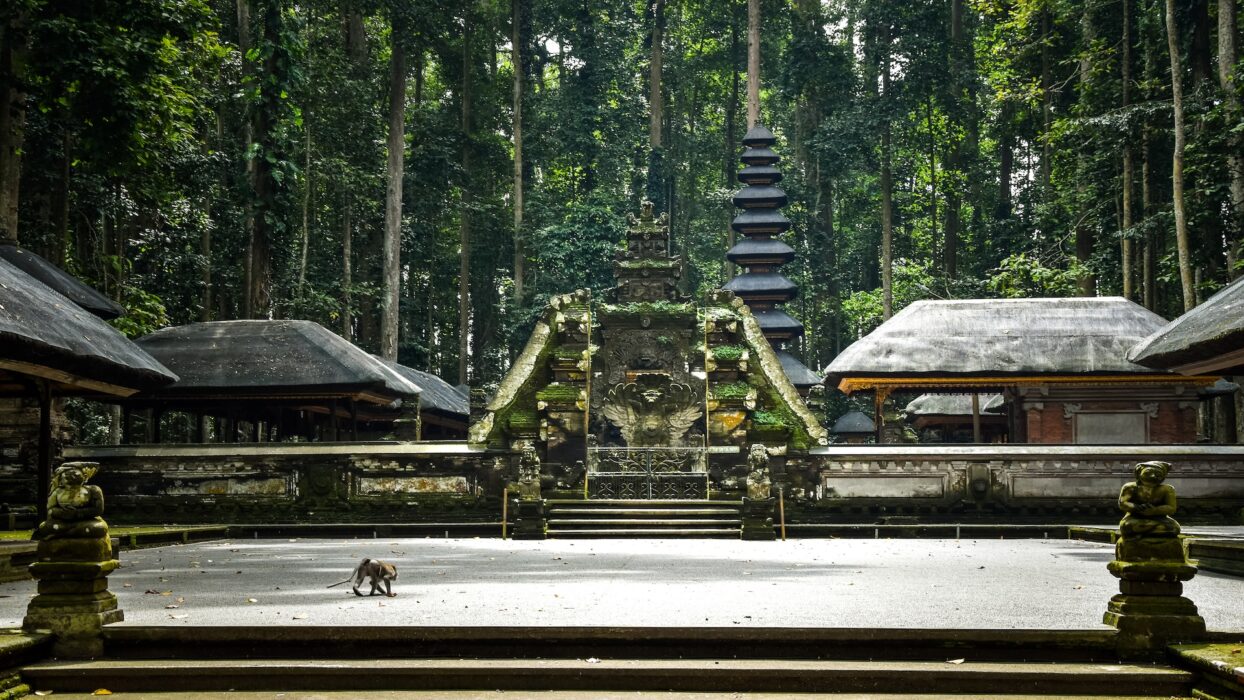
Bali is often referred to as the "Island of the Gods," and for good reason. The island is dotted with ancient temples that play a crucial role in the spiritual lives of the Balinese people. While many travelers flock to famous sites like Uluwatu and Tanah Lot, there are countless bali ancient temples that offer a more intimate glimpse into the island’s spiritual heritage. Let’s take a closer look at some of these hidden gems.
Spiritual Significance of Bali’s Temples
Each temple in Bali is a sacred space, meticulously designed to honor the gods and facilitate spiritual practices. Temples like Pura Luhur Batukaru and Pura Taman Ayun may not be as well-known, but they hold immense significance for the local community. Pura Luhur Batukaru, nestled in the lush rainforest, is dedicated to the mountain god and is a serene spot for meditation and reflection. Meanwhile, Pura Taman Ayun, with its stunning gardens and tiered roofs, is a UNESCO World Heritage site that showcases the island’s architectural beauty.
When visiting these temples, it’s important to respect local customs. Dress modestly, covering shoulders and knees, and always be mindful of the sacred rituals that may be taking place. Engaging with the temple’s spiritual atmosphere will enhance your experience and connect you to Bali’s rich cultural tapestry.
Unique Architectural Features of Hidden Temples
The architectural styles of Bali’s temples are a feast for the eyes. From intricate stone carvings to vibrant offerings, every detail tells a story. At Pura Luhur Batukaru, the temple’s unique layout harmonizes with the surrounding landscape, creating a sense of peace that is palpable. In contrast, Pura Taman Ayun stands out with its beautiful water features and lush gardens, embodying the traditional Balinese concept of harmony between nature and architecture.
For those eager to explore more of Bali’s sacred sites, check out our guide on the Famous Temples in Bali!
Unearthing Bali’s Hidden Historical Landmarks
While Bali is known for its temples, the island also boasts a wealth of bali historical landmarks that tell the story of its past. Venture off the beaten path to discover sites like Goa Gajah and the Taman Ujung Water Palace, where history comes alive amidst stunning landscapes.
Historical Context of Each Landmark
Goa Gajah, or the Elephant Cave, is a fascinating archaeological site that dates back to the 11th century. This ancient sanctuary features intricate carvings and a tranquil bathing pool, providing insight into the spiritual practices of the time. Meanwhile, Taman Ujung Water Palace, built in the early 20th century, showcases the grandeur of Bali’s royal heritage. With its beautiful ponds and lush gardens, this site is perfect for a leisurely stroll while soaking in the historical ambiance.
Tips for Visiting Lesser-Known Sites
When exploring these hidden historical sites, consider visiting during off-peak hours to enjoy a quieter experience. Bring along a knowledgeable guide or do some research beforehand to fully appreciate the stories behind each location. Don’t forget your camera—these landmarks offer some of the most picturesque settings on the island!
For more insights on Bali’s historical treasures, check out our article on Must-See Historical Spots in Bali.
Bali’s Cultural Heritage: Festivals and Local Traditions
Bali is a living tapestry of traditions and celebrations that reflect its rich cultural heritage. The island’s festivals are a feast for the senses, showcasing vibrant colors, intricate rituals, and the warmth of its people. Two of the most significant celebrations that you shouldn’t miss are Nyepi and Galungan. These events provide a unique opportunity to witness the island’s spiritual essence and community spirit.
Overview of Major Festivals
Nyepi, the Balinese Day of Silence, is a truly unique experience. Celebrated in March, it marks the Balinese New Year. The day before Nyepi, you’ll witness the lively Ogoh-Ogoh parades, where locals create giant effigies made of bamboo and paper that symbolize evil spirits. These are paraded through the streets and then burned to cleanse the island of negativity. On Nyepi itself, the island comes to a standstill. No one is allowed to work, travel, or even turn on lights, creating a serene atmosphere that allows for introspection and renewal.
Galungan, on the other hand, is a joyous celebration that occurs every 210 days, lasting for ten days. It commemorates the victory of dharma (good) over adharma (evil). During Galungan, families honor their ancestors with offerings and elaborate decorations. The streets are adorned with penjor—tall bamboo poles decorated with coconut leaves—creating a festive atmosphere across the island. It’s a wonderful time to visit local villages and immerse yourself in the vibrant ceremonies and delicious feasts.
How to Participate Respectfully
Participating in these festivals can be a memorable experience, but it’s important to do so respectfully. Dress modestly, and avoid disrupting ceremonies. If you’re invited to a family gathering, embrace the opportunity! Bring a small gift, like fruit or sweets, as a token of appreciation. Engaging with locals and asking questions about their traditions can deepen your understanding and appreciation of Bali’s cultural tapestry.
For more insights into Bali’s folklore and legends, check out our guide on Explore Bali’s Hidden Legends!
A Day in the Life of a Historical Explorer: Detailed Itinerary
Ready to uncover the hidden historical treasures of Bali? Here’s a suggested itinerary that combines culture, history, and natural beauty for an unforgettable day of exploration.
Morning: Visit to a Hidden Temple
Start your day early with a visit to Pura Luhur Batukaru. Arriving at dawn allows you to experience the tranquil atmosphere before the crowds. The mist rising from the surrounding rainforest adds to the mystical ambiance. Spend some time meditating or simply soaking in the serenity of this sacred site. Don’t forget to take a moment to appreciate the intricate carvings and the stunning views of Mount Batukaru!
Afternoon: Lunch at a Local Warung
After your spiritual morning, head to a nearby warung (local eatery) for a delicious Balinese lunch. Try traditional dishes like Babi Guling (suckling pig) or Nasi Campur (mixed rice). These meals are not just food; they’re a delightful dive into Bali’s culinary history. As you savor your meal, chat with the locals and learn more about their customs and daily lives.
Evening: Sunset at an Ancient Site
As the day winds down, make your way to Goa Gajah (Elephant Cave) for a breathtaking sunset. The cave, adorned with ancient carvings, is an archaeological wonder that dates back to the 11th century. As the sun sets, the golden light casts a magical glow over the site, making it the perfect backdrop for photos. Take a moment to reflect on the day’s adventures and the rich history you’ve uncovered.
Fun Facts About Bali’s Historical Treasures
Ready for some intriguing trivia? Bali is filled with fascinating historical facts that will make your visit even more enriching.
Unique Architectural Styles
Bali’s architectural styles are a blend of ancient traditions and modern influences. The island is famous for its meru, tiered shrines that symbolize the sacred mountain. These structures are not just visually stunning; they represent the Balinese belief in the connection between the earthly and the divine. Each layer of the meru is dedicated to different deities, showcasing the island’s deep-rooted spirituality.
Lesser-Known Historical Figures
Did you know that Bali has a rich history of kings and queens who played pivotal roles in shaping its culture? One notable figure is Raja I Gusti Ngurah Rai, a national hero who fought for Indonesia’s independence. His legacy is celebrated in Bali, and his memorial site is a must-visit for history enthusiasts. Learning about such figures adds depth to your understanding of Bali’s historical narrative.
For more captivating stories about Bali’s hidden gems, check out our article on Discover Hidden Gems in Bali.
Culinary Deep Dive: Tasting Bali’s Historical Flavors
No exploration of Bali’s history would be complete without indulging in its delectable cuisine. Balinese dishes are deeply intertwined with the island’s cultural heritage, each bite telling a story of tradition and flavor.
Historical Origins of Balinese Dishes
One dish that stands out is Bebek Betutu, a slow-cooked duck dish that is often reserved for special occasions. The preparation involves marinating the duck with a blend of spices, wrapping it in banana leaves, and cooking it in an underground oven. This dish not only tantalizes the taste buds but also reflects the communal spirit of Balinese feasts.
Recommended Restaurants and Local Eateries
For an authentic experience, head to Warung Babi Guling Ibu Oka in Ubud, famous for its Babi Guling. Another gem is Locavore, a restaurant that emphasizes locally sourced ingredients and traditional cooking methods. Dining at these places not only satisfies your hunger but also connects you to Bali’s culinary history.
Festivals and Events: Celebrating Bali’s Cultural Heritage
Throughout the year, Bali hosts numerous festivals that highlight its cultural heritage. Participating in these events offers a unique glimpse into local traditions and community life.
Major Festivals and Their Significance
In addition to Nyepi and Galungan, other festivals like Kuningan and Pagerwesi are significant in Balinese culture. Kuningan, celebrated ten days after Galungan, honors ancestors and is marked by offerings and prayers. Pagerwesi focuses on the importance of the spiritual world and the balance between good and evil. Each festival reflects the island’s deep spiritual beliefs and showcases the vibrant community spirit.
How to Experience Festivals as a Visitor
To fully immerse yourself in these celebrations, consider attending a local ceremony or festival with a guide. This way, you can learn about the customs and rituals while engaging respectfully with the community. Remember to dress appropriately and participate in the festivities with an open heart.
For more insights into Bali’s cultural experiences, check out our guide on Explore Penglipuran Village!
Practical Information for Travelers: Tips and Guidelines
Ready to explore Bali’s historical sites? Here are some practical tips to make your journey smooth and enjoyable.
Dress Codes for Temples
When visiting temples, dressing modestly is a must. Ensure your shoulders and knees are covered, and consider wearing a sarong, which is often provided at temple entrances. This not only shows respect but also allows you to fully immerse yourself in the spiritual atmosphere.
Best Times to Visit Historical Sites
To avoid crowds, visit popular sites early in the morning or later in the afternoon. This way, you can enjoy a more peaceful experience while soaking in the history and beauty of each location. Plus, the lighting during these times is perfect for photography!
Transportation Insights: Getting Around Bali’s Historical Sites
Exploring Bali’s historical treasures is a breeze with the right transportation. Here are some options to consider.
Best Transportation Methods for Historical Tours
Renting a scooter is a popular choice for many travelers, offering flexibility and the chance to explore at your own pace. Alternatively, hiring a local driver for the day can be a comfortable way to visit multiple sites without the stress of navigating. Many drivers are knowledgeable about the history and culture of the places you’ll visit, enhancing your experience.
Local Guide Recommendations
Consider joining a guided tour to gain deeper insights into Bali’s history and culture. Local guides can share stories and legends that you might not discover on your own, making your visit even more enriching.
Seasonal Travel Insights: Best Times to Explore Bali’s History
Understanding Bali’s seasons can enhance your historical exploration. Here’s what to consider.
Off-Peak vs. Peak Seasons
The best time to visit for historical exploration is during the dry season, from April to October. This period offers pleasant weather and fewer tourists, allowing for a more intimate experience at historical sites. However, if you’re interested in witnessing festivals, plan your visit around significant events like Nyepi or Galungan.
Seasonal Festivals and Events
Each season brings its own unique celebrations. The vibrant ceremonies during Galungan in the dry season are a highlight, while the serene atmosphere of Nyepi offers a different kind of experience. Aligning your visit with these events can provide a richer understanding of Bali’s cultural heritage.
Safety and Health Guidelines: Staying Safe While Exploring
Your safety and health are paramount while exploring Bali’s historical sites. Here are some key tips to keep in mind.
Health Precautions for Travelers
Stay hydrated and apply sunscreen, especially when visiting outdoor sites. If you plan to explore remote areas, consider bringing a basic first-aid kit and any necessary medications. It’s always wise to have travel insurance that covers health emergencies.
Safety Tips for Visiting Remote Locations
While Bali is generally safe, it’s important to stay aware of your surroundings, especially in less populated areas. Travel with a buddy if possible, and always inform someone of your plans. This way, you can fully enjoy your adventures without worry!
Commonly Asked Questions (FAQs) About Bali’s Historical Treasures
Curious about Bali’s historical sites? Here are some common questions answered.
What are the must-visit historical sites in Bali?
Some must-visit sites include Goa Gajah, Taman Ujung Water Palace, and Pura Taman Ayun. Each site offers a unique glimpse into Bali’s rich history and culture.
How can I respectfully engage with local culture?
Engaging respectfully involves dressing appropriately, asking questions, and participating in local customs with an open mind. Always be mindful of the sacred nature of temples and ceremonies.
For more tips on exploring Bali, visit our guide on Discover Bali’s Hidden Places.
As you explore Bali’s historical treasures, remember that each site holds a story waiting to be discovered. Whether you’re wandering through ancient temples, savoring local cuisine, or participating in vibrant festivals, the island invites you to connect with its rich cultural heritage. So, pack your bags and get ready for an adventure filled with history, beauty, and unforgettable experiences!