Temple Hopping in Bali: A Journey Through Spiritual Wonders
Bali is a treasure trove of cultural experiences, and one of the most enchanting ways to explore this island paradise is through temple hopping. With its lush landscapes and rich traditions, Bali boasts a plethora of stunning temples, each telling its own unique story. Among these, Taman Ayun Temple stands out as a cultural gem that captures the heart of visitors. Nestled in the Mengwi region, this temple is not just a visual delight but also a significant part of Balinese heritage, making it a must-visit on your Balinese adventure.
As you wander through the intricately designed grounds of Pura Taman Ayun, you’ll find yourself immersed in the serene beauty of Balinese architecture. The temple’s lush gardens, multi-tiered shrines, and tranquil fish ponds create a peaceful atmosphere that invites reflection and appreciation. Plus, with its designation as a UNESCO World Heritage Site, Taman Ayun Temple offers a glimpse into the island’s rich history and cultural significance. So, whether you’re a seasoned traveler or a first-time visitor, this temple is sure to leave a lasting impression.
Discovering Taman Ayun Temple: A Cultural Gem in Bali
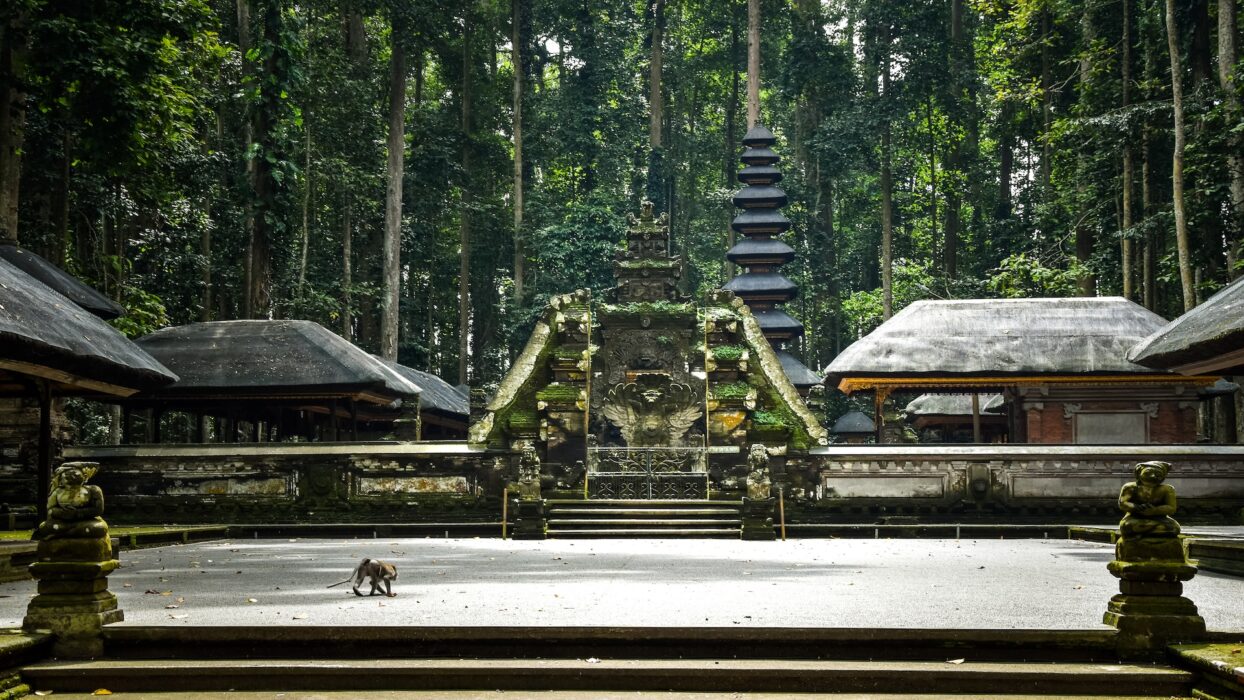
Let’s take a closer look at Taman Ayun Temple. This stunning site was built in the 17th century as the royal temple of the Mengwi Kingdom. Its name translates to "beautiful garden," which perfectly encapsulates the picturesque surroundings. The temple complex is adorned with exquisite Balinese architecture, featuring tiered shrines known as ‘meru’ that reach towards the sky, symbolizing the connection between the earthly realm and the divine.
As you stroll through the temple grounds, you’ll notice the intricate carvings and vibrant offerings that reflect the deep spiritual beliefs of the Balinese people. Taman Ayun is not just a feast for the eyes; it plays a vital role in the local culture, hosting various ceremonies and rituals throughout the year. This connection to the community is what makes Taman Ayun an essential stop on your temple hopping journey.
For those eager to learn more, check out our Comprehensive Travel Guide to Taman Ayun Temple, where you can uncover the temple’s hidden stories and practical tips for your visit!
The Rich History of Taman Ayun Temple
Every corner of Taman Ayun Temple whispers tales of the past. Constructed in the 1600s, this temple served as the royal temple for the Mengwi Kingdom, a significant power in Bali’s history. The temple’s architecture and layout are steeped in symbolism, representing the Balinese cosmology and the island’s spiritual beliefs.
One fascinating aspect of Taman Ayun Temple is the folklore associated with it. Legend has it that the temple was built by a king who sought to create a sanctuary that would protect his kingdom from evil spirits. This connection to the supernatural adds an intriguing layer to your visit, making it more than just a sightseeing stop.
While exploring the temple, keep an ear out for local stories shared by the guides or fellow travelers. These tales help bring the history of Taman Ayun to life, enriching your experience as you wander through this sacred space. If you’re keen to explore more about Bali’s heritage, our Temple Hopping in Bali guide is an excellent resource for discovering other historical gems on the island!
Architectural Wonders: Exploring Balinese Design
The architectural beauty of Taman Ayun Temple is truly a sight to behold. As you step into the temple grounds, you’ll be greeted by a stunning array of multi-tiered pagodas that rise majestically against the backdrop of lush greenery. These pagodas, known as ‘meru’, are a hallmark of Balinese architecture and are designed to honor the gods.
Take a moment to appreciate the intricate carvings that adorn the temple’s structures. Each detail tells a story, often depicting scenes from Hindu mythology or showcasing the craftsmanship of local artisans. The layout of the temple is also thoughtfully designed, reflecting the Balinese belief in harmony between nature and spirituality. This harmonious design invites visitors to wander freely, allowing for moments of reflection and appreciation of the surrounding beauty.
If you’re an architecture enthusiast or simply someone who appreciates beauty, you won’t want to miss the chance to explore Taman Ayun Temple. For more insights into Bali’s architectural wonders, check out our guide on the Enchanting Spiritual Sites in Bali!
Temple Hopping Itinerary: A Day of Adventure
Ready for a day filled with adventure? Temple hopping in Bali is an exhilarating way to soak up the island’s culture and spirituality. Start your day at Taman Ayun Temple, where you can wander the gardens and admire the stunning architecture. After you’ve explored this beautiful site, consider heading to nearby attractions to make the most of your day.
Here’s a suggested itinerary for your temple hopping adventure:
- Morning: Begin at Taman Ayun Temple. Arrive early to beat the crowds and enjoy the peaceful ambiance.
- Midday: After exploring Taman Ayun, take a short drive to Pura Ulun Danu Bratan, a stunning water temple situated on the shores of Lake Bratan.
- Afternoon: Continue your journey to Tanah Lot Temple, famous for its breathtaking sunset views and cultural significance.
This itinerary not only allows you to visit some of the best temples in Bali but also gives you a taste of the island’s diverse landscapes. If you’re looking for a guided experience, check out our Bali Temples Day Tour Including Taman Ayun for a hassle-free way to explore these iconic sites!
Nearby Attractions: Beyond Taman Ayun Temple
Once you’ve soaked in the beauty of Taman Ayun Temple, the adventure doesn’t have to stop there! Bali is rich with other cultural treasures just waiting to be explored. Just a short drive away, you can discover more stunning temples that complement your temple hopping experience.
One of the must-see sites is the enchanting Pura Ulun Danu Bratan. This picturesque water temple is set against the serene backdrop of Lake Bratan and is famous for its stunning views. The temple is dedicated to the goddess of water, Dewi Danu, and is an essential part of Balinese culture, especially for those who rely on the lake for irrigation. The reflections of the temple in the water create a magical scene, perfect for your Instagram feed!
Next up, don’t miss Tanah Lot Temple. Perched on a rocky outcrop and surrounded by crashing waves, this iconic temple is one of Bali’s most photographed spots. It’s particularly famous for its breathtaking sunsets, making it a perfect spot to wind down after a day of exploration. Be sure to check the tide times, as the temple is only accessible during low tide.
And if you’re feeling adventurous, consider visiting Besakih Temple, known as the “Mother Temple” of Bali. Located on the slopes of Mount Agung, it’s the largest and holiest temple complex on the island. The panoramic views from here are simply awe-inspiring, and the spiritual ambiance is palpable. Just remember to wear a sarong and sash as a sign of respect!
With so many incredible sites nearby, your temple hopping journey can be as extensive as you wish. Feel free to mix and match your itinerary to include lesser-known gems that offer a more intimate glimpse into Balinese spirituality and culture.
Engaging with Local Culture: Festivals and Rituals
One of the most captivating aspects of visiting Taman Ayun Temple is the opportunity to witness vibrant festivals and rituals that are an integral part of Balinese culture. The temple hosts several ceremonies throughout the year, each filled with colorful offerings, traditional dances, and lively music that create a festive atmosphere.
The Pagerwesi Festival is a highlight, celebrating the strength of the soul and the balance between good and evil. During this time, you’ll see locals dressed in beautiful traditional attire, carrying offerings to the temple, and participating in prayers that resonate with deep spiritual significance.
If you’re lucky enough to visit during the Galungan festival, you’ll witness the island come alive with decorations and celebrations. This 10-day festival honors the ancestors and is a time for family gatherings, making it a beautiful time to experience the warmth and hospitality of Balinese culture.
For those wishing to participate respectfully, consider joining a guided tour that includes insights into these rituals. This way, you can immerse yourself in the experience while also respecting local customs and traditions.
Culinary Delights: Savoring Balinese Cuisine
After a day of exploring temples, treat your taste buds to the delicious flavors of Balinese cuisine! Near Taman Ayun Temple, you’ll find a variety of local eateries and food stalls that serve up mouthwatering dishes. Be sure to try Nasi Campur, a mixed rice dish served with a variety of side dishes, including meats, vegetables, and sambal (spicy sauce). It’s a favorite among locals and a true taste of Bali!
If you’re in the mood for something sweet, indulge in Dadar Gulung, a green pancake filled with grated coconut and palm sugar. It’s a delightful treat that perfectly complements the tropical flavors of Bali.
For an authentic dining experience, look for warungs (local eateries) that offer traditional Balinese meals. Not only will you enjoy delicious food, but you’ll also get a taste of the local atmosphere and hospitality. You might even find a cozy spot with stunning views of rice terraces or the lush landscape!
Practical Information for Travelers: Tips and Guidelines
Before you head out to explore Taman Ayun Temple and its surroundings, here are some practical tips to make your visit as smooth as possible:
- Opening Hours: Taman Ayun Temple is open daily from 9 AM to 6 PM. Arriving early will allow you to enjoy the temple in peace, away from the crowds.
- Entrance Fee: The entrance fee is around IDR 20,000 (approximately $1.50), which contributes to the maintenance of the temple grounds.
- Dress Code: As with all temples in Bali, wearing a sarong and sash is required. These can often be rented at the entrance if you don’t have your own.
- Transportation: Consider hiring a private driver for the day. This not only makes getting around easier but also allows you to customize your itinerary to include other nearby attractions.
By keeping these tips in mind, you’ll be well-prepared to enjoy your time at Taman Ayun and the surrounding cultural sites!
Transportation Options: Getting to Taman Ayun Temple
Getting to Taman Ayun Temple is a breeze, whether you’re coming from Ubud, Seminyak, or other parts of Bali. Here are some transportation options to consider:
- Private Car: Renting a car with a driver is a popular choice among travelers. This way, you can relax and enjoy the scenic views without worrying about navigation.
- Motorbike Rental: For the more adventurous, renting a motorbike can be an exciting way to explore Bali. Just be sure to wear a helmet and drive safely!
- Public Transport: Bemo (shared minivans) are available, but they can be less reliable. If you opt for this option, be prepared for a bit of a wait.
Whichever mode of transportation you choose, the journey to Taman Ayun Temple is filled with beautiful landscapes and charming local sights. So sit back, relax, and enjoy the ride!
Seasonal Insights: Best Times to Visit Taman Ayun
Timing your visit to Taman Ayun Temple can greatly enhance your experience. The best times to visit are during the dry season, which runs from April to October. During these months, you can expect sunny skies and pleasant temperatures, perfect for exploring the temple grounds.
If you prefer a quieter experience, consider visiting during the shoulder seasons of April to June or September to October. These months see fewer tourists, allowing you to enjoy the temple’s beauty in a more serene setting.
For those interested in witnessing local ceremonies, check the Balinese calendar for festival dates. Experiencing a ceremony at Taman Ayun can be a highlight of your trip, offering a unique glimpse into Balinese spirituality and culture.
Safety and Health Guidelines for Temple Visitors
Your health and safety are paramount while exploring Bali’s stunning temples. Here are some tips to keep in mind during your visit to Taman Ayun Temple:
- Stay Hydrated: Bali’s tropical climate can be quite warm, so make sure to drink plenty of water throughout the day.
- Sun Protection: Don’t forget your sunscreen, hat, and sunglasses! Protecting yourself from the sun will ensure you have a comfortable visit.
- Respect Local Customs: Always follow the dress code and be respectful of the temple’s sacredness. It’s also good practice to ask permission before taking photos of ceremonies or rituals.
By following these guidelines, you’ll not only ensure your well-being but also show respect for the local culture and traditions.
Engaging with Nature: Outdoor Activities Around Taman Ayun
After exploring the spiritual wonders of Taman Ayun Temple, why not take advantage of Bali’s stunning natural beauty? The area around the temple offers a variety of outdoor activities that allow you to connect with nature and experience the island’s lush landscapes.
Consider taking a leisurely hike through the nearby rice terraces, where you can immerse yourself in the vibrant greens and learn about traditional farming practices. The Jatiluwih Rice Terraces, a UNESCO World Heritage Site, are just a short drive away and offer breathtaking views that are perfect for photography.
For those who enjoy cycling, rent a bike and explore the scenic countryside. Cycling through the villages and along the rice fields is a fantastic way to experience Bali’s natural charm up close. Many local tour operators offer guided cycling tours that include stops at temples and traditional markets.
Commonly Asked Questions (FAQs) about Taman Ayun Temple
As you prepare for your visit to Taman Ayun Temple, you might have some questions. Here are answers to some commonly asked queries:
- Can I take photos inside the temple? Yes, photography is generally allowed, but be respectful and avoid taking photos during ceremonies.
- What should I wear? A sarong and sash are required. These are often available for rent at the entrance.
- Are there any guided tours available? Yes, many local guides offer tours that provide deeper insights into the temple’s history and significance.
These FAQs should help you feel more prepared for your visit to Taman Ayun Temple!
Fun Facts About Taman Ayun Temple and Balinese Culture
Did you know that Taman Ayun Temple was once the royal temple of the Mengwi Kingdom? Built in the 17th century, it reflects the rich history of Bali and serves as a symbol of the island’s spiritual heritage.
Another fun fact is that the temple’s gardens are designed in a traditional Balinese style, which emphasizes harmony between nature and spirituality. This design philosophy is a hallmark of Balinese culture, making every visit not just a sightseeing trip but also a spiritual experience.
As you explore, keep an eye out for the intricate carvings and vibrant offerings that adorn the temple. Each element tells a story, showcasing the craftsmanship and creativity of the Balinese people.
Sustainability and Conservation Focus in Bali
As you enjoy the beauty of Taman Ayun Temple and other cultural sites, it’s essential to think about sustainability. Bali is committed to preserving its rich cultural heritage and natural environment, and as a visitor, you can contribute to these efforts.
Participate in eco-friendly tours that promote responsible tourism practices. When visiting temples, always follow the guidelines set by local authorities to minimize your impact on the environment. Additionally, support local artisans and businesses to help sustain the community.
By being a conscious traveler, you’ll not only enhance your own experience but also help protect Bali’s treasures for future generations!