Temple Hopping in Bali: A Spiritual Sojourn on Nyepi Day
Picture this: the sun rises over the lush green hills of Bali, casting a golden glow on the island’s stunning temples. As the day unfolds, a unique tranquility envelops the island, especially on Nyepi Day, the Day of Silence. This is not just any ordinary day; it’s a time when the entire island pauses to reflect, meditate, and rejuvenate. For travelers eager to explore Bali’s rich spiritual heritage, Nyepi offers a rare opportunity to experience the temples in a serene and almost magical atmosphere.
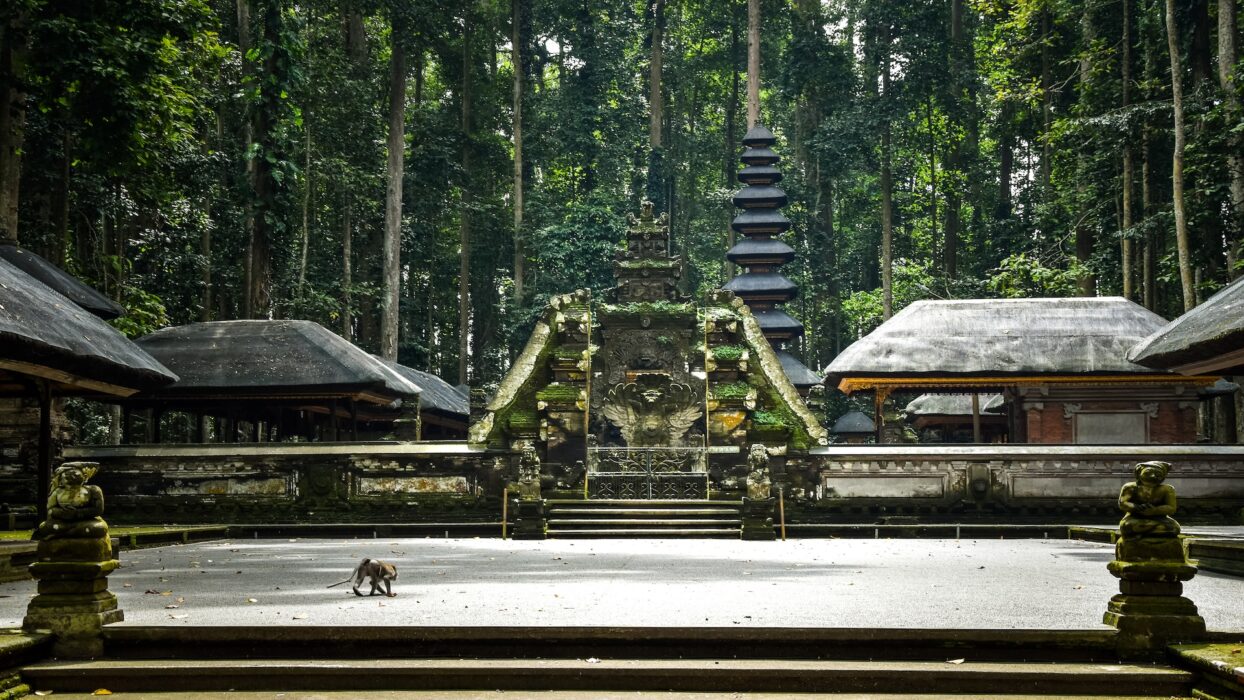
During Nyepi, the usual hustle and bustle of Bali is replaced with a profound silence, creating a sacred space for reflection and connection to the divine. Visiting temples on this day is not just about sightseeing; it’s about immersing yourself in the local culture and understanding the significance of these sacred sites. From purification rituals at Pura Tirta Empul to the breathtaking views at Uluwatu Temple, temple hopping during Nyepi is an experience unlike any other.
As you wander through these spiritual sanctuaries, you’ll discover the stories and traditions that make Bali’s temples some of the best places to visit. The island is dotted with stunning architectural marvels, each with its own unique charm and significance. Whether you’re a spiritual seeker or simply a curious traveler, the temples of Bali beckon with open arms, especially during this special occasion.
Exploring the Best Temples in Bali for Nyepi Day
Ready to uncover the must-see temples in Bali? Let’s embark on a journey to some of the most iconic and spiritually significant sites that you won’t want to miss during Nyepi Day. Each temple offers its own unique experience, perfect for both reflection and adventure.
Pura Tirta Empul
Known as the “Holy Water Temple,” Pura Tirta Empul is a must-visit for spiritual seekers. This temple is famous for its purification rituals, where locals and visitors alike partake in the sacred cleansing process. Imagine stepping into the cool waters, surrounded by ancient stone carvings and lush greenery, as you wash away any negativity and embrace a fresh start. The atmosphere is filled with reverence and peace, making it an ideal spot to connect with your inner self during Nyepi.
Uluwatu Temple
Perched on a dramatic cliff overlooking the Indian Ocean, Uluwatu Temple is not only a spiritual haven but also a feast for the eyes. The stunning views from this temple are breathtaking, especially at sunset when the sky transforms into a canvas of vibrant colors. Don’t miss the chance to catch a traditional Kecak dance performance here, where the captivating storytelling adds to the temple’s magical ambiance. On Nyepi, the tranquility of Uluwatu becomes even more pronounced, allowing you to fully absorb the beauty of your surroundings.
Tanah Lot Temple
One of Bali’s most iconic landmarks, Tanah Lot Temple is a picturesque sea temple that’s best visited during sunset. Perched on a rocky outcrop, it offers a stunning backdrop as waves crash against the cliffs below. On Nyepi Day, the temple’s beauty is heightened by the stillness that surrounds it, making for a memorable experience. Be sure to bring your camera to capture the magical moments as the sun dips below the horizon, casting a golden glow over the temple.
Ulun Danu Beratan Temple
Set against the serene backdrop of Lake Beratan, Ulun Danu Beratan Temple is a tranquil oasis perfect for those seeking peace and reflection. This lakeside temple is dedicated to the water goddess Dewi Danu and is surrounded by lush gardens and cool mountain air. During Nyepi, the calm waters mirror the temple’s stunning architecture, creating a picturesque scene that invites contemplation and serenity. This is the place to unwind and soak in the spiritual energy of Bali.
Pura Gunung Kawi
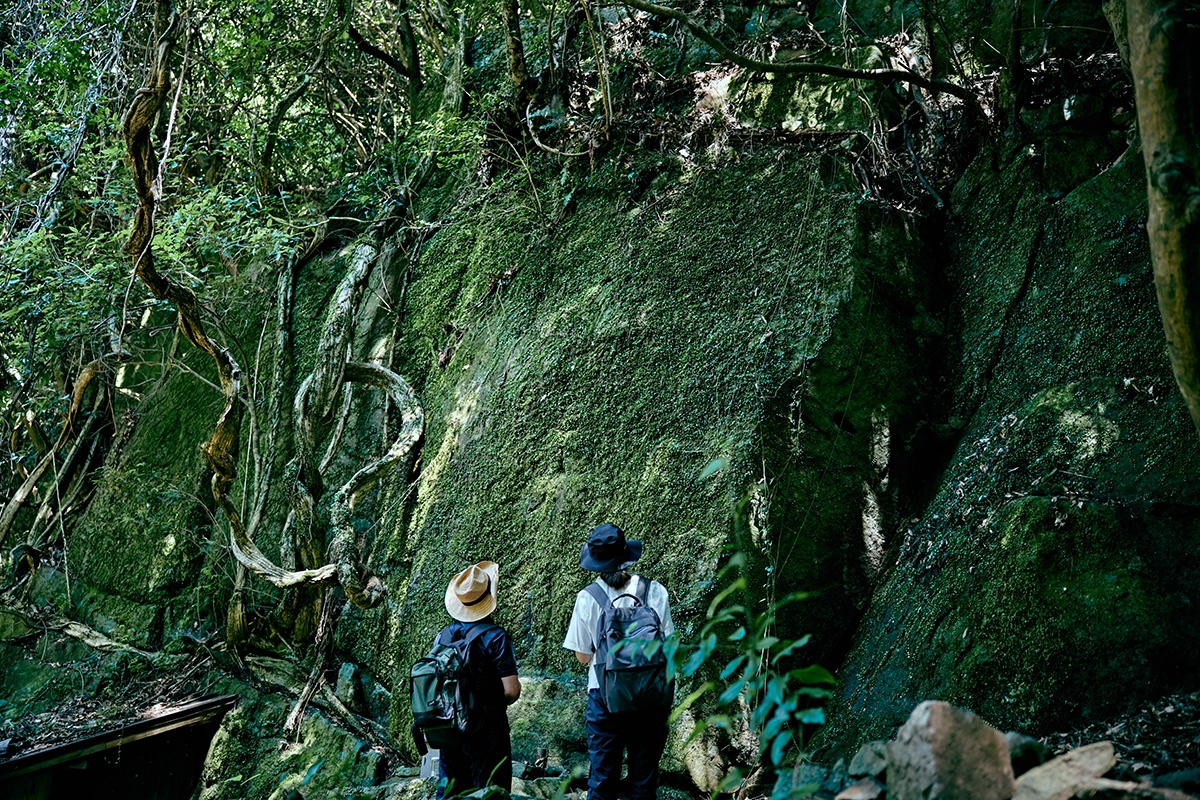
For a touch of history, Pura Gunung Kawi is a unique rock-cut temple that tells tales of Bali’s ancient past. Carved into the cliffs, this temple complex features impressive shrines that date back to the 11th century. As you wander through the lush rice terraces leading to the temple, you’ll feel a sense of connection to the land and its rich heritage. On Nyepi Day, the quiet ambiance allows you to fully appreciate the intricate carvings and the stories they hold.
Each of these temples offers a glimpse into the heart of Balinese spirituality and culture. Whether you’re drawn to the purification rituals, stunning views, or historical significance, Bali’s temples provide an enriching experience that resonates long after your visit.
The Significance of Nyepi Day in Balinese Culture
Nyepi Day, also known as the Day of Silence, is a remarkable occasion in Bali that goes beyond mere observance; it’s a profound cultural experience that resonates deeply within the Balinese community. This day marks the Balinese New Year, a time for self-reflection, meditation, and purification. The rituals surrounding Nyepi are rich in meaning, making it a fascinating time for travelers to witness the island’s spiritual heartbeat.
One of the most significant rituals is the Malesti purification ceremony, where Balinese people cleanse themselves of past sins and bad karma. This ritual often takes place in the days leading up to Nyepi, setting the stage for the quiet introspection that follows. As you explore the temples, you might observe locals participating in these cleansing rituals, further enhancing your understanding of the cultural significance of the day.
On Nyepi, the island comes to a standstill. Streets are empty, and the usual sounds of daily life are replaced by an almost ethereal silence. This is a day dedicated to self-reflection and spiritual renewal, where even tourists are encouraged to respect the local customs. Visitors should be aware that many businesses close, and travel is restricted, making it a unique opportunity to contemplate and connect with the serene energy of Bali.
For travelers, this day presents a chance to witness a different side of Bali—one that emphasizes peace, introspection, and spiritual connection. Embrace the stillness, and consider joining in the local customs, perhaps by meditating or simply enjoying the tranquility of your surroundings. It’s a day that invites you to slow down and appreciate the beauty of simplicity.
Temple Etiquette: Navigating Balinese Spiritual Sites
Visiting temples in Bali is a delightful experience, but it comes with its own set of etiquette rules that are essential to follow. Respecting local customs not only enhances your experience but also honors the rich cultural heritage of the island. Here are some tips to keep in mind while exploring Bali’s sacred sites, especially during Nyepi.
Dress Code
When visiting temples, it’s important to dress modestly. Both men and women should wear a sarong and a udeng (headpiece for men) or a kebaya (traditional blouse for women). Many temples provide sarongs for visitors, but it’s a good idea to bring your own to ensure you’re prepared. Remember, these are sacred spaces, and dressing appropriately shows your respect for the local culture.
Respectful Behavior
Silence is golden in temples, especially on Nyepi Day. Speak softly, and avoid loud conversations or disruptive behavior. Always ask permission before taking photos, particularly during ceremonies. If you’re unsure about something, don’t hesitate to ask a local or a temple guide for guidance. They are usually more than happy to share their knowledge and help you navigate the customs.
Understanding Local Customs
Each temple has its own unique customs and rituals. Take the time to observe and understand what’s happening around you. If you’re lucky enough to witness a ceremony, take a step back and enjoy the experience without intruding. Participating in rituals, when invited, can be a rewarding experience, but always approach with humility and respect.
A Day-by-Day Itinerary for Temple Hopping During Nyepi
Planning to explore Bali’s temples before Nyepi Day? Here’s a suggested itinerary to make the most of your temple hopping adventure, ensuring you experience the island’s spiritual essence while respecting the significance of the Day of Silence.
Day 1: Ubud Temples
Kick off your journey in Ubud, the cultural heart of Bali. Start with a visit to Pura Tirta Empul for a refreshing purification ritual. Afterward, head to Goa Gajah, the Elephant Cave, where you can admire its intricate carvings and serene gardens. End your day by exploring the local art markets, soaking in the vibrant atmosphere.
Day 2: Coastal Temples
On your second day, venture to the stunning coastal temples. Begin with Tanah Lot Temple, where you can enjoy breathtaking views of the ocean. Next, visit Uluwatu Temple for its dramatic cliffside setting. Don’t forget to catch the Kecak dance performance at sunset—it’s a mesmerizing experience that captures the essence of Balinese culture.
Day 3: Serene Temples
For your final day, head to the tranquil Ulun Danu Beratan Temple, located on the picturesque Lake Beratan. Take your time to soak in the peaceful ambiance and beautiful scenery. Conclude your temple hopping with a visit to Pura Gunung Kawi, where you can admire the ancient rock-cut shrines amidst lush rice terraces.
This itinerary not only allows you to explore some of the best temples in Bali but also prepares you for the introspective experience of Nyepi Day. Each temple offers a unique glimpse into the island’s spiritual heritage, making your trip truly memorable.
Fun Facts About Bali Temples and Nyepi Day
Did you know that Bali is home to over 20,000 temples? Each temple has its own unique architecture, often reflecting the rich history and cultural significance of the island. Here are some fun facts that might surprise you!
Unique Architectural Styles
Bali’s temples are renowned for their stunning architectural styles, characterized by intricate carvings, tiered roofs, and vibrant colors. The Meru (multi-roofed shrines) are particularly striking, symbolizing the mythical Mount Meru, the center of the universe in Hindu cosmology.
Myths and Legends
Many temples are steeped in myths and legends. For instance, Tanah Lot is said to have been built by the revered priest Nirartha, who was guided by the sea goddess. Each temple tells a story that adds to the mystical allure of Bali.
As you explore these sacred sites, take a moment to appreciate the stories they hold. Engaging with the local culture and history will enrich your experience and deepen your connection to the island.
Culinary Delights Near Bali’s Temples
After a day of temple hopping, you’ll surely have worked up an appetite! Bali offers a plethora of delicious dining options near its temples, allowing you to indulge in the local culinary scene. Here are some must-try dishes and dining spots that will enhance your travel experience.
Traditional Balinese Dishes
Don’t miss out on trying Nasi Campur, a mixed rice dish served with various side dishes, including meat, vegetables, and sambal. For a truly authentic experience, seek out local warungs (small family-owned eateries) where you can savor homemade flavors. Another must-try is Babi Guling, a succulent roasted pig that’s often served during special occasions.
Cafes with a View
For a memorable dining experience, look for cafes that offer views of the temples. Many establishments near Tanah Lot provide stunning sunset vistas, making your meal even more special. Enjoy a refreshing drink while watching the sun dip below the horizon, casting a magical glow over the temple.
Festivals and Events at Bali Temples
Bali’s temples are not just places of worship; they are vibrant centers of culture and celebration. Throughout the year, various festivals and events take place, showcasing the island’s rich traditions. Here’s a glimpse into some of the exciting happenings you might encounter.
Temple Festivals
Each temple has its own annual festival, often featuring elaborate ceremonies, traditional music, and dance performances. The Pagerwesi festival, for instance, is celebrated at many temples, honoring the God of the Universe and symbolizing the balance between good and evil. Participating in these festivities gives you a unique insight into Balinese spirituality and community life.
Special Events During Nyepi
While Nyepi is primarily a day of silence, the days leading up to it are filled with vibrant celebrations. The Ogoh-Ogoh parade is a spectacular event where large, colorful effigies representing malevolent spirits are paraded through the streets before being burned. This ritual symbolizes the purification of the island and is a sight to behold!
Experiencing these festivals allows you to witness the heart and soul of Balinese culture, making your visit even more enriching.
Practical Information for Travelers
Planning your temple visits during Nyepi requires some practical considerations. Here’s what you need to know to make your experience smooth and enjoyable.
Opening Hours and Accessibility
Most temples in Bali are open to visitors during the day, but be mindful that on Nyepi, access may be restricted. It’s best to check the specific temple’s schedule ahead of time. Typically, temples open around 8 AM and close by 5 PM, but this can vary, especially during festivals.
Transportation Options
Getting around Bali can be an adventure in itself! Renting a scooter is a popular option for the more adventurous traveler, while hiring a private driver offers a more relaxed way to explore. Many hotels also provide shuttle services to popular temples, so be sure to ask about transportation options when booking your stay.
With these tips in mind, you’ll be well-prepared to explore the breathtaking temples of Bali and immerse yourself in the island’s rich spiritual culture.
Sustainability and Conservation at Bali’s Temples
As travelers, it’s essential to consider the impact of our visits on the beautiful destinations we explore. Bali’s temples are not only spiritual sites but also vital components of the island’s ecosystem and cultural identity. Here’s how sustainability plays a role in temple tourism.
Eco-Friendly Practices
Many temples and local communities are adopting eco-friendly practices to preserve their heritage. Initiatives such as waste management programs, recycling, and promoting sustainable tourism help protect these sacred sites for future generations. Supporting local artisans and businesses can also contribute to the conservation of Balinese culture.
Community Involvement
Engaging with local communities during your visits fosters a deeper connection to the culture and encourages sustainable practices. Many temples host community events and workshops, allowing visitors to learn about Balinese traditions and contribute to conservation efforts. Participate in these activities to make your trip more meaningful.
By prioritizing sustainability during your travels, you can help protect the enchanting temples of Bali while enjoying all the beauty they have to offer.
Commonly Asked Questions (FAQs) About Temple Hopping in Bali
As you prepare for your temple hopping adventure in Bali, you might have some questions. Here are answers to some of the most frequently asked questions to help you make the most of your visit.
What to expect on Nyepi Day?
On Nyepi Day, expect a serene atmosphere as the island comes to a standstill. Most businesses will be closed, and you’ll witness a unique tranquility. It’s a day for self-reflection and meditation, so embrace the stillness and enjoy the peaceful surroundings.
How to prepare for temple visits?
Dress modestly, bring a sarong, and familiarize yourself with temple etiquette. It’s also a good idea to carry some cash for entrance fees and offerings. Be respectful of local customs, and don’t hesitate to ask locals for guidance if you’re unsure about something.
With these tips and insights, you’re all set for an unforgettable temple hopping experience in Bali. Enjoy the beauty, culture, and spirituality that this enchanting island has to offer!