Introduction to Temple Hopping in Bali
Welcome to Bali, the enchanting Island of the Gods, where spirituality and stunning landscapes intertwine to create a haven for travelers seeking both adventure and inner peace. The island is dotted with sacred temples that serve as gateways to Bali’s rich cultural heritage and profound spirituality. From the majestic cliffside views of Pura Luhur Uluwatu to the serene waters of Tirta Empul, temple hopping in Bali is not just a journey through beautiful architecture; it’s a spiritual odyssey that invites you to connect with the island’s vibrant traditions.
Bali is renowned for its spiritual sites, where every temple tells a story and every ritual is steeped in meaning. Whether you’re a history buff, a photography enthusiast, or simply someone looking for a peaceful respite, these sacred temples in Bali offer something for everyone. As you wander through lush rice paddies and ancient stone pathways, you’ll find that each temple has its own unique charm and significance, making your exploration an unforgettable experience.
Discover the Best Temples in Bali: A Spiritual Odyssey
Ready to embark on a temple-hopping adventure? Let’s discover some of the best temples in Bali, each with its own unique features and captivating allure. These famous temples are not just places of worship; they are also stunning backdrops for your Bali memories!
Pura Luhur Uluwatu
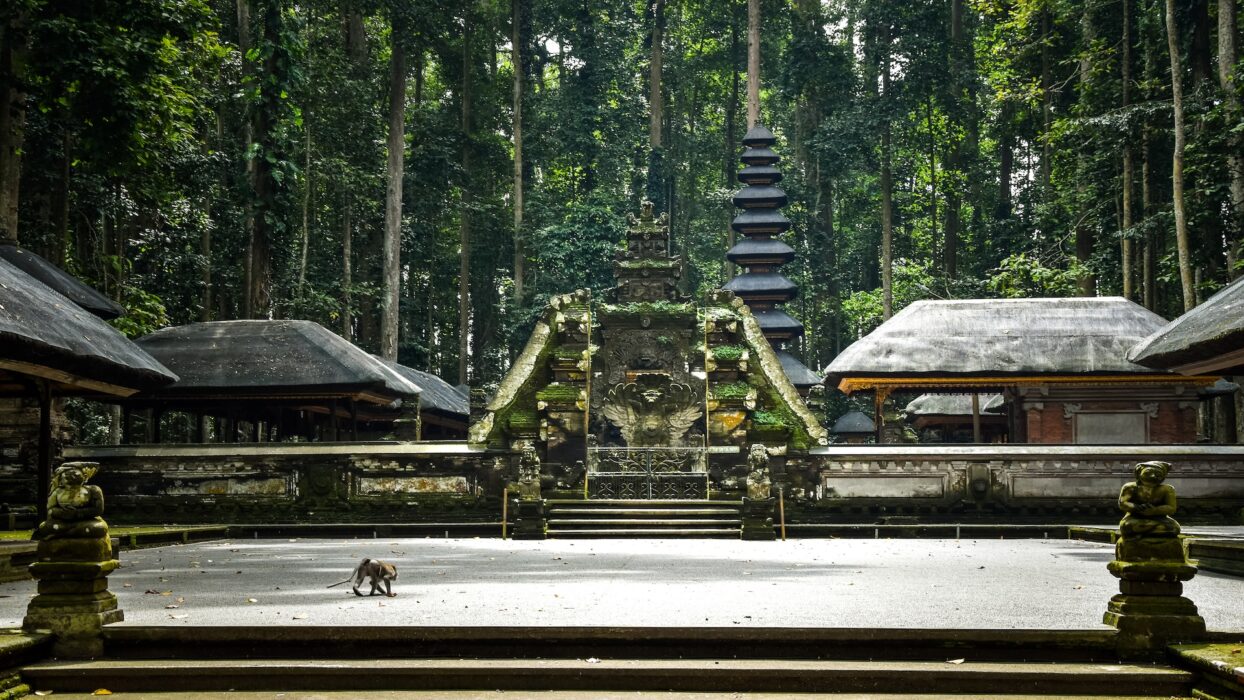
Perched on a dramatic cliff overlooking the Indian Ocean, Pura Luhur Uluwatu is a must-visit. This temple is famous for its breathtaking sunset views and the mesmerizing Kecak dance performances that take place every evening. As the sun dips below the horizon, the temple transforms into a magical setting, making it a photographer’s dream. Don’t forget to keep an eye out for the cheeky monkeys that call this temple home!
Tanah Lot
Another iconic site is Tanah Lot, known for its stunning offshore setting and incredible sunsets. This temple is one of Bali’s most photographed locations, and for good reason! The sight of the temple perched on a rocky outcrop amidst crashing waves is simply breathtaking. Arrive early to explore the surrounding markets and enjoy a meal at one of the nearby seafood restaurants while you wait for the sun to set.
Besakih Temple
As the mother temple of Bali, Besakih Temple holds a special place in the hearts of locals. Nestled on the slopes of Mount Agung, this sprawling complex consists of over 80 individual temples. The stunning architecture and the sweeping views of the surrounding landscape make it an awe-inspiring stop on your temple-hopping journey. Be sure to take your time here, as the spiritual atmosphere is palpable.
Tirta Empul
For those seeking purification and renewal, Tirta Empul is the perfect destination. Known for its holy spring water, this temple is a site for purification rituals where locals and visitors alike partake in the cleansing waters. Watching the ceremonies unfold is a fascinating experience, and you might even want to join in the ritual yourself for a truly immersive encounter!
Goa Gajah
Step back in time at Goa Gajah, an ancient cave temple that dates back to the 9th century. The intricate carvings and historical significance of this site make it a captivating visit. Explore the lush gardens and the serene atmosphere that surrounds the temple, providing a perfect backdrop for reflection and tranquility.
But wait, there’s more! While these famous temples in Bali are certainly highlights, don’t miss the chance to explore some hidden gems like Pura Gunung Kawi Sebatu and Pura Taman Ayun. These lesser-known sites offer enchanting atmospheres and a glimpse into the island’s spiritual life away from the crowds.
Hidden Gems: Unique Temples Off the Beaten Path
While the famous temples of Bali are undoubtedly awe-inspiring, the island is also home to some hidden gems that offer a more intimate glimpse into Balinese spirituality and culture. These unique temples are often less crowded, allowing for a more serene experience, perfect for those looking to escape the hustle and bustle.
Pura Gunung Kawi Sebatu
Located in the tranquil village of Sebatu, Pura Gunung Kawi Sebatu is a stunning temple complex surrounded by lush rice terraces and beautiful gardens. This temple is dedicated to the water goddess, and its serene atmosphere is perfect for reflection and meditation. Visitors can explore the intricately carved shrines and participate in traditional purification rituals in the sacred water pools. Don’t forget your camera; the scenery here is absolutely breathtaking!
Pura Taman Ayun
Another hidden treasure is Pura Taman Ayun, a royal temple set within a beautiful garden landscape. With its stunning multi-tiered shrines and serene lotus ponds, this temple is a perfect spot for a leisurely stroll. The traditional Balinese architecture combined with the tranquil setting makes it a picturesque location for photos. The temple is less frequented by tourists, allowing you to soak in the peaceful ambiance without interruption.
Travelers who have visited these hidden gems rave about the calmness and beauty of these sites. Many share personal anecdotes of quiet moments spent in prayer or simply enjoying the stunning views. Exploring these lesser-known temples provides a unique perspective on Bali’s rich spiritual life, away from the crowds.
The Cultural Calendar: Temple Festivals in Bali
Bali is not just a land of temples; it’s also a vibrant stage for numerous cultural festivals that celebrate the island’s rich heritage. These festivals are a fantastic way to experience the local customs and witness the colorful rituals that define Balinese spirituality.
Galungan
One of the most significant festivals is Galungan, which occurs every 210 days and symbolizes the victory of good over evil. During this time, the island comes alive with decorations, and families gather to honor their ancestors. The festivities include traditional music, dancing, and offerings at temples, making it a vibrant time to visit.
Kuningan
Following Galungan is Kuningan, a day dedicated to honoring ancestors. On this day, families prepare special offerings and visit temples to pray. The atmosphere is filled with devotion, and witnessing the rituals can be a deeply moving experience.
Nyepi
Don’t miss Nyepi, the Day of Silence, which marks the Balinese New Year. On this day, the island comes to a standstill as locals engage in self-reflection. The day before Nyepi is filled with colorful parades and traditional Ogoh-Ogoh (demonic effigies) that are burned to drive away evil spirits. It’s a unique experience to watch the festivities leading up to the silence that follows.
Participating in these festivals allows you to immerse yourself in Balinese culture, and it’s a great opportunity to connect with locals. To make the most of your visit, check festival schedules ahead of time and plan your temple visits accordingly!
Capturing the Essence: Photography Tips for Temple Visits
With stunning architecture and breathtaking landscapes, Bali’s temples offer countless opportunities for photography. Whether you’re a seasoned photographer or just love snapping pictures on your phone, here are some tips to help you capture the magic of these sacred sites.
Best Times to Shoot
The golden hours—early morning and late afternoon—are ideal for capturing the temples bathed in soft light. Early mornings are particularly serene, allowing for peaceful shots without the crowds. Late afternoons offer dramatic sunsets, especially at cliffside temples like Pura Luhur Uluwatu.
Recommended Angles
Don’t be afraid to experiment with different angles! Try shooting from low to the ground to capture the intricate details of temple architecture or climbing to a higher vantage point for sweeping landscape shots. The reflections in water features at temples like Pura Taman Ayun can create stunning compositions.
Remember to be respectful while photographing. Some temples may have restrictions on photography, especially during ceremonies. Always ask for permission if you’re unsure!
Practical Information for Temple Hoppers
Before setting off on your temple-hopping adventure, it’s essential to know a few practical details to ensure a smooth experience.
Dress Code and Etiquette
Opening Hours and Entrance Fees
Most temples in Bali are open daily, but hours can vary. Popular temples like Tirta Empul and Tanah Lot may charge entrance fees, so be sure to check in advance. It’s a good idea to arrive early to avoid crowds and enjoy the tranquility of these sacred spaces.
Transportation Options
Getting around Bali is relatively easy. Renting a scooter is a popular option for those comfortable with riding, while hiring a local driver can provide a more relaxed experience. Many drivers offer full-day tours, which can be a great way to visit multiple temples without the hassle of navigating traffic.
Accessibility can vary from temple to temple, so if you have mobility concerns, check ahead to ensure that the sites you plan to visit can accommodate your needs.
Culinary Delights Near Temples: A Taste of Balinese Culture
No trip to Bali is complete without indulging in the local cuisine! Many temples are surrounded by delicious eateries that serve traditional Balinese dishes.
Warung Babi Guling Ibu Oka
If you’re near Ubud, don’t miss Warung Babi Guling Ibu Oka, famous for its succulent roasted suckling pig. This dish is a must-try and offers a true taste of Balinese culture. Pair it with a refreshing drink to cool down after a day of temple hopping!
Seafood Restaurants Near Tanah Lot
After exploring Tanah Lot, head to one of the nearby seafood restaurants for a delightful meal while watching the sun set over the ocean. The fresh catch of the day, grilled to perfection, is the ideal way to end your temple tour.
Food is an integral part of Balinese culture, and sharing meals with locals can enhance your travel experience. Don’t hesitate to ask for recommendations; the locals will be more than happy to guide you to their favorite spots!
Sustainability and Respect: Mindful Temple Visits
As you explore Bali’s sacred sites, it’s important to practice sustainable tourism and show respect for local customs and traditions. Here are some tips to keep in mind:
Respect Local Customs
Always be respectful of the customs and traditions observed at each temple. This includes observing quietness during ceremonies and refraining from touching sacred objects. Engaging with locals and asking questions can enhance your understanding of their practices.
Minimize Environmental Impact
Help preserve the beauty of Bali by minimizing waste during your visits. Bring reusable water bottles, avoid single-use plastics, and dispose of trash responsibly. Supporting local artisans and purchasing handmade crafts can also contribute to the local economy and conservation efforts.
Outdoor Activities and Spiritual Experiences Around Temples
For those looking to combine their temple visits with outdoor adventures, Bali offers a plethora of activities that complement your spiritual journey.
Hiking Trails Near Temples
For adventure seekers, consider hiking trails near temples like Pura Luhur Uluwatu. The scenic coastal paths offer breathtaking views of the ocean and are a fantastic way to connect with nature. Early morning hikes can be particularly rewarding, with fewer crowds and cooler temperatures.
Yoga and Wellness Retreats
Many wellness retreats are located near temples, offering yoga sessions and meditation classes that enhance your spiritual experience. Participating in these activities can help you unwind and connect with the serene energy of Bali.
Shopping for Souvenirs: Artisan Markets Near Temples
After a day of temple hopping, why not treat yourself to some unique souvenirs? Many temples are close to local artisan markets where you can find handmade crafts, clothing, and traditional Balinese art.
Supporting Local Crafts
Shopping at these markets not only allows you to take a piece of Bali home with you but also supports local artisans and their families. Look for items that reflect Balinese culture, such as intricately carved wooden statues or batik textiles.
Engaging with local artisans can also provide insight into their craft and the cultural significance behind their work. It’s a great way to connect with the community and bring home special memories!
Transportation Details for Temple Hopping Adventures
Getting to each temple can be a breeze with the right transportation options. Here’s a quick guide to help you choose the best way to explore.
Renting Scooters vs. Hiring Drivers
If you’re comfortable on two wheels, renting a scooter is a popular choice for many travelers. It offers the freedom to explore at your own pace. However, if you prefer a more leisurely experience, hiring a local driver can be a fantastic option. Many drivers are knowledgeable about the area and can share insights about the temples you visit.
Public Transport Options
While Bali does have some public transport options, they may not be the most practical for temple hopping. Consider using ride-sharing apps or arranging private transport for convenience and comfort.
Seasonal Travel Insights: Best Times to Visit Bali Temples
The best seasons for temple hopping in Bali can greatly enhance your experience. Here’s what to keep in mind:
Weather Considerations
The dry season, from April to October, is generally the best time to visit Bali. The weather is pleasant, making it ideal for outdoor activities and temple visits. However, the wet season can also be a beautiful time to visit, with fewer tourists and lush landscapes.
Temple Events Throughout the Year
Each season brings unique temple events and festivals, so check local calendars to plan your visit around these cultural highlights. Experiencing a temple festival can offer a deeper understanding of Balinese culture and spirituality.
Safety and Health Guidelines for Temple Visitors
Your safety and health are paramount while exploring Bali’s temples. Here are some guidelines to keep in mind:
Essential Safety Tips
Keep your belongings secure and be aware of your surroundings, especially in crowded areas. It’s advisable to avoid carrying large amounts of cash and to use reputable transportation options.
Health Guidelines During Festivals
During festivals and ceremonies, it’s important to stay hydrated and be mindful of your health. If you’re visiting during the hot season, wear sunscreen and a hat to protect yourself from the sun.
Commonly Asked Questions (FAQs) About Temple Hopping in Bali
As you prepare for your temple-hopping adventure, you may have some questions. Here are a few commonly asked questions to help you on your journey:
What is the dress code for temples?
Visitors are required to wear a sarong and sash when entering temples. These can usually be rented or purchased at the temple entrance.
Can I take photos in temples?
Photography is generally allowed, but be respectful and ask for permission during ceremonies or if you’re photographing locals.
What are the best times to visit temples?
Early morning and late afternoon are ideal for avoiding crowds and capturing beautiful light for photography.
Fun Facts About Bali’s Temples and Spiritual Culture
As you explore Bali’s temples, here are some fun facts to enrich your experience:
Unique Architectural Features
Many Balinese temples feature intricate carvings and unique architectural styles that reflect the island’s rich cultural heritage. For instance, the tiered roofs of Pura Taman Ayun symbolize the connection between the earthly and spiritual realms.
Folklore and Legends
Bali is steeped in folklore, and many temples are associated with fascinating legends. For example, Pura Luhur Uluwatu is said to have been built in the 11th century by a Javanese priest who sought to spread Hinduism in Bali.
Detailed Day-by-Day Itinerary for Temple Hopping in Bali
If you’re looking for a structured plan for your temple-hopping adventure, here’s a suggested itinerary:
Day 1: Uluwatu and Tanah Lot
Start your day at Pura Luhur Uluwatu to catch the sunrise and enjoy the stunning cliffside views. In the afternoon, head to Tanah Lot for breathtaking sunset photography.
Day 2: Besakih and Tirta Empul
Visit Besakih Temple, the mother temple of Bali, and explore its sprawling complex. Afterward, cleanse your spirit at Tirta Empul with a refreshing dip in the holy spring water.
Day 3: Goa Gajah and Hidden Gems
Explore the ancient Goa Gajah cave temple in the morning. In the afternoon, discover hidden gems like Pura Gunung Kawi Sebatu and Pura Taman Ayun for a tranquil experience.
Day 4: Cultural Festivals and Local Experiences
Check the local festival calendar and participate in a temple festival if possible. Spend the day engaging with locals and enjoying traditional Balinese cuisine.
This itinerary provides a flexible framework for your temple-hopping adventure while allowing room for personal preferences and spontaneous discoveries!