Discover the Serenity of Nyepi and the Wonders of Temple Hopping in Bali
Every year, the island of Bali transforms into a sanctuary of peace and reflection during the Nyepi festival, also known as the Day of Silence. This unique celebration is a cornerstone of Balinese Hindu culture, marking the start of the new year in the Saka calendar. For Balinese Hindus, Nyepi is a time to cleanse the soul, reflect on the past year, and set intentions for the year ahead. The day is characterized by a complete shutdown of all activities—no work, no travel, and even no lights—creating a serene atmosphere that allows both locals and visitors to engage in introspection and spiritual renewal.
But what if you could enhance your Nyepi experience by exploring the island’s sacred sites in the days leading up to this tranquil day? Temple hopping in Bali offers a remarkable spiritual adventure, allowing travelers to immerse themselves in the rich tapestry of Hindu culture while marveling at the stunning architectural beauty of Indonesia’s Hindu temples. Each temple holds a unique story and significance, making them not just places of worship but also gateways to understanding the island’s vibrant heritage.
Discovering Indonesia’s Sacred Sites: A Guide to Hindu Temples
Hindu temples are the heart and soul of Bali, serving as vital centers for worship and community gatherings. These sacred sites are not only architectural marvels but also repositories of the island’s history and culture. From the intricate carvings that adorn their walls to the beautifully landscaped gardens that surround them, Bali temples invite visitors to explore and connect with the spiritual essence of the island.
Among the most celebrated Hindu temples in Indonesia are those scattered across Bali, each offering a glimpse into the island’s religious practices and artistic expressions. The temples are often built in harmony with their natural surroundings, showcasing the Balinese philosophy of living in balance with nature. Whether you’re drawn to their stunning vistas or the spiritual energy that envelops them, these sacred sites promise an unforgettable experience for any traveler.
Celebrating Nyepi: The Day of Silence and Reflection
As Nyepi approaches, the atmosphere in Bali becomes charged with anticipation. The festival kicks off with a series of vibrant rituals and ceremonies, culminating in the Day of Silence. The day before Nyepi, the Ogoh-Ogoh Festival takes center stage, where giant, colorful effigies representing evil spirits are paraded through the streets. The lively processions are filled with music, dance, and fervent energy, creating a stark contrast to the quietude that follows.
On Nyepi day, the island comes to a standstill. The streets are deserted, and the only sounds are the gentle rustling of leaves and the distant chirping of birds. This day of silence is an opportunity for self-reflection, meditation, and spiritual cleansing. Many locals visit temples to pray and seek blessings, making this a perfect time for travelers to experience the unique customs of Bali. While temple visits are typically bustling with activity, on Nyepi, they become serene sanctuaries for contemplation and peace.
For those planning to visit Bali during this period, it’s essential to respect local customs. Observing the silence and participating in temple rituals can deepen your connection to the island’s culture and enhance your spiritual journey.
Temple Hopping in Bali: Must-Visit Temples for Spiritual Seekers
With so many stunning temples to explore, Bali offers a treasure trove of spiritual sites that beckon to be visited. Here are some must-see temples that are sure to enrich your temple hopping adventure:
Tirta Empul: Purification Rituals and Holy Water Springs
Located in the central highlands of Bali, Tirta Empul is famous for its holy spring water, believed to have healing properties. Visitors can participate in purification rituals, where they cleanse themselves in the sacred waters, symbolizing spiritual renewal. The temple complex is beautifully adorned with traditional Balinese architecture, making it a picturesque spot for reflection and spiritual connection.
Tanah Lot: Iconic Sea Temple with Stunning Views
No trip to Bali is complete without a visit to Tanah Lot, one of the most iconic sea temples in Indonesia. Perched on a rocky outcrop overlooking the Indian Ocean, this temple is particularly breathtaking at sunset. The dramatic views and the sound of crashing waves create an enchanting atmosphere that invites visitors to pause and appreciate the beauty of nature and spirituality intertwined.
Uluwatu: Cliffside Temple and Cultural Performances
Perched high on a cliff, Uluwatu Temple offers panoramic views of the ocean and is a must-visit for those seeking both spiritual and cultural experiences. The temple is famous for its Kecak dance performances, held at sunset, which depict stories from the Ramayana. The combination of stunning scenery and cultural richness makes Uluwatu a highlight of any temple hopping itinerary.
With so many incredible temples to explore, your spiritual journey through Bali promises to be both enriching and transformative. Each temple offers a unique experience, allowing you to connect with the island’s deep-rooted traditions and vibrant culture.
Hidden Gems: Lesser-Known Temples to Explore During Nyepi
While Bali is famous for its iconic temples, there are hidden gems waiting to be discovered, especially during the tranquil days leading up to Nyepi. These lesser-known temples offer a unique glimpse into Balinese spirituality and are perfect for those looking to escape the crowds and immerse themselves in serene surroundings.
Pura Gunung Kawi: Ancient Royal Tombs
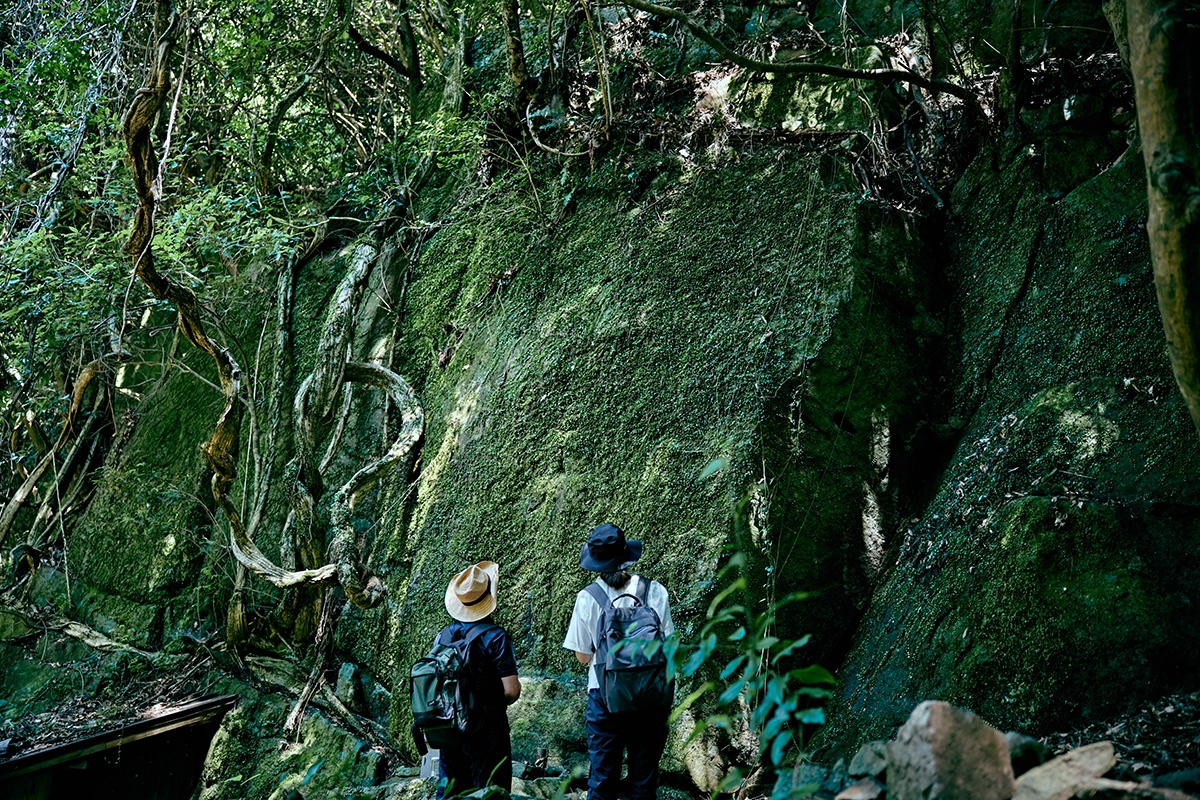
Situated in a lush valley, Pura Gunung Kawi is an ancient temple complex that features impressive rock-cut shrines believed to date back to the 11th century. The temple is dedicated to the kings and queens of Bali, and the serene atmosphere is perfect for quiet reflection. As you descend the steps into the valley, the sound of flowing water and the sight of rice paddies create a calming backdrop for your spiritual journey. Don’t forget to explore the nearby lush gardens and enjoy the breathtaking views!
Pura Taman Ayun: A Royal Water Temple
Located in Mengwi, Pura Taman Ayun is a stunning water temple surrounded by beautiful gardens and fish ponds. This UNESCO World Heritage site is known for its impressive architecture, featuring multi-tiered shrines that rise majestically against the backdrop of lush greenery. The temple is a fantastic spot for a peaceful stroll, and its tranquil setting makes it an ideal place for contemplation during Nyepi. Take your time to appreciate the intricate carvings and serene atmosphere.
Visiting these lesser-known temples not only enriches your experience but also helps you connect with the spiritual essence of Bali. Each temple has its own story, and exploring them can provide you with a deeper understanding of Balinese culture and traditions.
Day-by-Day Itinerary for Temple Hopping During Nyepi
Planning your temple hopping adventure around Nyepi? Here’s a suggested itinerary to help you make the most of your spiritual journey:
Day 1: Arrival and Tanah Lot Temple
Kick off your temple hopping experience with a visit to Tanah Lot, especially if you can catch the sunset! The views are absolutely magical, and it sets the perfect tone for your spiritual journey. Afterward, unwind at a nearby café and enjoy some local delicacies.
Day 2: Tirta Empul and Ubud
Start the day early at Tirta Empul to participate in the purification rituals. You’ll feel rejuvenated after cleansing in the holy waters! In the afternoon, explore the charming town of Ubud, where you can visit art galleries or take a stroll through the famous Ubud Monkey Forest.
Day 3: Uluwatu and Kecak Dance
Head to Uluwatu Temple for a day filled with culture and stunning ocean views. Be sure to stay for the Kecak dance performance at sunset, where the combination of music, dance, and storytelling will leave you mesmerized.
Day 4: Hidden Gems and Taman Ayun
Dedicate this day to exploring the hidden gems like Pura Gunung Kawi and Pura Taman Ayun. Enjoy the tranquility of these lesser-known sites and soak in the beauty of nature surrounding them.
Day 5: Nyepi Day Reflection
On Nyepi, embrace the silence. Spend your day reflecting, meditating, and enjoying the peaceful atmosphere. Many temples will be open for quiet visits, offering a unique opportunity to connect with the spiritual heart of Bali.
Remember to respect local customs and participate in the rituals as much as possible. This itinerary not only allows you to explore Bali’s rich spiritual heritage but also encourages deeper connections with its culture.
Fun Facts About Nyepi and Balinese Temples
Did you know that Nyepi is not just a day of silence, but also a time for self-reflection and renewal? Here are some fun facts that might surprise you:
- Ogoh-Ogoh: The day before Nyepi, the island comes alive with the Ogoh-Ogoh Festival, where giant effigies representing evil spirits are paraded through the streets and then burned to symbolize the cleansing of negativity.
- Unique Customs: During Nyepi, even the airport closes, and no flights are allowed in or out of Bali, making it a truly unique experience for travelers.
- Architectural Marvels: Many Balinese temples are built using local materials and reflect the island’s rich architectural heritage, showcasing intricate carvings and stunning designs.
These fun facts not only highlight the cultural significance of Nyepi but also showcase the beauty and artistry of Balinese temples. Each temple holds stories that have been passed down through generations, making them an essential part of Indonesia’s spiritual landscape.
Culinary Deep Dive: Traditional Balinese Cuisine Near Temples
Temple hopping is not just about spirituality; it’s also an opportunity to indulge in the delicious flavors of Balinese cuisine! Here are some must-try dishes you can savor near the temples:
1. Nasi Campur
This mixed rice dish is a staple in Balinese cuisine. It typically includes a variety of side dishes such as grilled chicken, fried tempeh, and spicy sambal. You can find it in many warungs (local eateries) near the temples, making it a perfect meal after a day of exploration.
2. Babi Guling
For the meat lovers, Babi Guling (suckling pig) is a must-try! This dish is often served during special occasions and is known for its crispy skin and flavorful spices. You can find it in restaurants near Ubud and Tanah Lot.
3. Sate Lilit
This traditional Balinese satay is made from minced meat mixed with grated coconut and spices, wrapped around bamboo sticks and grilled to perfection. It’s a delicious snack to enjoy while exploring the temple grounds.
Don’t forget to wash it all down with a refreshing Es Campur (mixed ice dessert) or a cup of traditional Balinese coffee. Eating local dishes not only satisfies your taste buds but also connects you to the culture of the island.
Festivals and Events Surrounding Nyepi
Nyepi is not just a day of silence; it’s surrounded by a vibrant tapestry of festivals that highlight the rich cultural heritage of Bali. One of the most exciting events is the Ogoh-Ogoh Festival.
During this festival, locals create intricate and colorful effigies, representing evil spirits, which are paraded through the streets in lively processions. The atmosphere is electric, filled with music and dance, as the community comes together to celebrate. This vibrant celebration culminates in the burning of the Ogoh-Ogohs, symbolizing the purification of the island.
Other cultural festivals related to Hinduism in Indonesia include the Galungan and Kuningan festivals, which celebrate the victory of dharma (goodness) over adharma (evil). These celebrations often involve temple ceremonies, traditional music, and local delicacies.
Experiencing these festivals provides a deeper insight into the spiritual practices and communal bonds that shape Balinese culture. Make sure to check the local calendar for festival dates during your visit!
Practical Information for Travelers: Tips for a Smooth Experience
To make the most of your temple hopping adventure, here are some practical tips:
- Dress Code: When visiting temples, modest attire is a must. Sarongs and sashes are often provided at temple entrances, but it’s a good idea to bring your own.
- Opening Hours: Most temples are open daily, but some may have restricted hours during Nyepi. Always check ahead to avoid disappointment.
- Transportation: During Nyepi, transportation options are limited. Consider renting a scooter or hiring a driver for the days leading up to the festival.
Being respectful of local customs and traditions will enhance your experience and allow you to connect more deeply with the spiritual essence of Bali.
Embracing Sustainability: Responsible Tourism in Sacred Sites
As you explore Bali’s sacred sites, it’s essential to consider the impact of your visit on the environment and local communities. Here are some tips for responsible tourism:
- Leave No Trace: Always clean up after yourself and avoid littering in temple areas.
- Support Local Artisans: Purchase souvenirs from local artisans rather than mass-produced items to help sustain the community.
- Participate in Eco-Tours: Choose eco-friendly tours that promote conservation and respect for Bali’s cultural heritage.
By being a responsible traveler, you contribute to the preservation of Bali’s cultural and natural beauty, ensuring that future generations can enjoy these sacred sites.
Outdoor Activities and Spiritual Experiences in Bali
Bali is not just about temples; it’s also a haven for outdoor enthusiasts! Consider incorporating some outdoor activities into your spiritual journey:
Meditation Retreats
Join a meditation retreat near Ubud, where you can immerse yourself in mindfulness practices and connect with your inner self. Many retreats offer stunning views of rice paddies and tranquil settings, making them perfect for spiritual rejuvenation.
Nature Walks
Explore Bali’s lush landscapes through guided nature walks. These excursions often lead to hidden waterfalls and scenic viewpoints, allowing you to connect with nature while enjoying the island’s natural beauty.
Combining outdoor activities with temple visits can deepen your spiritual journey and provide a holistic experience of Bali’s enchanting environment.
Shopping Guide: Souvenirs and Local Crafts from Temple Areas
As you explore the temples, don’t forget to pick up some unique souvenirs to remember your trip! Here are some shopping tips:
1. Handcrafted Offerings
Look for beautifully crafted offerings, such as canang sari (small woven baskets filled with flowers and incense) that are used in daily rituals. They make lovely keepsakes and support local artisans.
2. Batik Textiles
Bali is famous for its batik textiles, which come in various colors and designs. You can find stunning scarves, sarongs, and home décor items in local markets near temples.
3. Wooden Carvings
Don’t miss out on the intricate wooden carvings that reflect Balinese culture. From masks to sculptures, these handcrafted pieces make for fantastic gifts and decor.
Shopping for local crafts not only supports the community but also allows you to take a piece of Bali’s rich culture home with you!
Transportation Details: Getting Around Bali During Nyepi
Getting around Bali during Nyepi can be a bit tricky, as transportation options are limited. Here are some tips to help you navigate:
- Plan Ahead: Make sure to arrange your transportation before Nyepi, as taxis and ride-sharing services will not operate on the day of silence.
- Rent a Scooter: Renting a scooter is a popular way to explore the island, but be cautious and follow local traffic rules.
- Hire a Driver: Consider hiring a local driver for the days leading up to Nyepi, as they can provide insights and help you navigate the best routes to the temples.
By planning ahead, you can ensure a smooth and enjoyable temple hopping experience during your visit to Bali.
Seasonal Travel Insights: Best Times to Visit Bali Temples
The best time to visit Bali’s temples largely depends on the weather and local festivals. Here are some insights to help you plan your trip:
Peak Season (July to August)
During the peak season, Bali is bustling with tourists, and temple visits can be crowded. If you prefer a quieter experience, consider visiting during the shoulder seasons (April to June and September to October).
Weather Considerations
The dry season (April to October) is ideal for temple hopping, as the weather is generally sunny and pleasant. However, the rainy season (November to March) can bring heavy showers, so be prepared for wet conditions if you choose to visit during this time.
By considering the seasonal factors, you can enhance your temple hopping experience and enjoy Bali’s sacred sites to the fullest!
Safety and Health Guidelines for Temple Hopping
Your safety and health are paramount while exploring Bali’s temples. Here are some important tips to keep in mind:
- Stay Hydrated: Bali can get hot, especially during the day. Make sure to drink plenty of water and carry a bottle with you.
- Respect Local Customs: Always be mindful of local customs and etiquette when visiting temples. This includes dressing appropriately and behaving respectfully.
- Health Precautions: Make sure to have travel insurance and check for any necessary vaccinations before your trip.
By following these guidelines, you can ensure a safe and enjoyable temple hopping adventure in Bali!
Commonly Asked Questions (FAQs) About Temple Hopping in Bali
Here are some common questions travelers have about temple hopping in Bali:
1. What should I wear when visiting temples?
Modest clothing is required. Sarongs and sashes are often provided at temple entrances, but it’s good to bring your own.
2. Are there entrance fees for temples?
Most temples charge a small entrance fee, which helps with maintenance and preservation. Always carry some cash!
3. Can I take photos inside the temples?
Photography is usually allowed, but be respectful and check for signs indicating restrictions. Some ceremonies may have specific rules.
These FAQs can help clarify any uncertainties you may have and ensure a smooth temple hopping experience!
As you explore the spiritual wonders of Bali during Nyepi, remember that each temple visit is not just a journey through history and culture, but also a personal pilgrimage towards inner peace and reflection. Embrace the serene beauty of the island’s sacred sites, savor the delicious local cuisine, and immerse yourself in the vibrant festivals that celebrate Balinese Hindu culture. Whether you’re seeking spiritual renewal or simply looking to soak in the breathtaking landscapes, Bali’s temples offer a transformative experience that resonates long after your visit. Happy travels!