Day 1: History
Morning: The Majestic Borobudur Temple
Start your Yogyakarta adventure with a visit to the Borobudur Temple, the world’s largest Buddhist temple and a UNESCO World Heritage Site. This magnificent structure, built in the 9th century, is adorned with intricate stone carvings that depict Buddhist teachings.
Address: Borobudur, Magelang, Central Java, Indonesia
Opening Hours: 6:00 AM – 4:30 PM
Tip: Arrive early to catch the sunrise over the temple, a truly breathtaking experience that offers great photography opportunities.
Lunch: Traditional Javanese Cuisine
After exploring Borobudur, head back to Yogyakarta to savor some traditional Javanese cuisine. For an authentic dining experience, visit Bale Raos, located near the Sultan’s Palace.
Address: Jl. Magangan Kulon No.1, Panembahan, Kecamatan Kraton, Kota Yogyakarta
Afternoon: Discover the The Royal Palace of Yogyakarta (Kraton)
Next up on your Yogyakarta cultural tour is the Royal Palace of Yogyakarta (Kraton). This opulent palace complex serves as the cultural heart of Yogyakarta and the residence of the Sultan and his family. Explore the various pavilions, museums, and courtyards that showcase Javanese craftsmanship and history.
Address: Jalan Rotowijayan Blok No. 1, Panembahan, Kraton, Yogyakarta
Opening Hours: 8:30 AM – 2:30 PM (Closed on Mondays)
Tip: Don’t miss the traditional performances held in the palace, such as Gamelan music and classical Javanese dance.
Evening: Stroll along Malioboro Street
Conclude your first day in Yogyakarta with a leisurely stroll along Malioboro Street, the city’s main shopping street. This bustling area is filled with shops, street vendors, and eateries. It’s the perfect place to shop for souvenirs, including Batik fabric and handicrafts.
Highlights: Pasar Beringharjo (traditional market), Jalan Malioboro night market, street food vendors.
Accommodation Options
Return to your hotel for a restful night. Here are some recommended places to stay in Yogyakarta:
Day 2: Temples and Traditions
Morning: Marvel at Prambanan Temple
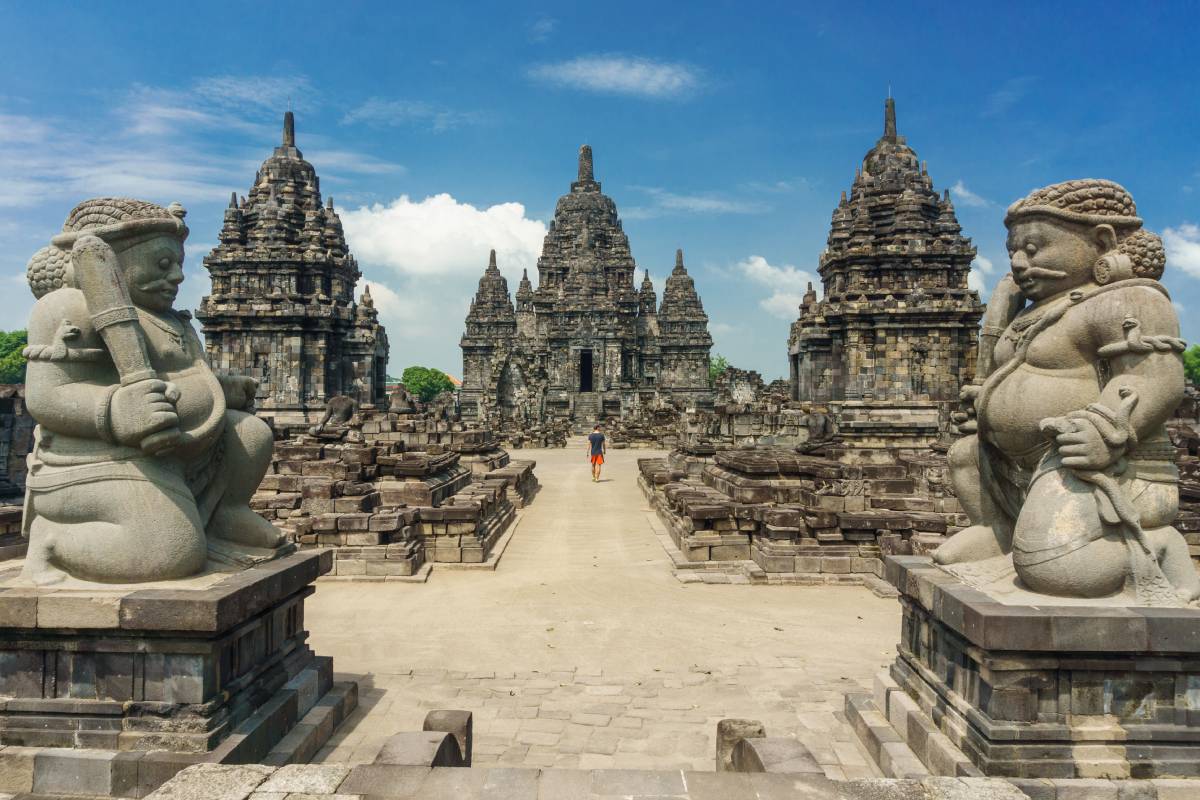
Start your second day with a visit to the Prambanan Temple, another UNESCO World Heritage Site. This Hindu temple complex dates back to the 9th century and is renowned for its towering spires and elaborate carvings depicting the Ramayana epic.
Address: Jalan Raya Solo – Yogyakarta No.16, Kranggan, Bokoharjo, Prambanan, Sleman, Yogyakarta
Opening Hours: 6:30 AM – 5:00 PM
Tip: Hire a local guide to learn about the history and significance of the temple and the stories behind the intricate carvings.
Lunch: Local Delicacies at Prambanan Complex
Within the Prambanan Temple complex, you’ll find several eateries where you can sample local delicacies. Try dishes like Pecel Lele (fried catfish) and Mie Goreng (fried noodles).
Afternoon: Taman Sari Water Castle
After lunch, head back to Yogyakarta city to explore the Taman Sari Water Castle. This historical royal garden was once a recreational retreat for the Sultan and his family. The site features pools, water gardens, and pavilions that reflect the blend of Javanese and Portuguese architectural styles.
Address: Patehan, Kraton, Yogyakarta
Opening Hours: 9:00 AM – 3:00 PM
Tip: Wander through the underground tunnels and chambers to experience the full grandeur of this historical site.
Evening: Explore Kota Gede
Spend your evening in Kota Gede, the old capital of the Mataram Sultanate. Famous for its silver workshops, this area offers a glimpse into traditional Javanese life. You can visit a few of the silver artisans to see the intricate process of silver craftsmanship.
Dining: Traditional Javanese Dinner
For dinner, treat yourself to a meal at Sasanti Restaurant, known for its traditional Javanese cuisine served in a beautiful setting.
Address: Jalan Palagan Tentara Pelajar No.52, Sleman, Yogyakarta
Day 3: Nature, Art, and Markets
Morning: Sunrise at Mount Merapi
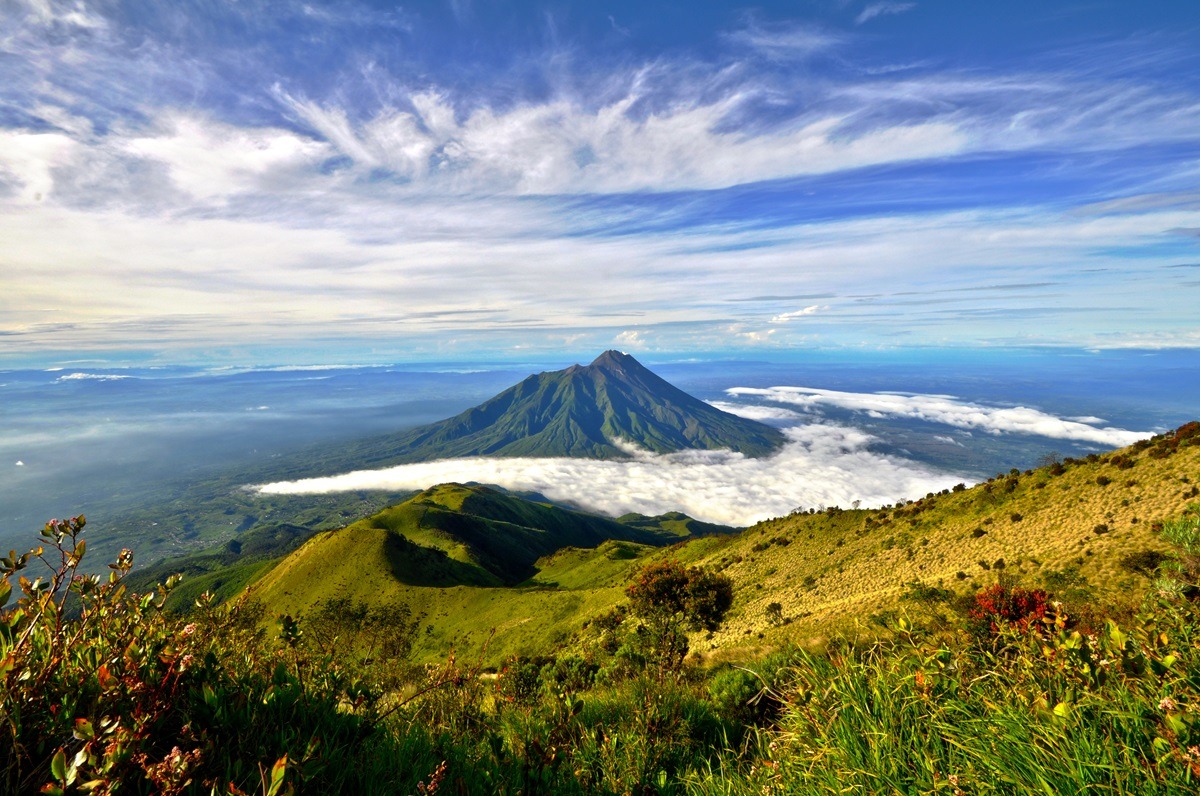
Begin your final day in Yogyakarta with an early morning trek to witness the sunrise at Mount Merapi, one of Indonesia’s most active volcanoes. The stunning views and serene atmosphere make it a memorable experience.
Tips:
- Arrange for a guided tour for safety and the best viewing spots.
- Wear appropriate hiking gear and bring plenty of water.
Late Morning: Traditional Art at Batik Workshop
After your trek, head to one of Yogyakarta’s famous Batik workshops to learn about this traditional Javanese art form. Many workshops offer classes that allow you to create your own Batik piece to take home as a souvenir.
Suggested Workshop: Batik Plentong
Address: Jalan Tirtodipuran No. 48, Mantrijeron, Yogyakarta
Activity Time: Approximately 2-3 hours
Lunch: Local Flavors at Pasar Beringharjo
For lunch, visit Pasar Beringharjo, Yogyakarta’s largest traditional market. Here, you can sample an array of local dishes from various food stalls and shop for Batik clothing, traditional herbs, and souvenirs.
Afternoon: Museum Sonobudoyo
Spend your afternoon at Museum Sonobudoyo, which houses an extensive collection of Javanese artifacts, including traditional puppets, masks, weapons, and textiles. The museum provides insight into the region’s rich cultural heritage.
Address: Jalan Trikora No.6, Yogyakarta
Opening Hours: 8:00 AM – 8:00 PM
Tip: Check out the museum’s schedule for traditional puppet shows (Wayang kulit) that are performed in the evening.
Evening: Relax at Alun-Alun Kidul
Wrap up your Yogyakarta itinerary with a relaxing evening at Alun-Alun Kidul (Southern Square). This popular gathering spot is famous for its twin banyan trees, which local legends say you can’t walk between if your eyes are closed, unless you have pure intentions. The area comes alive with various food stalls, lighted pedal cars, and street performances.
Address: Panembahan, Kraton, Yogyakarta
Conclusion: Experience the Magic of Yogyakarta
Your 3-day journey through Yogyakarta offers a perfect blend of cultural, historical, and natural attractions that will leave you deeply impressed by the rich heritage of this marvelous city. From the majestic temples of Borobudur and Prambanan to the vibrant streets of Malioboro, Yogyakarta has something for every traveler.
We hope this itinerary helps you make the most of your visit to Yogyakarta. Safe travels and enjoy every moment of your adventure!