Welcome to an unforgettable journey through Japan’s most enigmatic and serene temples. From the bustling streets of Tokyo to the tranquil gardens of Kyoto, Japan’s temples offer a window into the nation’s rich cultural and spiritual heritage. Whether you’re a history buff, a spiritual seeker, or simply a traveler in search of awe-inspiring beauty, Japan’s temples are sure to captivate and inspire you.
The Significance of Temples in Japanese Culture
Temples in Japan are more than just places of worship. They are integral to the cultural and historical fabric of the nation. With their roots deeply planted in Buddhism and Shintoism, Japanese temples are sanctuaries that offer a respite from the hustle and bustle of daily life. They are often set in picturesque landscapes, featuring meticulously maintained gardens, tranquil ponds, and centuries-old architecture.
Iconic Temples to Visit
Kinkaku-ji (The Golden Pavilion) – Kyoto
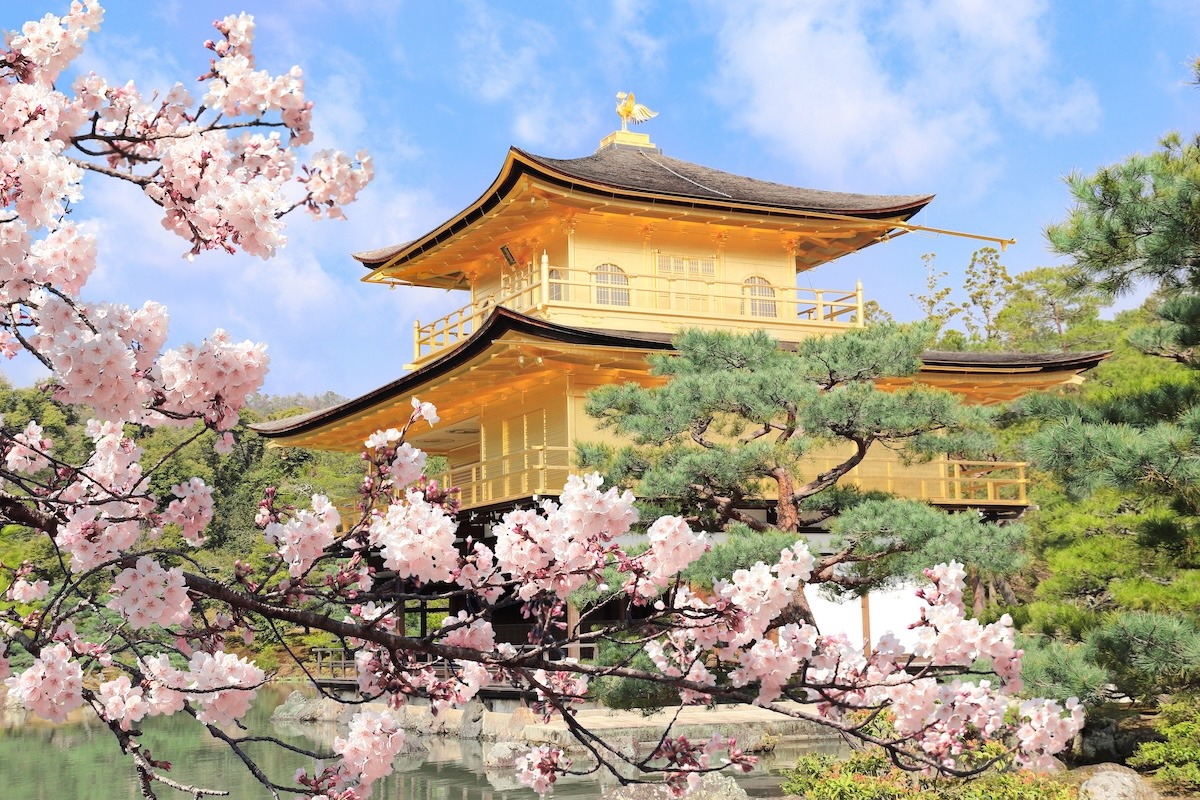
Kinkaku-ji, also known as the Golden Pavilion, is one of the most famous temples in Japan. Located in Kyoto, this Zen Buddhist temple is renowned for its stunning architecture, featuring a top two stories covered in gold leaf. The temple is surrounded by a beautiful garden that mirrors the grandeur of the pavilion, creating a picturesque scene that is particularly breathtaking during the autumn foliage season.
Senso-ji – Tokyo
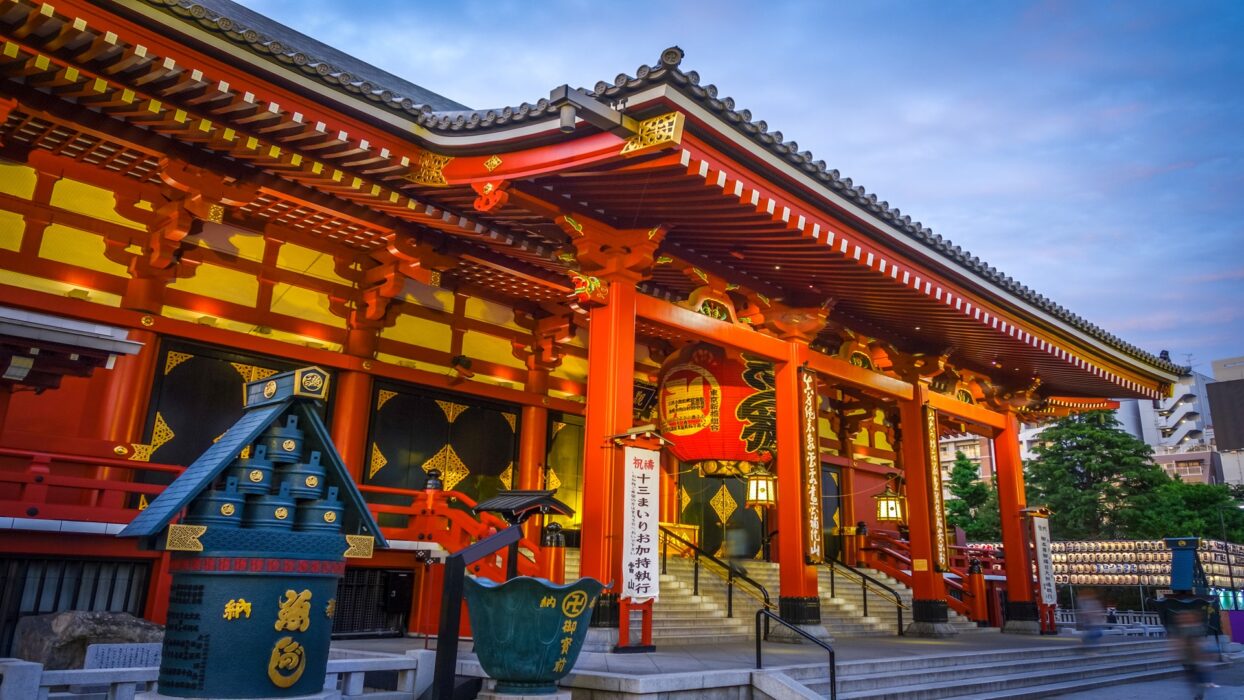
Senso-ji is Tokyo’s oldest temple and one of the most significant landmarks in the city. This Buddhist temple, located in the Asakusa district, attracts millions of visitors each year. The vibrant and bustling streets leading up to the temple are lined with shops selling traditional snacks and souvenirs, offering a lively introduction to Japanese culture. The temple’s impressive gate, Kaminarimon, and the five-story pagoda add to its charm and historical significance.
Fushimi Inari Shrine – Kyoto
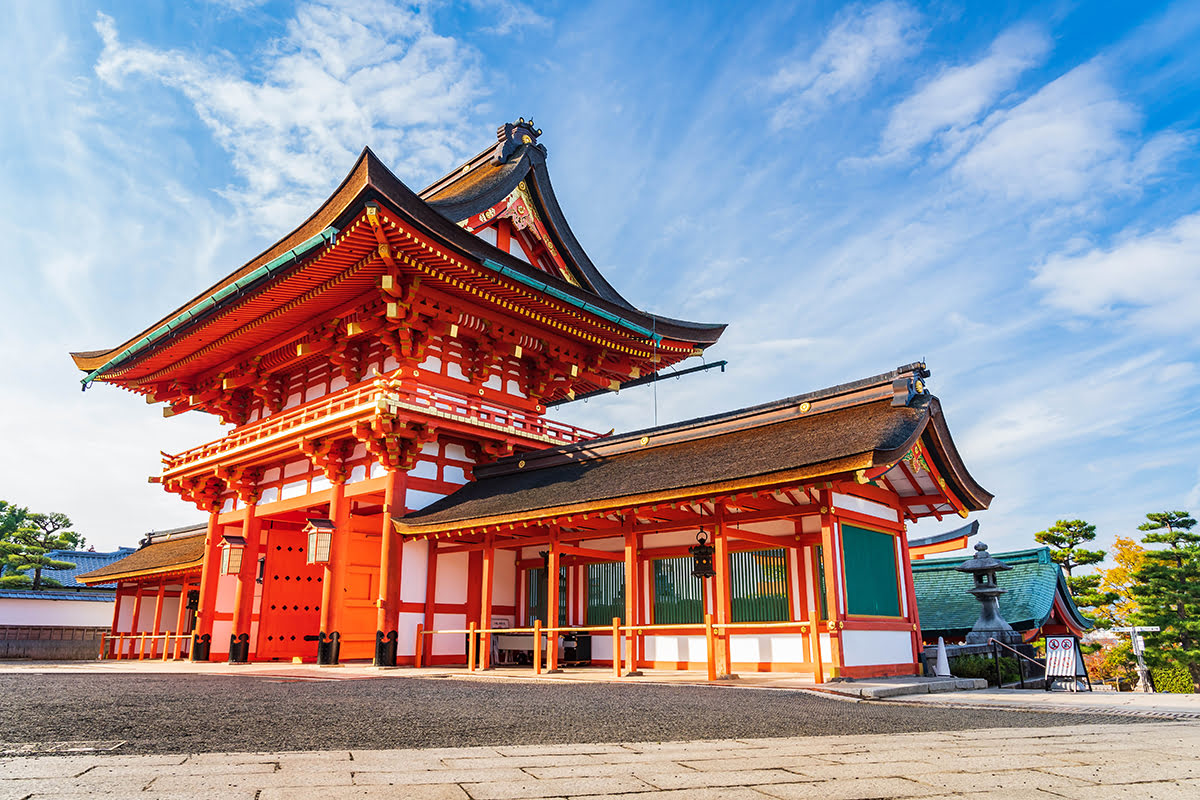
Though technically a Shinto shrine, Fushimi Inari Taisha is often included in lists of must-visit temples due to its cultural importance. Famous for its thousands of red torii gates that form a winding path through the forested slopes of Mount Inari, this shrine is dedicated to Inari, the Shinto god of rice. Visitors can hike through the torii gate trails, which offer a combination of spiritual reverence and natural beauty.
Day-by-Day Itinerary for a Temple Tour
Day 1: Tokyo – Senso-ji and Meiji Shrine
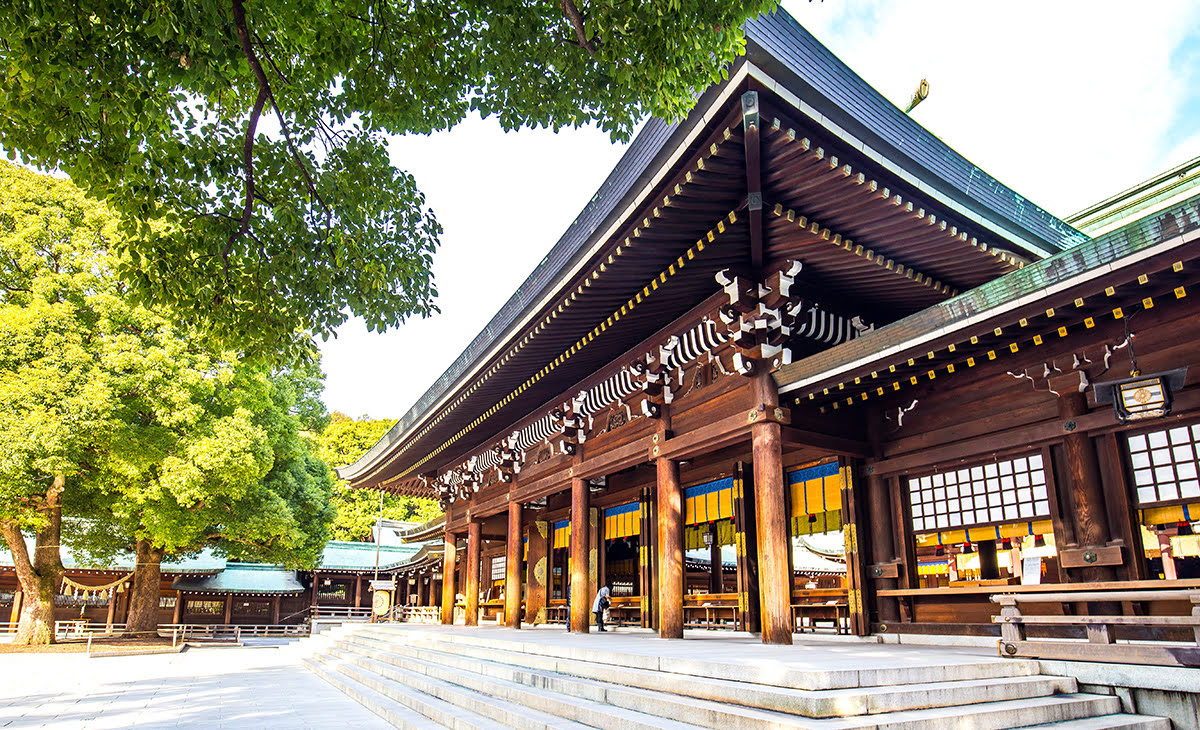
Your journey begins in the bustling metropolis of Tokyo. Start with a visit to Senso-ji in Asakusa, exploring the temple grounds and enjoying the vibrant Nakamise Shopping Street. In the afternoon, head to Meiji Shrine, a peaceful Shinto shrine dedicated to Emperor Meiji and Empress Shoken. Surrounded by a vast forest, Meiji Shrine offers a serene escape from the city’s hustle and bustle.
Day 2: Kamakura – The Great Buddha and Hokoku-ji
On your second day, take a short train ride from Tokyo to Kamakura, a city known for its historical temples and beautiful beaches. Start your morning at the Kotoku-in Temple to see the Great Buddha of Kamakura, a magnificent bronze statue that stands at over 13 meters tall. Afterward, visit Hokoku-ji Temple, famous for its serene bamboo grove. Enjoy a cup of matcha tea in the temple’s tea house while taking in the tranquil surroundings.
Day 3: Kyoto – Kinkaku-ji, Ryoan-ji, and Ninna-ji
Travel to Kyoto, the cultural heart of Japan. Begin your day at Kinkaku-ji (the Golden Pavilion), then head to Ryoan-ji to see its famous Zen rock garden. In the afternoon, spend time at Ninna-ji, a UNESCO World Heritage site known for its beautiful cherry blossom trees and historic pagoda.
Day 4: Kyoto – Fushimi Inari Shrine and Tofuku-ji
Start your day early at Fushimi Inari Shrine to avoid the crowds. Walk through the iconic red torii gates and hike to the summit of Mount Inari for a stunning view of Kyoto. In the afternoon, visit Tofuku-ji, one of Kyoto’s great Zen temples, known for its beautiful gardens and historic buildings.
Day 5: Nara – Todai-ji and Kasuga Taisha
On the fifth day, take a short train ride to Nara. Start with Todai-ji, home to the world’s largest bronze statue of the Buddha Vairocana. Don’t miss the Nandaimon Gate, with its impressive statues of guardian deities. Afterward, visit Kasuga Taisha, a Shinto shrine famous for its many lanterns. Stroll through Nara Park, where you can see friendly deer that roam freely around the area.