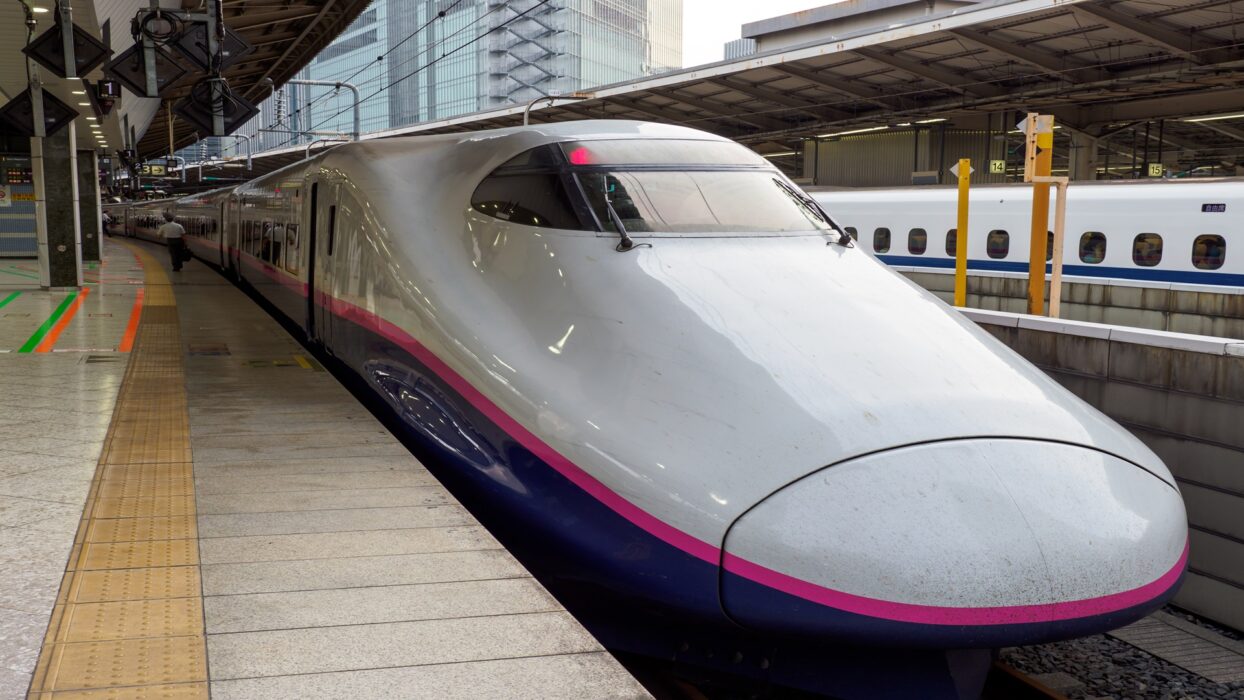
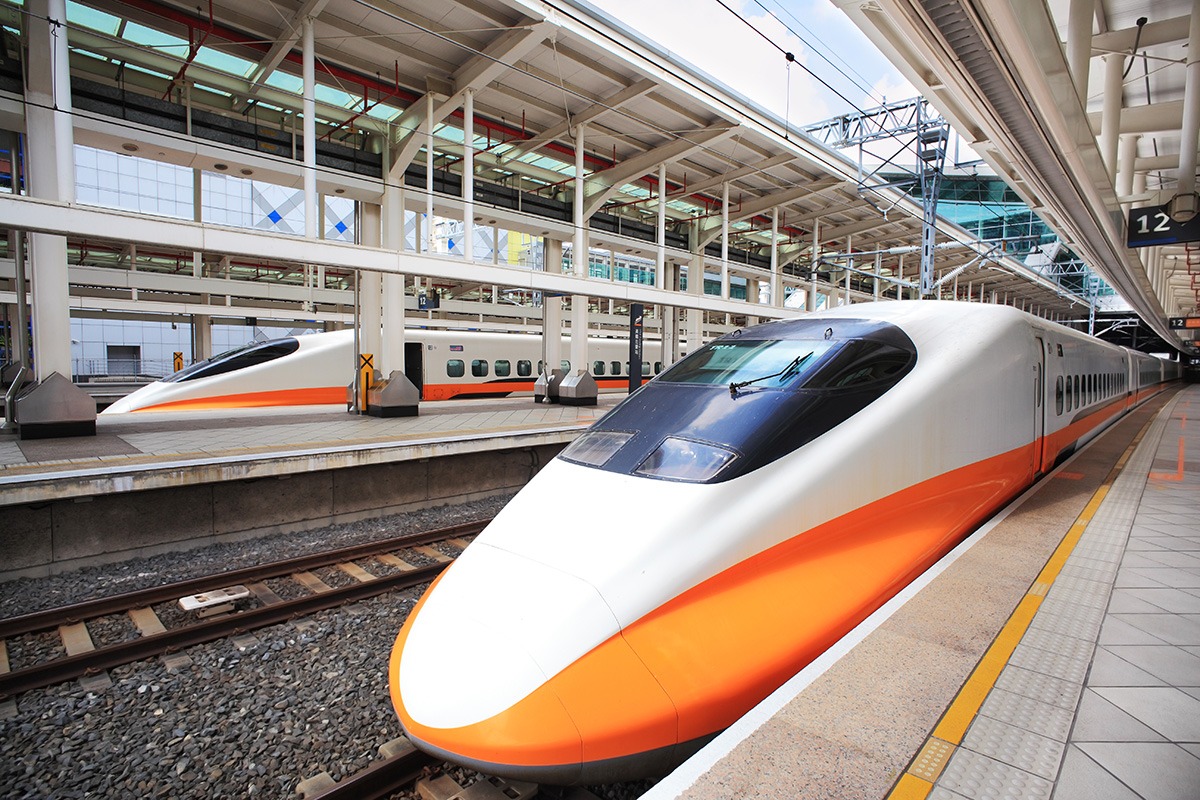
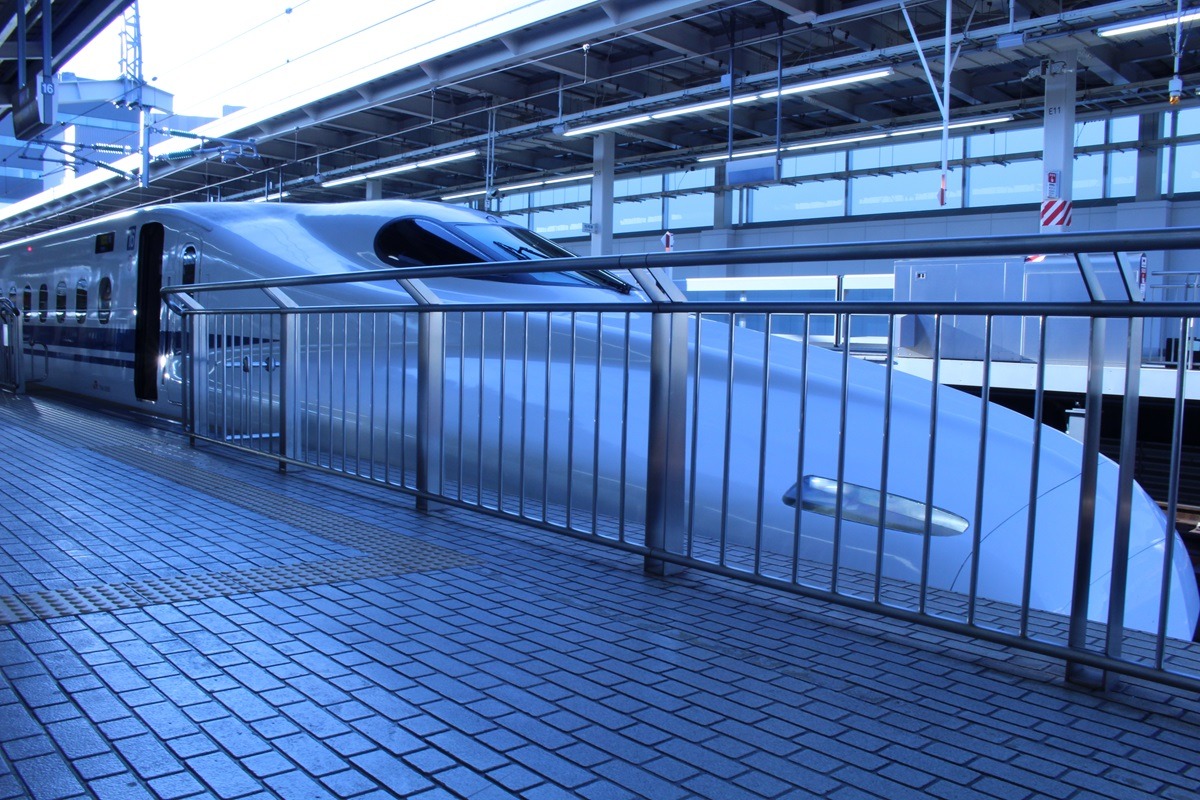
Japan’s Shinkansen, also known as the bullet train, is one of the country’s most iconic and efficient modes of transportation. With speeds reaching up to 320 km/h, these high-speed trains connect major cities, offering a swift and comfortable travel experience. Whether you’re a first-time visitor or a seasoned traveler, this guide will provide you with everything you need to know about riding the Shinkansen, from ticket booking to onboard tips.
Overview of the Shinkansen
The Shinkansen network covers a vast area of Japan, spanning from the northern island of Hokkaido to the southernmost part of Kyushu. Known for their punctuality, comfort, and speed, Shinkansen trains offer a reliable and scenic way to explore Japan’s diverse landscapes.
Types of Shinkansen Trains
The Shinkansen network consists of several types of trains, each serving different routes and offering varying levels of speed, comfort, and amenities. Here are the main types of Shinkansen trains you may encounter:
Nozomi Shinkansen
The Nozomi Shinkansen is the fastest service on the Tokaido and Sanyo lines, connecting major cities like Tokyo, Kyoto, Osaka, and Fukuoka with minimal stops. If you’re looking to travel quickly between these key destinations, the Nozomi is your best option.
Hikari Shinkansen
The Hikari Shinkansen is slightly slower than the Nozomi but still offers a fast and efficient service. It stops at more stations along the Tokaido and Sanyo lines, making it a popular choice for travelers with a Japan Rail Pass, as the Nozomi service is not covered by the pass.
Kodama Shinkansen
As the slowest service on the Tokaido and Sanyo lines, the Kodama Shinkansen stops at all stations, providing an opportunity to explore smaller cities and towns along the route. It’s an excellent choice for travelers with more time to spare who wish to experience more of Japan’s local culture.
Other Shinkansen Services
In addition to the Tokaido and Sanyo lines, other key Shinkansen services include the Tohoku, Hokuriku, Joetsu, and Kyushu Shinkansen networks, each serving different regions of Japan. From the beautiful coastal views of the Hokuriku line to the historic sites along the Tohoku line, each route offers a unique travel experience.
Shinkansen Ticket Information
Booking a Shinkansen ticket is a straightforward process, but it helps to know your options and how to navigate the system. Here are the steps to get your Shinkansen ticket:
Purchasing Tickets
Tickets for the Shinkansen can be purchased online, at ticket machines, or over the counter at JR Ticket Offices (Midori-no-Madoguchi) located in most major train stations. If you prefer convenience, booking your tickets online in advance is recommended, especially during peak travel seasons.
Japan Rail Pass
The Japan Rail Pass offers excellent value for tourists traveling extensively on the Shinkansen and other JR trains. The pass is available for 7, 14, or 21 consecutive days and can only be purchased outside Japan. Note that the Nozomi and Mizuho services are partially covered by the Japan Rail Pass.
Seat Reservations
While many Shinkansen trains have unreserved seating, it’s advisable to make seat reservations during busy travel periods. Reserved seat tickets guarantee you a specific seat and ensure a more comfortable journey. Reservations can be made at the time of ticket purchase or later at any JR Ticket Office.
Ticket Prices
Ticket prices for the Shinkansen vary based on the distance traveled, service type (Nozomi, Hikari, or Kodama), and class (Ordinary, Green, or Gran Class). For example, a one-way ticket from Tokyo to Kyoto typically costs around 14,000 yen for an Ordinary class seat on the Hikari service.
Classes of Service
The Shinkansen offers different classes of service catering to various budgets and preferences. Here’s a breakdown of the classes:
Ordinary Class
The Ordinary class is the standard option on the Shinkansen and offers comfortable seating with adequate legroom. It’s an economical choice for most travelers and provides all the basic amenities needed for a pleasant journey.
Green Class
The Green class, equivalent to business class, offers more spacious seating and additional legroom, providing a premium experience for travelers willing to pay a bit more. It’s ideal for those who prefer extra comfort during their journey.
Gran Class
The Gran Class is the most luxurious option available on certain Shinkansen lines, offering top-of-the-line amenities, wider seats, and enhanced onboard services. Gran Class travelers enjoy complimentary meals, drinks, and access to exclusive facilities.
Your Shinkansen Journey: A Day-by-Day Itinerary
To help you make the most of your Shinkansen adventure, we’ve put together a sample day-by-day itinerary for a 7-day trip through Japan. Each day is themed to provide a unique cultural, culinary, or adventurous experience that showcases the best of Japan’s rich landscapes and cities.
Day 1: Arrival in Tokyo
Start your journey in Japan’s bustling capital, Tokyo. Explore famous landmarks such as the Senso-ji Temple, Tokyo Skytree, and Shibuya Crossing. For a relaxing evening, consider a dinner cruise along Tokyo Bay.
Day 2: Cultural Immersion in Kyoto
Board the Hikari Shinkansen from Tokyo to Kyoto, a journey of approximately 2 hours and 40 minutes. In Kyoto, immerse yourself in Japan’s traditional culture by visiting the famous Fushimi Inari Shrine, Kinkaku-ji (Golden Pavilion), and Gion District. Don’t miss an authentic tea ceremony experience in one of the city’s historic tea houses.
Day 3: Nature and History in Hiroshima
Take the morning Shinkansen to Hiroshima, a journey that takes about 1 hour and 40 minutes from Kyoto. Start your day with a visit to the Hiroshima Peace Memorial Park and Museum to learn about the city’s poignant history. In the afternoon, hop on a ferry to Miyajima Island to see the iconic Itsukushima Shrine and its “floating” torii gate. Spend the evening enjoying some local delicacies, including Hiroshima-style okonomiyaki.
Day 4: Culinary Adventures in Osaka
On Day 4, take the Shinkansen to Osaka, approximately a 90-minute journey from Hiroshima. Known as the “Kitchen of Japan,” Osaka is a must-visit for food enthusiasts. Start your culinary adventure at Dotonbori, famous for its neon lights and vibrant street food scene. Be sure to try local specialties like takoyaki (octopus balls) and okonomiyaki (savory pancake). In the evening, explore the Umeda district for a variety of dining options and nightlife activities.
Embarking on a journey through Japan via the Shinkansen promises an unforgettable adventure filled with rich cultural experiences, stunning landscapes, and delectable cuisine. Whether you’re zipping from the bustling streets of Tokyo to the historical wonders of Kyoto, or savoring the culinary delights of Osaka, the Shinkansen offers a unique and efficient way to explore the diverse regions of Japan.
With this comprehensive guide in hand, you’re well-equipped to navigate the Shinkansen network, plan your itinerary, and enjoy a seamless travel experience. From understanding the different types of Shinkansen trains and booking your tickets to making the most of your journey with a Japan Rail Pass, every detail has been covered to ensure you have a smooth and enjoyable ride.
So pack your bags, grab your camera, and get ready to embark on one of the world’s most iconic rail journeys. The Shinkansen awaits to whisk you away on a captivating adventure through the heart of Japan.