Welcome to Nagasaki, a city where history and culture blend seamlessly, offering travelers a unique experience that is both enriching and unforgettable. With its stunning landscapes, culinary delights, and historical landmarks, Nagasaki is a destination that beckons to be explored. In this travel guide, we’ll take you through a detailed day-by-day itinerary, ensuring you make the most of your visit to this captivating city.
Day 1: Dive into Nagasaki’s Rich History
Morning: Visit the Nagasaki Atomic Bomb Museum
Start your day with a visit to the Nagasaki Atomic Bomb Museum, a poignant reminder of the city’s wartime past. This museum provides a comprehensive look into the events leading up to the atomic bombing, the immediate aftermath, and the long-term effects on the city’s residents. The exhibits include photographs, artifacts, and personal accounts that offer a sobering but essential perspective on this tragic event.
Late Morning: Peace Park
Next, head over to the nearby Peace Park. situated just a short walk from the museum. This park is dedicated to the victims of the atomic bomb and serves as a symbol of hope and a call for global peace. The park features beautiful statues and memorials donated by countries from around the world, each conveying a message of peace and solidarity.
Lunch: Taste Local Delicacies
For lunch, indulge in some of Nagasaki’s local delicacies. Head to the bustling Nagasaki Chinatown, where you can try dishes such as champon (a hearty noodle soup with seafood and vegetables) and sara udon (crispy noodles topped with a savory sauce). These dishes reflect the city’s unique blend of Chinese and Japanese culinary influences.
Afternoon: Explore Dejima Island
In the afternoon, visit Dejima Island, an artificial island originally built to house Portuguese traders during the Edo period. This historical site offers a fascinating glimpse into Japan’s early interactions with the Western world. Explore the restored buildings, museums, and exhibits that tell the story of Dejima’s role in Japan’s trade and cultural exchange.
Evening: Enjoy the Night View from Mount Inasa
Conclude your first day with a trip to Mount Inasa. Take the Nagasaki ropeway to the summit, where you’ll be rewarded with one of the most spectacular night views in Japan. The city’s twinkling lights and the serene harbor create a magical panorama, providing the perfect end to an insightful day.
Day 2: Discovering Nagasaki’s Cultural Heritage
Morning: Glover Garden
Start your second day with a visit to Glover Garden, an open-air museum that showcases Western-style residences from the Meiji era. This beautiful garden provides stunning views of Nagasaki Harbor and offers a glimpse into the life of Thomas Glover, a Scottish entrepreneur who played a significant role in Japan’s modernization.
Late Morning: Oura Church and Dutch Slope
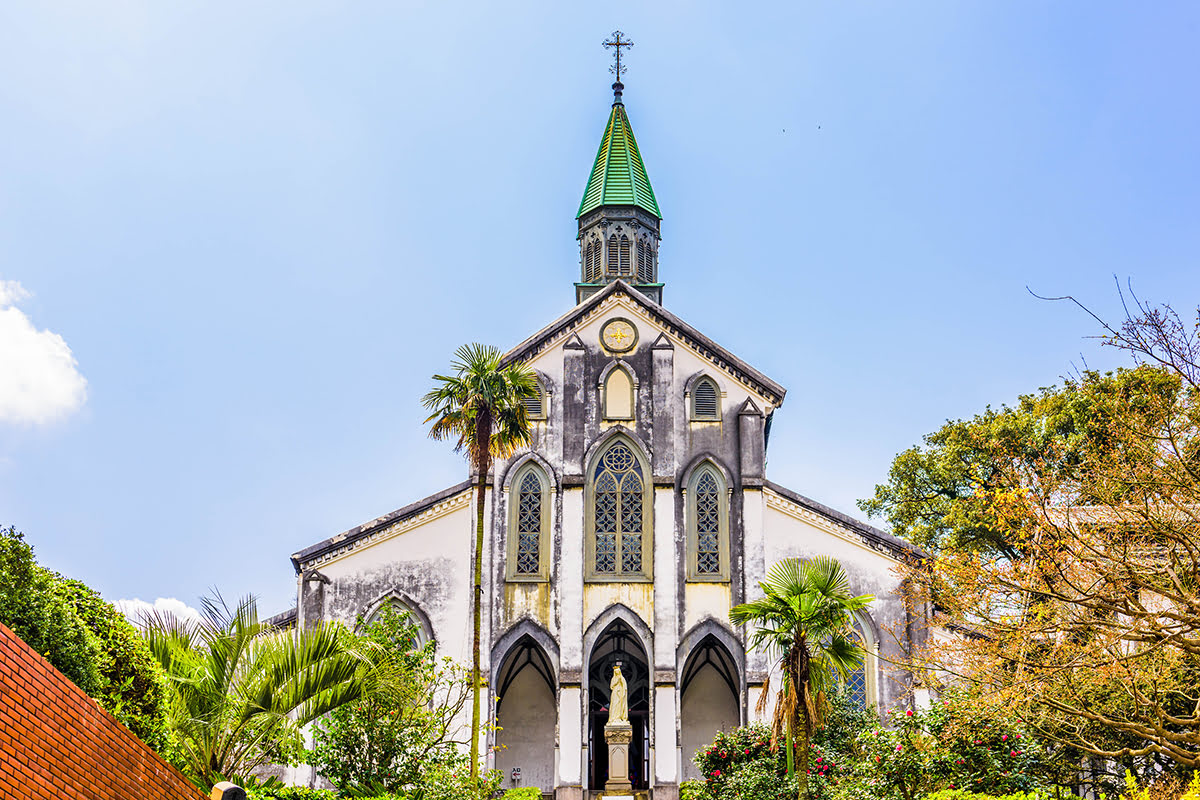
Just a short distance from Glover Garden is the historic Oura Church, Japan’s oldest standing Christian church. This iconic structure symbolizes the hidden Christian communities that existed in Nagasaki. After visiting the church, take a leisurely stroll down the Dutch Slope, an area with picturesque Western-style homes that were once the residences of foreign traders.
Lunch: Explore Local Bites
For lunch, venture to one of Nagasaki’s local markets or quaint eateries. Sample regional dishes such as castella (a type of sponge cake introduced by the Portuguese) and champon. These culinary experiences provide insight into Nagasaki’s diverse cultural influences and rich culinary heritage.
Afternoon: Suwa Shrine
In the afternoon, head to Suwa Shrine, one of Nagasaki’s most significant Shinto shrines. This sacred site is known for its vibrant festivals and beautiful architectural style. Visitors can learn about traditional Shinto practices and enjoy the peaceful surroundings of the shrine’s gardens.
Evening: Nagasaki Night Cruise
Conclude your second day with a Nagasaki night cruise along the harbor. Admire the beautifully illuminated skyline as you sail through the serene waters. This relaxing experience provides a different perspective of the city and is a perfect way to unwind after a day of exploration.
Day 3: Natural Beauty and Local Traditions
Morning: Visit the Nagasaki Penguin Aquarium
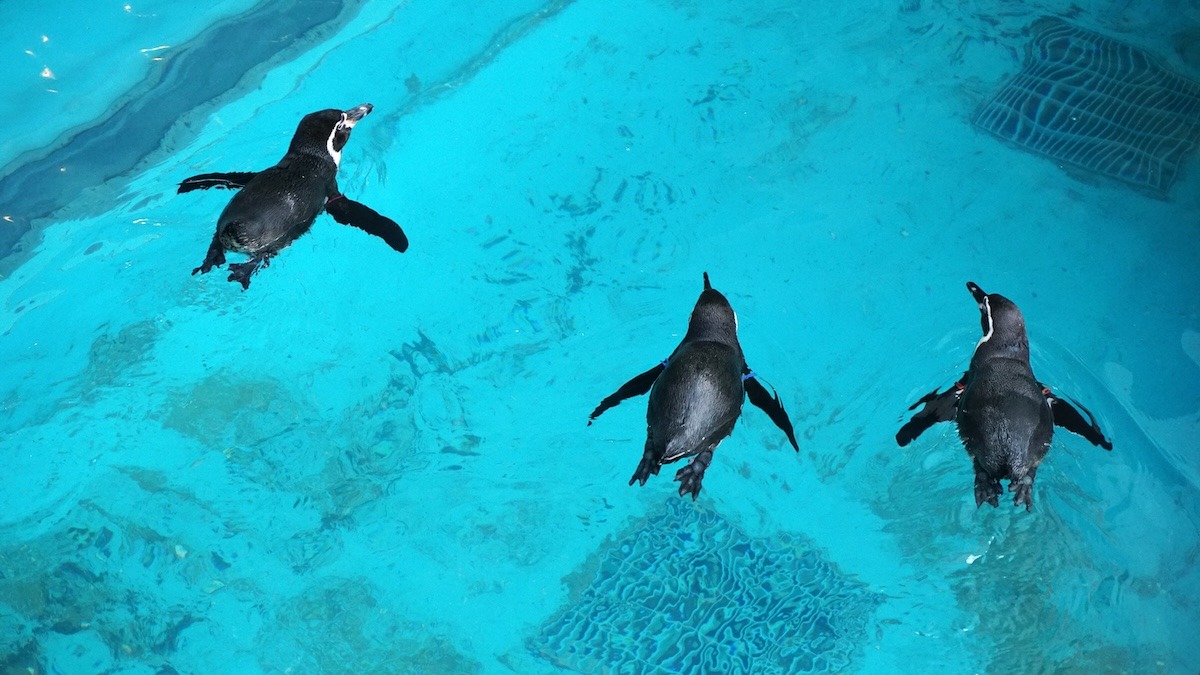
Spend your morning at the Nagasaki Penguin Aquarium. This unique attraction is home to multiple species of penguins and provides educational exhibits about their habitats and behaviors. You can also enjoy feeding sessions and watch these charming creatures up close in their naturalistic enclosures.
Late Morning: Inasayama Park
After visiting the aquarium, head to Inasayama Park. This park, located on the slopes of Mount Inasa, offers lush greenery and walking trails that provide stunning views of the city and the sea. It’s an ideal spot for some leisurely exploration and relaxation amid nature.
Lunch: Local Seafood Delights
For lunch, treat yourself to some of Nagasaki’s freshest seafood. The coastal location means that seafood is abundant and of excellent quality. Head to a local restaurant or market and try dishes like sashimi, tempura, and sushi, all made from locally sourced fish and shellfish.
Afternoon: Gunkanjima (Battleship Island)
In the afternoon, take a guided tour to Gunkanjima, also known as Battleship Island. This abandoned island once thrived as a coal mining facility and now stands as a testament to Japan’s industrial history. The island’s eerie and fascinating landscape has been featured in various films and documentaries. Guided tours will provide historical context and allow you to explore the ruins safely.
Evening: Relax in Dejima Wharf
Wrap up your third day at Dejima Wharf. This waterfront area is bustling with restaurants, cafes, and bars, offering a delightful evening setting. Enjoy a leisurely dinner with views of the harbor, indulge in some fresh seafood or international cuisine, and perhaps take a stroll along the wharf to soak in the vibrant atmosphere.
Day 4: Island Hopping Adventure
Morning: Visit Goto Islands
Begin your island hopping adventure with a visit to the Goto Islands. Known for their stunning natural beauty, these islands offer crystal clear waters, white sandy beaches, and excellent snorkeling and diving opportunities. Explore the scenic landscapes, visit local shrines, and enjoy the tranquil environment that these islands provide.
Late Morning: Ikitsuki Island
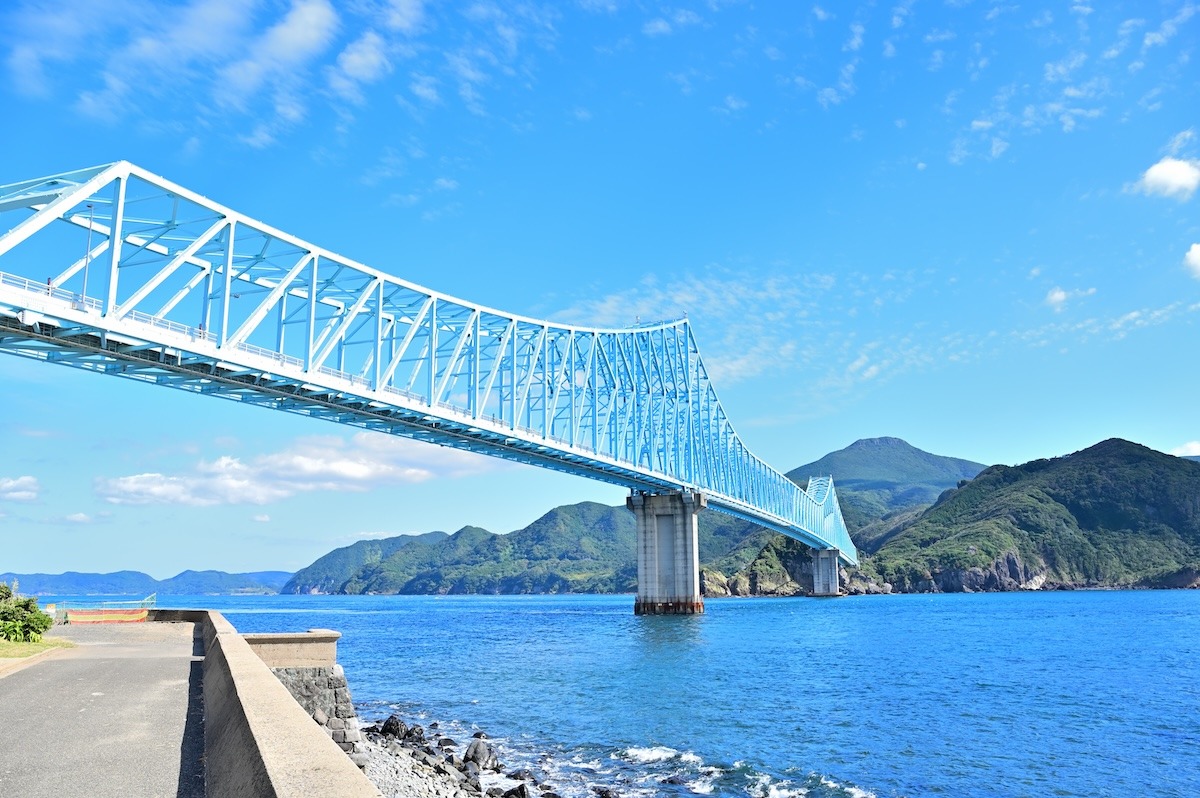
Next, head to Ikitsuki Island, famous for its dramatic cliffs and rich history. The island is home to the Ikitsuki Ohashi Bridge, one of Japan’s longest arch bridges. Visit the local museums to learn about the island’s history and culture, and take a hiking trail to enjoy breathtaking views of the coastline.
Lunch: Island Cuisine
For lunch, sample some island specialties. The Goto Islands are known for their fresh seafood, while Ikitsuki Island is famous for its beef. Enjoy a delicious meal at a local restaurant, featuring dishes prepared with locally sourced ingredients.
Afternoon: Hirado Island
In the afternoon, travel to Hirado Island. This island has a rich history as a center of trade between Japan and the West. Visit Hirado Castle, one of the island’s main attractions, and explore the historic Dutch Trading Post. The island also has beautiful beaches and hot springs to relax in.
Evening: Sunset and Dinner on the Beach
End your day with a sunset viewing on the beach. The Goto Islands are known for their stunning sunsets, providing a perfect setting for a relaxing evening. Enjoy a beachside dinner, where you can savor fresh seafood while watching the sun set over the horizon.