Celebrating Philippine Independence Day: A Festive Spirit Unleashed
Every year on June 12, the Philippines bursts into a kaleidoscope of colors, music, and heartfelt festivities as the nation celebrates Philippine Independence Day. This day marks a pivotal moment in the country’s history, commemorating the declaration of independence from Spanish rule in 1898. The significance of this day goes beyond just a historical event; it embodies the spirit of freedom, resilience, and national pride that resonates deeply within the hearts of Filipinos.
From the vibrant parades that fill the streets to the soulful renditions of the national anthem, the celebrations are a testament to the enduring spirit of the Filipino people. Whether you’re a local or a traveler eager to immerse yourself in the culture, there are countless ways to celebrate Philippine Independence. With rich traditions, delicious food, and a sense of community, this holiday offers a unique glimpse into the heart of the Philippines.
The Rich History of Philippine Independence
To fully appreciate the history of Philippine independence, one must take a step back and explore the key events that paved the way for this momentous occasion. The struggle for independence was not a solitary event; it was a series of courageous efforts by notable figures such as José Rizal, Andres Bonifacio, and Emilio Aguinaldo. Rizal’s writings ignited the flames of nationalism, while Bonifacio’s leadership in the Katipunan inspired a revolution against colonial rule.
On June 12, 1898, Aguinaldo proclaimed the Philippines’ independence in Kawit, Cavite, waving the national flag for the first time. This proclamation marked the birth of a nation, but the journey was far from over. The subsequent years were filled with challenges, including the Philippine-American War, which tested the resolve of the Filipino people. Understanding this historical context is vital as it enriches the celebrations of today, reminding us of the sacrifices made for the freedoms we enjoy.
As you prepare to join in the festivities, take a moment to reflect on the Philippine historical events that led to this day. Visiting heritage sites and museums can provide deeper insights into the struggles and triumphs that shaped the nation. For instance, a trip to the Rizal Shrine in Calamba or the Bonifacio Monument in Manila can offer a profound connection to the past, making your celebration all the more meaningful.
Festive Traditions and Customs
Philippine Independence Day is rich with traditions and customs that vary from region to region. Each locality adds its unique flavor to the celebrations, showcasing the diverse culture of the archipelago. From the grand parades in Manila featuring colorful floats and traditional dances to smaller community gatherings in the provinces, the spirit of unity and patriotism is palpable.
In many areas, you’ll find locals donning traditional attire, such as the barong tagalog for men and the terno for women, as they participate in various cultural events. Street fairs often pop up, offering a delightful array of local delicacies and handicrafts. Whether it’s the rhythmic beats of the local band or the aroma of street food wafting through the air, the atmosphere is electric with excitement.
Some regions also have unique customs, like the “Salubong” in Cebu, where participants reenact the arrival of Aguinaldo with a dramatic performance. Such local traditions highlight the rich tapestry of Filipino culture and are a fantastic way to connect with the community. This year, consider exploring these cultural events in the Philippines to experience the diverse ways Filipinos honor their independence.
Day-by-Day Itinerary for Celebrating Independence Day
Ready to immerse yourself in the festivities of Philippine Independence Day? This detailed itinerary will guide you through a week filled with historical explorations, cultural events, and culinary delights. Each day is designed to give you a taste of the vibrant spirit of the Philippines, so grab your map and let’s get started!
Day 1: Arrival and Cultural Immersion
Arrive in Manila and check into your hotel. Take some time to rest, but don’t miss out on the chance to explore the historic district of Intramuros. Here, you can visit Fort Santiago, a key historical site that played a significant role during the Spanish colonial period. As the sun sets, enjoy a traditional Filipino dinner at a local restaurant, savoring dishes like adobo and sinigang.
Day 2: Historical Sites and Flag Raising
Start your day by visiting the Rizal Shrine in Calamba, where you can learn about the life of national hero José Rizal. Afterward, head back to Manila for the official flag-raising ceremony at Rizal Park. This event is a must-see, as it marks the beginning of the Independence Day celebrations with speeches, music, and a sense of national pride.
Day 3: Parades and Community Events
Get ready for a day filled with excitement! Join the grand parade in Manila, featuring colorful floats, traditional dances, and performances that celebrate Filipino culture. After the parade, explore local community events, where you can participate in games and activities that bring everyone together. Don’t forget to try the street food—kwek-kwek (quail eggs) and halo-halo are local favorites!
Day 4: Culinary Delights
Take a break from the festivities and indulge in a culinary adventure. Join a food tour that highlights local delicacies and traditional dishes enjoyed during Independence Day. Sample lechon (roast pig) and pancit (noodles) at various eateries. This is a fantastic way to celebrate Philippine independence through its rich food culture!
Day 5: Regional Celebrations
Travel to a nearby province to experience how different regions celebrate Independence Day. For instance, Cebu is known for its “Salubong” reenactment, while Davao showcases a vibrant street festival. Engage with locals and immerse yourself in their unique customs and traditions. This is a perfect opportunity to capture stunning photos and make lasting memories.
Day 6: Nature and Heritage
Take a day to explore the natural beauty of the Philippines. Visit a national park or beach where you can relax and enjoy the outdoors. Consider going to the Banaue Rice Terraces or a nearby beach destination. In the evening, return to the city for a cultural show that highlights Filipino music and dance.
Day 7: Reflection and Farewell
On your last day, take a moment to reflect on your journey. Visit the Bonifacio Monument and learn about Andres Bonifacio’s contributions to Philippine independence. Spend your final hours shopping for souvenirs and local crafts to take home. Don’t forget to try any last-minute delicacies before heading to the airport!
Culinary Delights: Food that Celebrates Independence
Food is an integral part of any celebration, and Philippine Independence Day is no exception! From savory dishes to sweet treats, the flavors of the Philippines are sure to tantalize your taste buds. Here’s a rundown of must-try dishes during your Independence Day celebrations.
Traditional Dishes
Start with adobo, a classic Filipino dish made with marinated meat simmered in soy sauce, vinegar, and spices. Next, savor lumpiang shanghai, crispy spring rolls filled with ground pork and vegetables. For something heartier, don’t miss pancit, a stir-fried noodle dish symbolizing long life and good fortune.
Sweet Treats
Finish off your meal with a taste of ube halaya, a sweet purple yam dessert, or bibingka, a rice cake traditionally served during the Christmas season but enjoyed year-round. And of course, no celebration is complete without halo-halo, a delightful mix of shaved ice, sweet beans, fruits, and leche flan topped with ice cream!
Where to Find These Delicacies
Many local restaurants and street vendors will serve these iconic dishes during Independence Day. Be sure to check popular food spots in Manila or wherever you find yourself celebrating. Trying local delicacies is one of the best ways to celebrate Philippine independence!
Festivals and Events Across the Archipelago
The Philippines is a country of festivals, and Independence Day brings out some of the best celebrations across the archipelago. Each region has its unique flair, showcasing local traditions, food, and community spirit. Here’s a guide to some of the major events you shouldn’t miss!
Manila: The Grand Parade
Manila’s grand parade is the highlight of the Independence Day celebrations. Expect vibrant floats, marching bands, and cultural performances that reflect the rich heritage of the Philippines. It’s a fantastic way to witness the unity and pride of the Filipino people.
Cebu: Salubong
In Cebu, the “Salubong” event features a reenactment of Aguinaldo’s arrival. This dramatic performance is accompanied by music, dance, and a festive atmosphere that engages the community. Join in the fun and immerse yourself in the local culture!
Davao: Street Festivals
Davao’s Independence Day celebrations are marked by lively street festivals filled with food stalls, live performances, and cultural exhibits. This is a great opportunity to taste local dishes and engage with the friendly locals.
Local Community Events
Don’t forget to check out smaller community events happening in various provinces. These gatherings often feature traditional games, parades, and cultural performances that highlight the unique traditions of each region. Participating in these events provides a deeper connection to the local culture.
Practical Information for Travelers
As you plan your Independence Day celebrations, it’s essential to have some practical information at your fingertips. Here are a few tips to help you navigate the festivities smoothly.
Transportation Tips
Public transportation can get busy during Independence Day, especially in major cities. Consider using ride-sharing apps or booking a private car to avoid the crowds. If you’re in Manila, the MRT and LRT systems are convenient options, but be prepared for long lines.
Accommodations
Book your accommodations well in advance, as hotels fill up quickly during the holiday. Look for places that offer easy access to major events and attractions. Agoda.com is a great resource for finding the perfect place to stay!
Opening Hours
Many shops and restaurants may have altered hours during Independence Day, so check in advance. Major tourist attractions typically remain open, but it’s wise to confirm their schedules to avoid any surprises.
Engaging with Local Culture and Heritage
One of the best ways to celebrate Philippine Independence Day is by engaging with local culture and heritage. Here are some suggestions to help you connect with the community and learn more about the nation’s history.
Participate in Cultural Events
Join workshops or cultural events that showcase traditional crafts, music, and dance. Many local communities host activities that invite visitors to learn and participate, providing a unique opportunity to immerse yourself in Filipino culture.
Visit Museums and Heritage Sites
Take time to visit museums and heritage sites that highlight the rich history of the Philippines. The National Museum in Manila offers fascinating exhibits on Filipino culture and history. Exploring these sites will deepen your appreciation for the sacrifices made for independence.
Connect with Locals
Engaging with locals can enrich your experience. Strike up conversations, ask about their traditions, and share stories. Many Filipinos are proud of their heritage and love to share it with visitors. This connection can make your celebration even more memorable!
Sustainability and Conservation During Celebrations
As you enjoy the festivities, it’s essential to keep sustainability in mind. Here are some tips for celebrating responsibly during Independence Day.
Support Local Businesses
Choose to shop at local markets and eat at local restaurants to support the community. This not only helps the local economy but also provides you with authentic experiences and flavors.
Reduce Waste
Bring reusable bags, water bottles, and utensils to minimize waste during your celebrations. Many areas will have recycling bins, so be sure to dispose of your trash properly to keep the environment clean.
Participate in Clean-Up Drives
Join local clean-up drives or community efforts to keep public spaces tidy after the celebrations. Many organizations host these events, and it’s a great way to give back to the community while enjoying the holiday spirit.
Outdoor Adventures and Activities
If you’re looking to add some outdoor fun to your Independence Day celebrations, the Philippines has plenty to offer! Here are some exciting activities to consider:
Hiking and Nature Walks
Explore the breathtaking landscapes of the Philippines by hiking in national parks or nature reserves. Popular spots include Mount Pulag and the Chocolate Hills in Bohol. These adventures provide a refreshing escape and a chance to appreciate the country’s natural beauty.
Water Sports
Head to the beach for an adrenaline rush! Try surfing, snorkeling, or diving in some of the world’s most stunning waters. Spots like Siargao and Palawan are perfect for water sports enthusiasts. Enjoy the sun, sea, and sand while celebrating freedom!
Picnics and Outdoor Gatherings
Join locals for picnics in parks or beaches where families gather to celebrate Independence Day. Bring along traditional Filipino snacks and enjoy the festive atmosphere while making new friends.
Shopping for Souvenirs and Local Crafts
Don’t leave the Philippines without picking up some unique souvenirs! Here’s a guide to the best places to shop for local crafts and mementos.
Local Markets
Visit local markets where artisans sell handmade crafts, textiles, and accessories. The Greenhills Shopping Center in Manila is famous for its affordable goods, while the Sunday Market in Cebu showcases local artisans and their creations.
Traditional Crafts
Look for traditional crafts such as capiz shell products, woven textiles, and hand-carved wooden items. These pieces reflect the rich culture of the Philippines and make for meaningful souvenirs.
Support Local Artisans
By purchasing from local artisans, you contribute to the preservation of Filipino craftsmanship. Many artisans rely on the sale of their crafts to support their families, so your purchase makes a difference!
Transportation Tips for Independence Day
Getting around during the Independence Day celebrations can be a bit tricky, but with some insider knowledge, you can avoid the hassle. Here are some tips to help you navigate transportation smoothly.
Public Transport
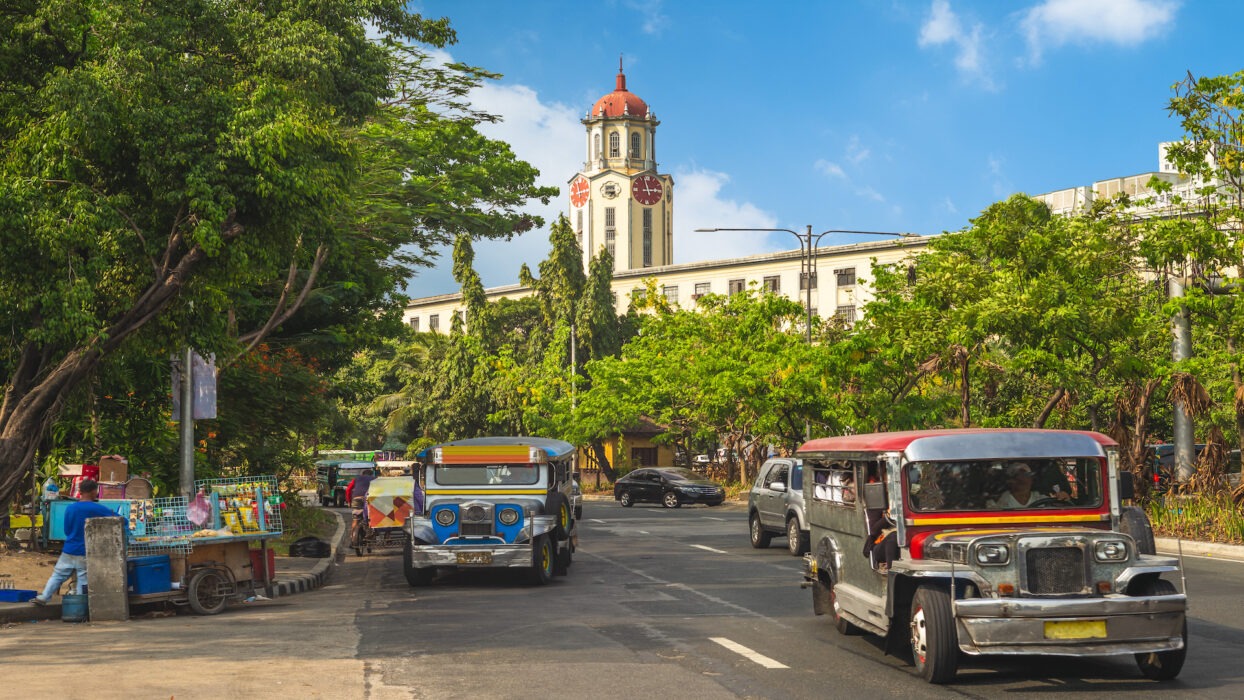
Public transport systems like jeepneys, buses, and trains can get crowded during the holiday. If you’re in Manila, consider using the MRT or LRT to avoid traffic. Just be prepared for packed trains, especially during peak times.
Ride-Sharing Services
Using ride-sharing apps can be a convenient option, especially if you want to avoid the crowd. Just keep in mind that demand will be high, so expect longer wait times during major events.
Plan Your Routes
Check the event schedules and plan your routes accordingly. Some streets may be closed for parades, so it’s wise to have alternative routes in mind. Google Maps can be a helpful tool for real-time traffic updates.
Seasonal Travel Insights
If you’re considering a trip around Independence Day, here are some seasonal insights to help you plan your visit.
Weather Considerations
June is typically warm and humid in the Philippines, with occasional rain showers. Pack lightweight clothing and be prepared for sudden downpours. An umbrella or raincoat can come in handy!
Best Times to Visit
While Independence Day is a fantastic time to visit, consider extending your trip to experience other festivals and events happening in June. The Pahiyas Festival in Lucban, Quezon, is a colorful celebration of harvest that occurs in May but is worth planning your trip around.
Safety and Health Guidelines for Travelers
Your safety and well-being are paramount during the celebrations. Here are some health and safety tips to keep in mind.
Stay Hydrated
With the warm weather, it’s essential to stay hydrated. Carry a water bottle with you, and take advantage of the many vendors selling fresh coconut water and other refreshing drinks.
Follow Local Guidelines
Be aware of any local health regulations or safety protocols in place during the celebrations. Follow guidelines to ensure a safe and enjoyable experience.
Emergency Contacts
Familiarize yourself with local emergency contacts, including hospitals and police stations. Keep a list of important numbers saved on your phone in case of emergencies.
Commonly Asked Questions (FAQs)
Here are some frequently asked questions about celebrating Philippine Independence Day to help you prepare for your trip.
What is the significance of Philippine Independence Day?
Philippine Independence Day commemorates the declaration of independence from Spanish rule on June 12, 1898. It celebrates the country’s freedom and the sacrifices made by its heroes.
How do Filipinos celebrate Independence Day?
Celebrations typically include parades, flag-raising ceremonies, cultural performances, and community events. Families often gather for meals and festivities, showcasing Filipino culture.
What are some traditional foods to try on Independence Day?
Must-try dishes include adobo, lumpiang shanghai, pancit, and sweet treats like halo-halo and bibingka. Street food is also a big part of the celebrations!
Are there any specific events I should attend?
Major events include the grand parade in Manila, regional celebrations in Cebu and Davao, and community gatherings throughout the country. Check local listings for specific activities.
Fun Facts About Philippine Independence Day
Here are some fun and interesting facts about Philippine Independence Day that will enhance your appreciation of this national holiday:
- The first Philippine flag was designed by Emilio Aguinaldo and was raised for the first time on June 12, 1898.
- Philippine Independence Day was declared a national holiday in 1962, making it an official celebration of freedom.
- The “Araw ng Kalayaan” (Day of Freedom) is celebrated not just in the Philippines but also by Filipino communities around the world.
- Each year, the celebrations have a different theme that reflects the current aspirations of the Filipino people.
Celebrating Philippine Independence Day is more than just a holiday; it’s a heartfelt expression of national pride and unity. Whether you’re joining in the parades, savoring local delicacies, or participating in community events, every moment spent in celebration is a tribute to the rich history and culture of the Philippines.