Temple Hopping in Bangkok: A Cultural Adventure Awaits
Bangkok, a city where the ancient meets the modern, is a treasure trove of cultural attractions that will leave you in awe. Among its many wonders, the stunning temples stand out, each one telling a story of Thailand’s rich heritage and architectural brilliance. From the intricate designs to the spiritual ambiance, temple hopping in Bangkok is an experience that captivates the heart and soul of every traveler. Picture yourself wandering through vibrant grounds, surrounded by the scent of incense and the sound of chanting monks, all while marveling at the golden spires that pierce the sky. This is more than just sightseeing; it’s a journey into the essence of Thai culture.
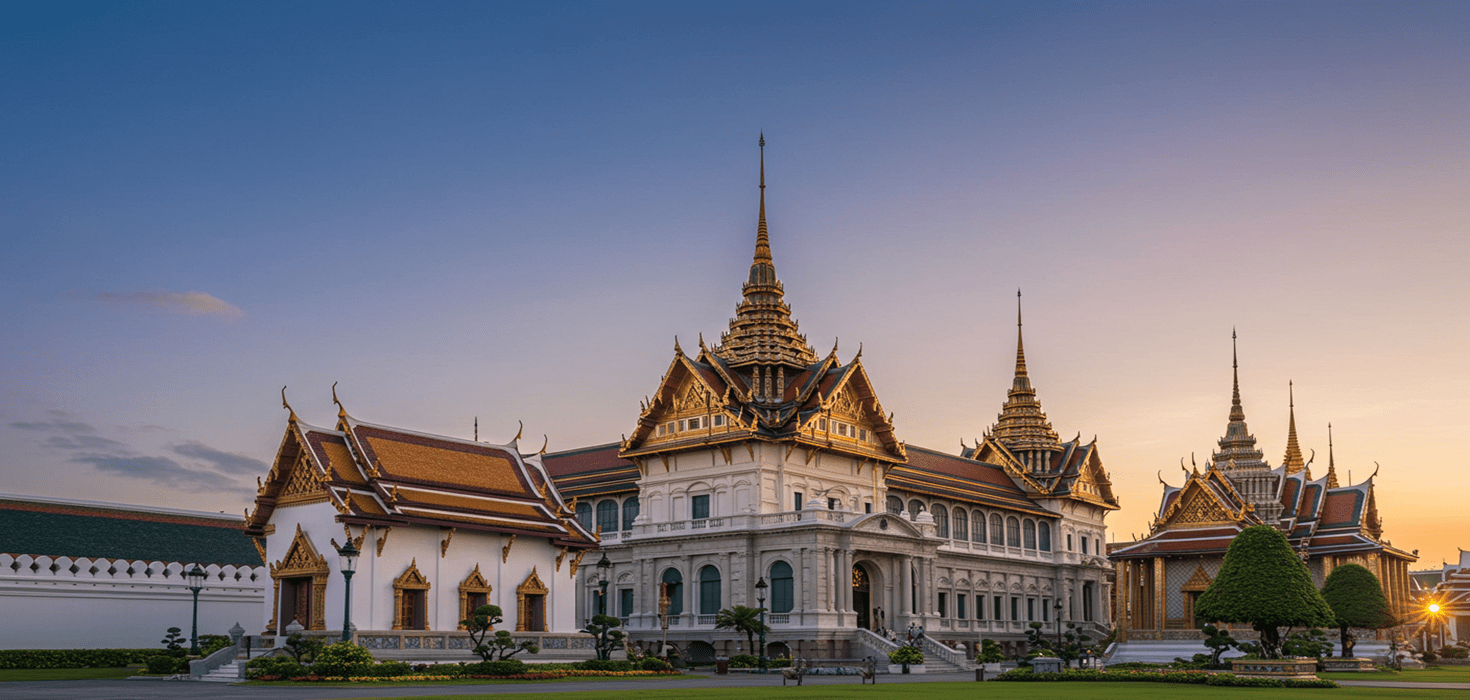
As you explore the biggest temple in Bangkok, Wat Phra Kaew, you’ll find yourself immersed in a world of history and spirituality. This iconic temple complex, located within the grounds of the Grand Palace, is home to the revered Emerald Buddha, a symbol of Thailand’s national identity. In this guide, we’ll take you through the must-see temples of Bangkok, offering insider tips and unique insights that will enhance your visit. So, grab your camera and your curiosity, and let’s set off on an unforgettable temple-hopping adventure!
Discovering Bangkok’s Biggest Temple: Wat Phra Kaew
Welcome to Wat Phra Kaew, the crown jewel of Bangkok’s religious sites! This temple, often referred to as the Temple of the Emerald Buddha, is not just the biggest temple in Bangkok; it’s also the most sacred. Built in 1782, it showcases stunning Thai architecture that features intricate details and vibrant colors. As you step through the gates, you’ll be greeted by the sight of the Emerald Buddha, a small but immensely significant statue that is draped in gold and adorned with precious jewels. This revered figure is believed to bring prosperity and protection to the country.
What makes Wat Phra Kaew truly special are the unique features that often go unnoticed by visitors. For instance, the temple grounds are filled with beautiful murals depicting the epic Ramakien, Thailand’s version of the Ramayana. These colorful paintings not only tell stories but also serve as a testament to the artistry and devotion of Thai craftsmen. Don’t forget to explore the surrounding architecture, including the stunning golden chedis that rise majestically against the backdrop of the sky. Every corner of Wat Phra Kaew offers a new perspective and a deeper appreciation for Thailand’s spiritual heritage.
While you’re here, take a moment to soak in the atmosphere. The peacefulness of the temple grounds contrasts beautifully with the lively streets outside, making it a perfect spot for reflection and admiration. If you’re curious to learn more about this magnificent temple, check out our detailed guide on how to Experience Bangkok’s Biggest Temple.
Exploring the Majestic Wat Arun: Temple of Dawn
Just a short boat ride across the Chao Phraya River lies Wat Arun, often referred to as the Temple of Dawn. This stunning temple is famous for its striking porcelain-encrusted central prang (spire), which glistens in the sunlight and creates a picturesque scene, especially at sunrise and sunset. The best time to visit is during these golden hours when the temple is bathed in warm hues, making it a photographer’s paradise. Bring your camera, as you’ll want to capture the breathtaking views!
As you wander through the temple grounds, take a moment to appreciate the intricate details of the temple’s design. The walls are adorned with colorful mosaics made from Chinese porcelain, showcasing the craftsmanship that has been preserved over centuries. Climbing to the top of the central prang offers a panoramic view of the river and the city, providing a perfect backdrop for memorable photos.
When planning your visit, consider timing your trip to coincide with the early morning or late afternoon. Not only will you avoid the crowds, but you’ll also experience the temple in its most magical light. For tips on capturing the perfect shot at Wat Arun, don’t miss our section on Bangkok temple photography.
Relaxation and Reverence at Wat Pho: Home of the Reclining Buddha
Next on your temple-hopping adventure is Wat Pho, known for its iconic Reclining Buddha statue. This massive figure stretches an impressive 46 meters long and is covered in gold leaf, making it a sight to behold. As you enter the temple, you’ll be struck by the serene expression on the Buddha’s face, embodying peace and tranquility. Wat Pho is not just a temple but also a center for traditional Thai massage, so after exploring, treat yourself to a rejuvenating massage that will leave you feeling refreshed.
While you’re at Wat Pho, take a moment to explore the surrounding gardens and smaller temples within the complex. Each area offers a unique atmosphere and a chance to connect with the spiritual essence of Thailand. Plus, there are some delightful local dining options nearby, perfect for grabbing a bite after your temple visit. From delicious street food to cozy cafes, you’ll find something to satisfy your cravings.
For more information on how to make the most of your visit to Wat Pho, including hidden gems and local dining spots, check out our guide on Relax at Wat Pho, Bangkok’s Largest Temple.
Hidden Gems: Lesser-Known Temples to Visit
While the iconic temples like Wat Phra Kaew, Wat Arun, and Wat Pho are must-visits, Bangkok is brimming with hidden gems that offer a unique glimpse into the city’s spiritual landscape. One such gem is Wat Ratchanatdaram, famous for its stunning Loha Prasat, a metal temple that stands out with its intricate design and unique architecture. This temple is not only visually striking but also less crowded, allowing for a peaceful visit where you can truly soak in the atmosphere.
Another lesser-known treasure is Wat Kalayanamit, located along the Thonburi side of the river. This temple features a massive seated Buddha statue that is sure to impress. The tranquil setting and serene vibe make it a perfect escape from the bustling city life. Plus, the picturesque views of the river from the temple grounds are simply breathtaking, especially during sunset.
Visiting these lesser-known temples provides a more intimate experience, allowing you to connect with the spiritual essence of Bangkok without the crowds. They often feature beautiful architecture and fascinating stories that can deepen your appreciation for Thai culture. So, if you’re looking for a quieter adventure, don’t miss out on these hidden gems!
A Day Itinerary for Temple Hopping in Bangkok
Ready to make the most of your temple-hopping adventure? Here’s a suggested itinerary to help you explore Bangkok’s stunning temples in just one day!
Morning: Wat Phra Kaew and the Grand Palace
Start your day early at Wat Phra Kaew and the Grand Palace to beat the crowds. Arrive by 8 AM to enjoy the serene morning atmosphere. After wandering through the temple grounds and marveling at the Emerald Buddha, take some time to explore the Grand Palace’s intricate architecture.
Midday: Wat Pho
Next, head over to Wat Pho, which is just a short walk away. Spend some time admiring the Reclining Buddha and exploring the temple complex. Afterward, treat yourself to a traditional Thai massage at the temple’s massage school, a perfect way to relax after your morning of exploration.
Afternoon: Wat Arun
After lunch at a nearby café, take a scenic boat ride across the Chao Phraya River to Wat Arun. The afternoon light is perfect for photography, so don’t forget your camera! Climb to the top of the central prang for stunning views of the river and city.
Evening: Hidden Gems
As the sun sets, head to one of the lesser-known temples like Wat Ratchanatdaram. Enjoy the peaceful ambiance and take in the beautiful twilight views. If you still have energy, consider visiting Wat Kalayanamit for a final stop to reflect on your day amidst the serene surroundings.
With this itinerary, you’ll experience the best of Bangkok’s temples while also enjoying some local food and the vibrant culture of the city. For more tips on making the most of your temple visits, check out our guide on Your Guide to Bangkok Temples.
Temple Etiquette: Respectful Visits to Sacred Sites
Visiting temples is a wonderful opportunity to experience Thailand’s rich culture and spirituality. However, it’s important to be respectful of the customs and traditions that are integral to these sacred sites. Here are some key etiquette tips to keep in mind:
- Dress Code: Always dress modestly. Men should wear long pants and sleeved shirts, while women should wear long skirts or dresses and cover their shoulders. Avoid tight or revealing clothing.
- Footwear: Remove your shoes before entering temple buildings. Look for designated areas for shoe storage, and be mindful of where you walk.
- Photography: Always check if photography is allowed, especially in areas with monks or sacred objects. If in doubt, ask.
- Behavior: Speak softly and avoid loud conversations. Show respect by not pointing your feet at Buddha statues or sitting with your back facing them.
- Monks: If you encounter monks, be respectful. Women should avoid physical contact with monks, including handing them items directly.
By following these simple guidelines, you’ll ensure a respectful and enriching experience while visiting Bangkok’s temples. For more insights into temple etiquette, check out our detailed guide on Temple Etiquette in Bangkok.
Culinary Delights Near Temples: Food and Drinks to Try
After a day of exploring Bangkok’s temples, you’ll likely be ready to refuel with some delicious local cuisine! Thankfully, the areas surrounding the temples are filled with fantastic food options that will tantalize your taste buds.
Near Wat Pho, don’t miss the chance to try Pad Thai from one of the nearby street vendors. This iconic dish is a must-try, and you can often customize it with your choice of protein and spice levels. For dessert, grab a serving of Mango Sticky Rice, a sweet treat that perfectly complements the savory flavors of Thai food.
If you find yourself around Wat Arun, make sure to stop by one of the riverside restaurants for a refreshing Tom Yum Goong (spicy shrimp soup) while enjoying the stunning views of the river and temple. The combination of flavors in this dish is truly unforgettable!
For a more local experience, venture into the markets near the temples. You’ll find a variety of street food options, from Som Tum (green papaya salad) to Satay skewers, perfect for a quick bite between temple visits. Exploring the local food scene is a fantastic way to immerse yourself in the culture and flavors of Bangkok.
Festivals and Events at Bangkok’s Temples
Bangkok’s temples are not just places of worship; they are also vibrant centers of cultural celebration. Throughout the year, various festivals and events take place, offering visitors a chance to experience the rich traditions of Thai culture. One of the most famous festivals is Loy Krathong, celebrated in November. During this enchanting festival, locals release beautifully decorated krathongs (floating lanterns) onto rivers and canals, creating a magical atmosphere. Many temples host special ceremonies, making it a perfect time to visit.
Another significant event is Songkran, the Thai New Year celebrated in mid-April. This festival is known for its water fights, but it also has deep cultural roots. Temples become focal points for merit-making ceremonies, where locals and tourists alike pour water over Buddha statues for blessings. Participating in these events allows you to connect with the local community and witness the vibrant spirit of Thai culture.
For more information on the best times to visit Bangkok’s temples during these festivals, check our guide on temple festivals in Bangkok!
Practical Information for Travelers: Tips and Opening Hours
Planning your temple-hopping adventure is essential for making the most of your time in Bangkok. Here are some practical tips and opening hours for the major temples:
- Wat Phra Kaew: Open daily from 8:30 AM to 3:30 PM. It’s best to arrive early to avoid long lines.
- Wat Pho: Open daily from 8 AM to 6:30 PM. Don’t miss the traditional Thai massage available on-site!
- Wat Arun: Open daily from 8 AM to 6 PM. The best time to visit is during sunrise or sunset for stunning views.
- Wat Ratchanatdaram: Open daily from 8 AM to 5 PM. This temple is often less crowded, making it a peaceful stop.
- Wat Kalayanamit: Open daily from 8 AM to 5 PM. Enjoy the serene atmosphere and beautiful river views.
Make sure to check for any special events or closures before your visit. Planning ahead will help you maximize your temple-hopping experience in Bangkok!
Sustainable Practices: Respecting Bangkok’s Temples
As you explore Bangkok’s temples, it’s important to consider sustainable practices that respect both the cultural heritage and the environment. Here are some tips to travel responsibly:
- Support Local Businesses: Choose to eat at local restaurants and buy souvenirs from local artisans instead of large commercial shops. This helps support the community and keeps the local economy thriving.
- Minimize Waste: Bring a reusable water bottle to reduce plastic waste. Many temples have water refill stations, so you can stay hydrated without contributing to plastic pollution.
- Respect the Environment: Stay on designated paths and avoid littering. Respect the natural surroundings and wildlife, especially in temple gardens.
- Engage with Local Communities: Participate in community events or volunteer opportunities that allow you to connect with locals and learn more about their culture.
By incorporating these sustainable practices into your travels, you’ll not only enjoy a more enriching experience but also contribute positively to the preservation of Bangkok’s cultural and natural heritage.
Transportation Tips for Temple Hopping
Getting around Bangkok can be an adventure in itself! Here are some transportation options to help you navigate the city’s temples:
- Public Transport: The BTS Skytrain and MRT subway are convenient ways to reach many temples. Plan your route in advance to save time and avoid traffic.
- Riverboats: The Chao Phraya River Express boats are a scenic and efficient way to travel between temples along the river. It’s a great way to see the city from a different perspective!
- Taxis and Tuk-Tuks: For more direct routes, taxis and tuk-tuks are widely available. Always negotiate the fare beforehand or ensure the meter is running.
- Walking: Many temples are located close to each other, making walking a pleasant option. Enjoy the sights and sounds of the city as you stroll between them!
With these transportation tips, you’ll be well-equipped to explore Bangkok’s temples with ease!
Seasonal Travel Insights for Temple Visits
Timing your visit to Bangkok’s temples can greatly enhance your experience. Here’s a quick guide on the best times of year to visit:
- Cool Season (November to February): This is the most popular time to visit, with cooler temperatures and less humidity. Expect larger crowds, especially during holidays and festivals.
- Hot Season (March to May): Temperatures can soar, making it less comfortable for temple hopping. Early morning visits are recommended to avoid the heat.
- Rainy Season (June to October): While you may encounter some rain, this season also brings fewer tourists. The temples are less crowded, and the lush greenery adds to the beauty of the surroundings.
Consider these seasonal insights when planning your temple visits to make the most of your time in Bangkok!
Safety and Health Guidelines for Travelers
Staying safe and healthy while exploring Bangkok’s temples is essential for an enjoyable trip. Here are some guidelines to keep in mind:
- Stay Hydrated: Bangkok’s heat can be intense, so drink plenty of water throughout the day. Always carry a water bottle with you.
- Hygiene Practices: Carry hand sanitizer and use it after visiting crowded areas. Be mindful of hygiene, especially before eating.
- Local Regulations: Be aware of any local health regulations, including mask-wearing or social distancing guidelines, particularly in crowded areas.
- Emergency Contacts: Familiarize yourself with local emergency numbers and the location of nearby hospitals or clinics in case of an emergency.
By following these safety and health guidelines, you can enjoy a worry-free temple-hopping experience in Bangkok!
Commonly Asked Questions (FAQs) about Temple Hopping
Here are some frequently asked questions to help you navigate your temple-hopping adventure in Bangkok:
- What is the best time to visit the temples? Early morning or late afternoon is ideal to avoid crowds and enjoy cooler temperatures.
- Are there entrance fees for the temples? Yes, most major temples have entrance fees, typically ranging from 20 to 500 THB.
- Can I take photos inside the temples? Photography is allowed in many areas, but always check for signs and respect any restrictions.
- What should I wear when visiting temples? Dress modestly, covering shoulders and knees. Avoid tight or revealing clothing.
- Are there guided tours available? Yes, many companies offer guided tours of Bangkok’s temples, providing valuable insights and history.
Fun Facts about Bangkok’s Temples
To wrap up your temple-hopping journey, here are some fun and quirky facts about Bangkok’s temples that might surprise you:
- Wat Phra Kaew is not just a temple; it’s a complex that houses over 100 buildings, making it a mini-city of spirituality!
- The central spire of Wat Arun is modeled after Mount Meru, the center of the universe in Buddhist cosmology.
- At Wat Pho, the Reclining Buddha is so large that it barely fits inside the temple, and its feet are inlaid with mother-of-pearl depicting auspicious symbols.
- Wat Ratchanatdaram is unique for its metal temple, Loha Prasat, which is one of only three in the world!
- The murals at Wat Phra Kaew depict scenes from the Ramakien, Thailand’s national epic, showcasing the artistry of Thai craftsmen.
These fun facts not only enhance your appreciation of the temples but also provide great conversation starters during your travels!