Introduction
Bangkok, a city where the ancient and the modern coexist in a dazzling display, offers a unique adventure for travelers seeking to immerse themselves in its rich cultural heritage. One of the most enchanting ways to explore this vibrant metropolis is through temple hopping—a delightful journey that reveals the stunning architecture and profound spirituality of the city’s iconic temples. From the intricate details of golden stupas to the serene ambiance of sacred grounds, each temple tells a story that resonates with both locals and visitors alike. Ready to uncover the treasures that await you in Bangkok’s spiritual heart? Let’s get started!
Discovering Bangkok’s Iconic Temples: A Cultural Treasure Trove
When it comes to the best temples in Bangkok, a few names shine brighter than the rest. Each temple is not just a place of worship but a cultural landmark that embodies the essence of Thai heritage. Let’s take a closer look at some of the iconic temples in Bangkok that you simply can’t miss!
Wat Phra Kaew
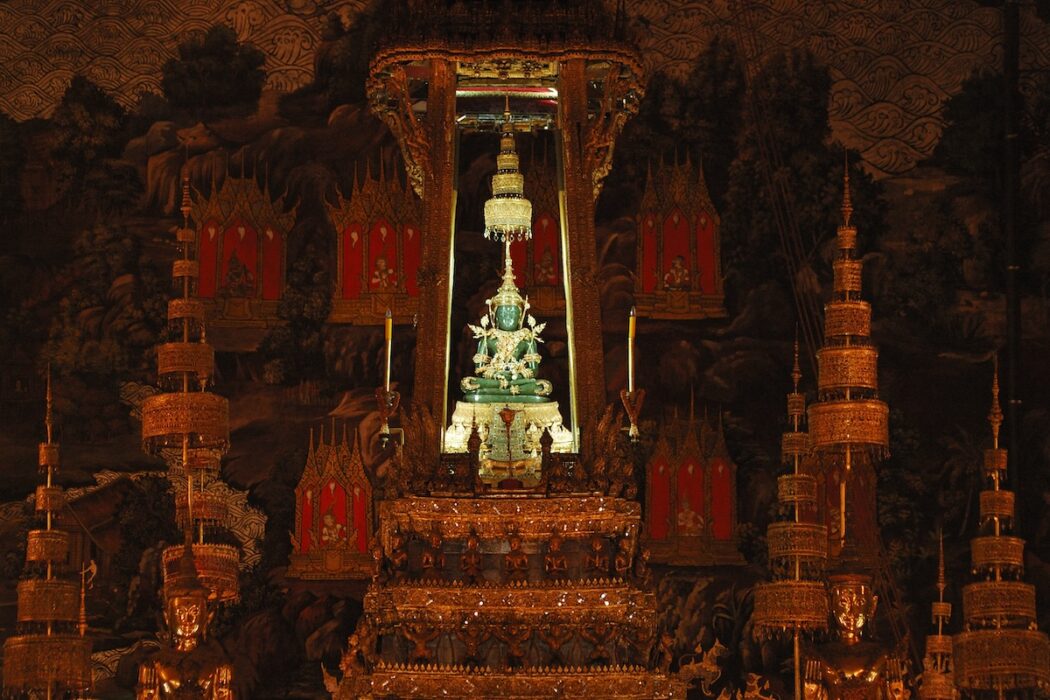
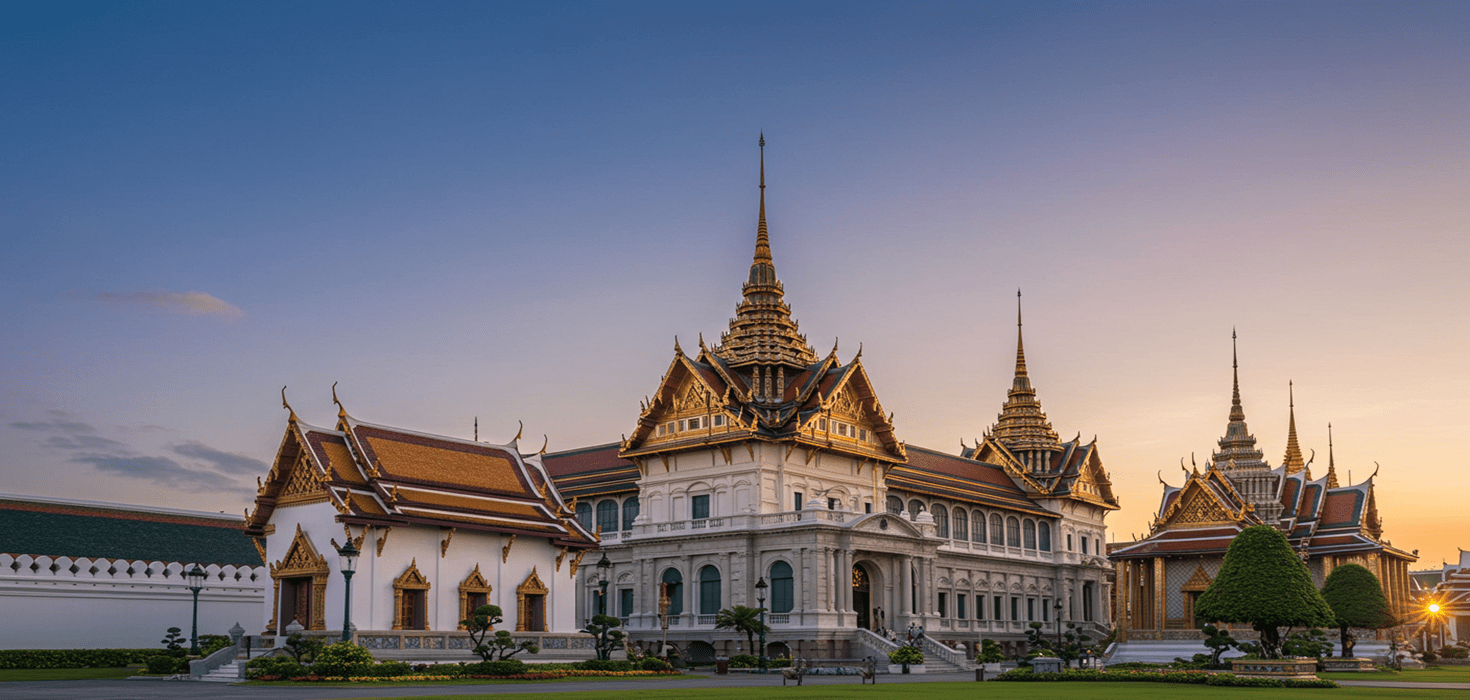
Known as the Temple of the Emerald Buddha, Wat Phra Kaew is often regarded as the most important temple in Thailand. Nestled within the grounds of the Grand Palace, this temple houses the revered Emerald Buddha, a symbol of Thailand’s national identity. The temple’s intricate architecture, adorned with vibrant mosaics and gilded details, is a sight to behold. As you wander through its hallowed halls, you’ll feel the weight of history and spirituality that envelops this sacred site.
Wat Pho
Just a stone’s throw away from Wat Phra Kaew lies Wat Pho, home to the magnificent Reclining Buddha. This temple is not only famous for its stunning 46-meter long statue but also for being the birthplace of traditional Thai massage. As you explore its expansive grounds, you’ll discover beautiful stupas, intricate murals, and a tranquil atmosphere that invites reflection. Don’t forget to snap a few photos of the stunning architecture that makes Wat Pho one of the best temples in Bangkok!
Wat Arun
Rising majestically along the Chao Phraya River, Wat Arun, or the Temple of Dawn, is a breathtaking sight, especially at sunrise and sunset. Its towering spires, decorated with colorful porcelain, create a stunning silhouette against the sky. Climbing to the top offers a panoramic view of the river and the city, making it a perfect spot for temple photography. As you stand atop this iconic structure, you’ll understand why it’s considered one of the most picturesque temples in Bangkok.
These temples in Bangkok are not just architectural marvels; they are living symbols of Thai culture and spirituality. Each visit offers a unique glimpse into the traditions and beliefs that shape this vibrant society. Ready to explore the artistic side of these sacred spaces? Let’s delve into the art of temple architecture next!
The Art of Temple Architecture: A Visual Feast
The architectural styles of Bangkok’s temples are as diverse as the city itself. Each temple showcases a unique blend of artistry that reflects the rich history and cultural influences that have shaped Thailand over the centuries. From the intricate carvings to the vivid colors, Bangkok’s temples are a visual feast that captivates the imagination.
Intricate Details and Cultural Significance
As you wander through these stunning shrines, take a moment to appreciate the intricate details that adorn every corner. The ornate decorations are often inspired by Buddhist mythology and Thai folklore, telling stories of gods, demons, and the journey toward enlightenment. The craftsmanship involved in creating these masterpieces is nothing short of extraordinary, making temple architecture in Bangkok a true art form.
Each temple also reflects the historical influences that have shaped Thai architecture. For instance, the influence of Khmer architecture is evident in the design of Wat Arun, while the intricate tile work at Wat Phra Kaew showcases Chinese influences. This blend of styles not only enhances the visual appeal but also represents the rich tapestry of cultural exchange that has occurred throughout Thailand’s history.
Whether you’re an architecture enthusiast or simply a curious traveler, the temple architecture in Bangkok will leave you in awe. The stunning shrines are not just places of worship; they are treasures that embody the spirit of Thailand. Want to know more about these magnificent structures? Check out our Comprehensive Guide to Bangkok’s Temples for an in-depth look!
Cultural Festivals in Bangkok: Celebrating Spiritual Traditions
Bangkok’s temples are not just places of worship; they are vibrant hubs of cultural activity, especially during festivals. Two of the most significant celebrations that bring the temples to life are Loy Krathong and Songkran. Imagine the shimmering waters filled with floating lotus-shaped baskets during Loy Krathong, each carrying a wish for good fortune. This festival usually takes place in November and is a sight to behold, with locals and tourists alike participating in the ritual of releasing their krathongs into the river.
Then there’s Songkran, the Thai New Year celebrated in April, where the streets transform into a massive water fight! Temples become the focal point for rituals, including the pouring of water over Buddha statues to symbolize purification. The festive atmosphere is contagious, with music, dancing, and food stalls lining the streets. Visiting temples during these festivals not only enhances your spiritual experience but also immerses you in the joyous celebrations of Thai culture.
Want to experience these vibrant festivals firsthand? Don’t miss out on the chance to witness the unique blend of spirituality and celebration at Bangkok’s temples!
Planning Your Temple Hopping Adventure: A Day-by-Day Itinerary
Ready to hit the temples? A well-planned itinerary can help you make the most of your temple hopping experience in Bangkok. Here’s a suggested day-by-day plan to guide your exploration.
Day 1: The Grand Triad
Start your adventure at the iconic Wat Phra Kaew and the Grand Palace. Arrive early to beat the crowds and soak in the majestic architecture. After exploring, stroll over to Wat Pho to marvel at the Reclining Buddha. Take a break at one of the nearby cafes for a refreshing Thai iced tea.
Day 2: Riverside Wonders
On your second day, head to Wat Arun in the morning. The view of the temple from the river is breathtaking, especially in the soft morning light. Afterward, take a boat ride along the Chao Phraya River and explore some smaller temples like Wat Prayoon and Wat Kalayanamit for a more local experience.
Day 3: Cultural Immersion
Dedicate your final day to exploring temples off the beaten path. Visit Wat Saket (Golden Mount) for a climb to the top and enjoy panoramic views of the city. Later, check out Wat Ratchanaddaram, known for its unique Loha Prasat. Wrap up your trip with a visit to a local market for some street food delights!
With this itinerary, you can explore the best of Bangkok’s temples without feeling rushed. Don’t forget to wear comfortable shoes and keep your camera handy for those Insta-worthy shots!
Culinary Delights Near Temples: A Taste of Thai Culture
No visit to Bangkok’s temples is complete without indulging in the local cuisine! The areas surrounding the temples are filled with street food stalls and small eateries offering delicious Thai dishes. After a morning of temple hopping, treat yourself to a plate of Pad Thai or Som Tum (spicy papaya salad) at a nearby vendor.
For those with a sweet tooth, don’t miss out on mango sticky rice, a beloved dessert that perfectly complements the spicy flavors of Thai cuisine. Many food stalls offer this delightful treat, often made fresh right before your eyes. Eating local not only satisfies your hunger but also enhances your cultural experience.
Looking for a unique dining experience? Check out restaurants that offer views of the temples, especially during sunset. Dining with a view of Wat Arun as the sun sets is a memory you won’t forget!
Transportation Tips for Temple Hopping: Getting Around Bangkok
Getting around Bangkok can be an adventure in itself! The city offers various modes of transport that make temple hopping easy and fun. The Chao Phraya River boats are a fantastic way to travel between temples, providing a scenic view of the city from the water. Hop on a boat at the Central Pier and glide past the bustling riverside life.
If you prefer land travel, consider using the BTS Skytrain or MRT subway. These systems are efficient and can take you close to many temple sites. For a more local experience, try taking a tuk-tuk for short distances. Just be sure to negotiate the fare beforehand!
Whichever mode of transport you choose, be mindful of the traffic. Bangkok can get quite congested, especially during peak hours. Planning your visits accordingly will help you maximize your time at each temple.
Temple Etiquette: Respecting Sacred Spaces
Visiting temples is a unique opportunity to experience the spiritual heart of Thailand. To show respect for these sacred spaces, it’s important to follow some basic etiquette. First and foremost, dress modestly! Make sure to cover your shoulders and knees. Many temples provide sarongs or shawls for visitors, but it’s best to come prepared.
As you explore, keep your voice low and avoid loud conversations. Remember, you’re in a place of worship. When taking photos, be mindful of signs that indicate where photography is allowed. Always ask permission before snapping pictures of monks or worshippers.
Participating in rituals is a wonderful way to immerse yourself in the culture, but be respectful of the customs and traditions observed at each temple. By following these guidelines, you’ll enhance your experience and show appreciation for the rich spiritual heritage of Thailand.
Fun Facts About Bangkok Temples: Trivia to Impress Your Friends
Ready to impress your friends with some fun trivia about Bangkok’s temples? Here are a few interesting tidbits:
- Wat Phra Kaew is home to the Emerald Buddha, which is actually made of jade, not emerald!
- The Reclining Buddha at Wat Pho measures a whopping 46 meters long and is covered in gold leaf.
- Wat Arun’s name translates to “Temple of Dawn,” but it’s equally stunning at sunset!
- Many temples have their own unique legends, like Wat Saket’s Golden Mount, which is said to contain a relic of the Buddha.
These fascinating facts not only enrich your visit but also serve as great conversation starters with fellow travelers!
Seasonal Travel Insights: Best Times to Visit Bangkok’s Temples
When planning your temple hopping adventure, consider the seasonal festivals and weather patterns in Bangkok. The cool season from November to February is ideal for visiting, as temperatures are more comfortable for exploring. This period also coincides with several festivals, including Loy Krathong, where the temples are beautifully decorated, adding to the magical atmosphere.
In April, Songkran brings a lively energy to the city, transforming temple visits into celebratory experiences filled with water fights and cultural rituals. However, keep in mind that the hot season can be quite warm, so staying hydrated is key!
Visiting during the rainy season (May to October) can be a bit unpredictable, but the lush greenery and fewer crowds can make for a unique experience. Just be sure to carry an umbrella and plan for some indoor activities as well!
Safety and Health Guidelines: Staying Secure While Exploring
While exploring Bangkok’s temples, it’s important to keep safety in mind. Always be aware of your surroundings, especially in crowded areas. Keep your belongings secure and avoid displaying valuables. If you’re traveling alone, consider joining a group tour for added safety and companionship.
Health-wise, staying hydrated is crucial, especially in the heat. Drink plenty of water and take breaks when needed. Street food is delicious, but make sure to choose vendors that look clean and busy, as this often indicates fresh food.
Lastly, remember to follow local health guidelines, especially if visiting during flu season or any health advisories. With a little preparation, you can enjoy a safe and memorable temple hopping experience!
Commonly Asked Questions (FAQs) About Temple Hopping in Bangkok
Got questions about visiting temples in Bangkok? Here are some common queries answered:
What is the best time to visit Bangkok’s temples?
The cool season from November to February is ideal for comfortable temple visits. However, festivals like Loy Krathong and Songkran in April offer unique experiences!
Are there any dress codes for visiting temples?
Yes! Dress modestly by covering your shoulders and knees. Many temples provide sarongs, but it’s best to come prepared.
Can I take photos inside the temples?
Photography is usually allowed, but be mindful of signs indicating where it is permitted. Always ask for permission before taking pictures of people.
How do I get to the temples?
The Chao Phraya River boats, BTS Skytrain, and tuk-tuks are popular modes of transport for temple hopping. Plan your route to maximize your time!
What should I do if I feel overwhelmed by the crowds?
If the crowds get too much, take a break at a nearby café or explore smaller, lesser-known temples for a more tranquil experience.
With these tips in hand, you’re all set for an unforgettable temple hopping adventure in Bangkok!