Japan, a land brimming with cultural riches, vibrant flora, and storied history, offers a mesmerizing experience throughout the year. Whether it’s the pink hues of cherry blossoms in spring, the captivating festivals, or the fiery metamorphosis of fall foliage, Japan ensures that every traveler finds their perfect adventure. But to truly savor Japan’s myriad wonders, it’s crucial to know the best times to plan your visit. Through this extensive travel guide, we’ll explore the ideal seasons and months to immerse yourself in Japan’s magic.
Spring in Japan: The Allure of Cherry Blossoms
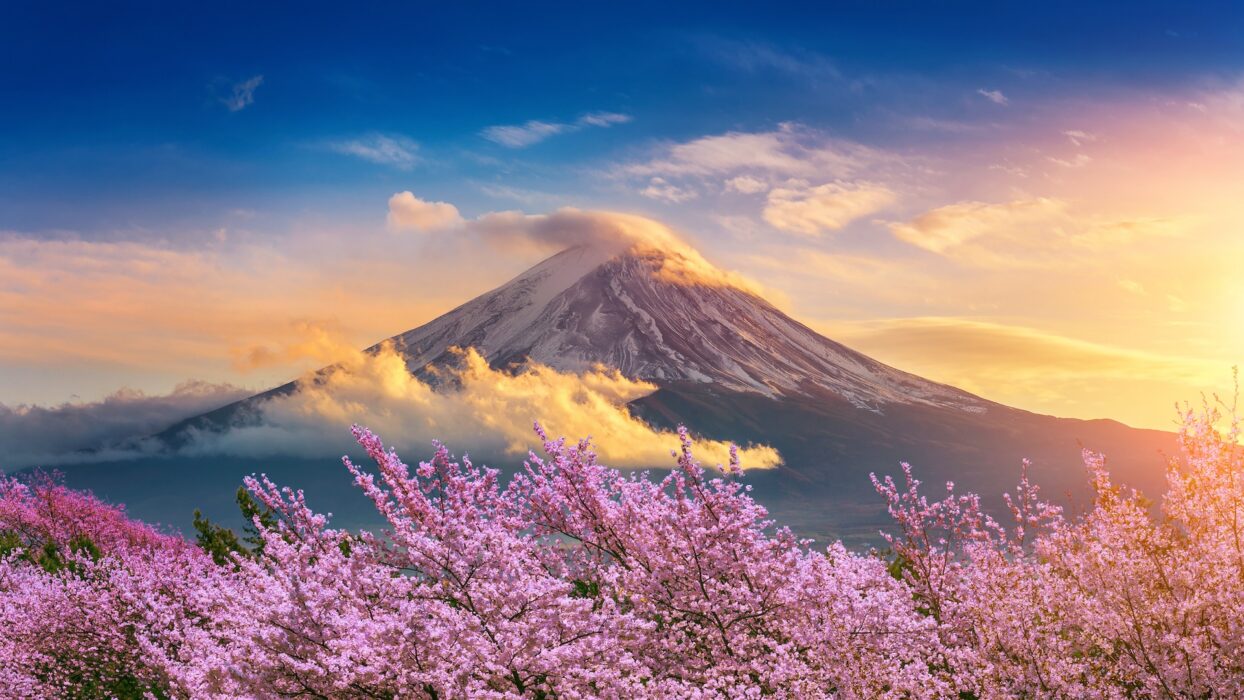
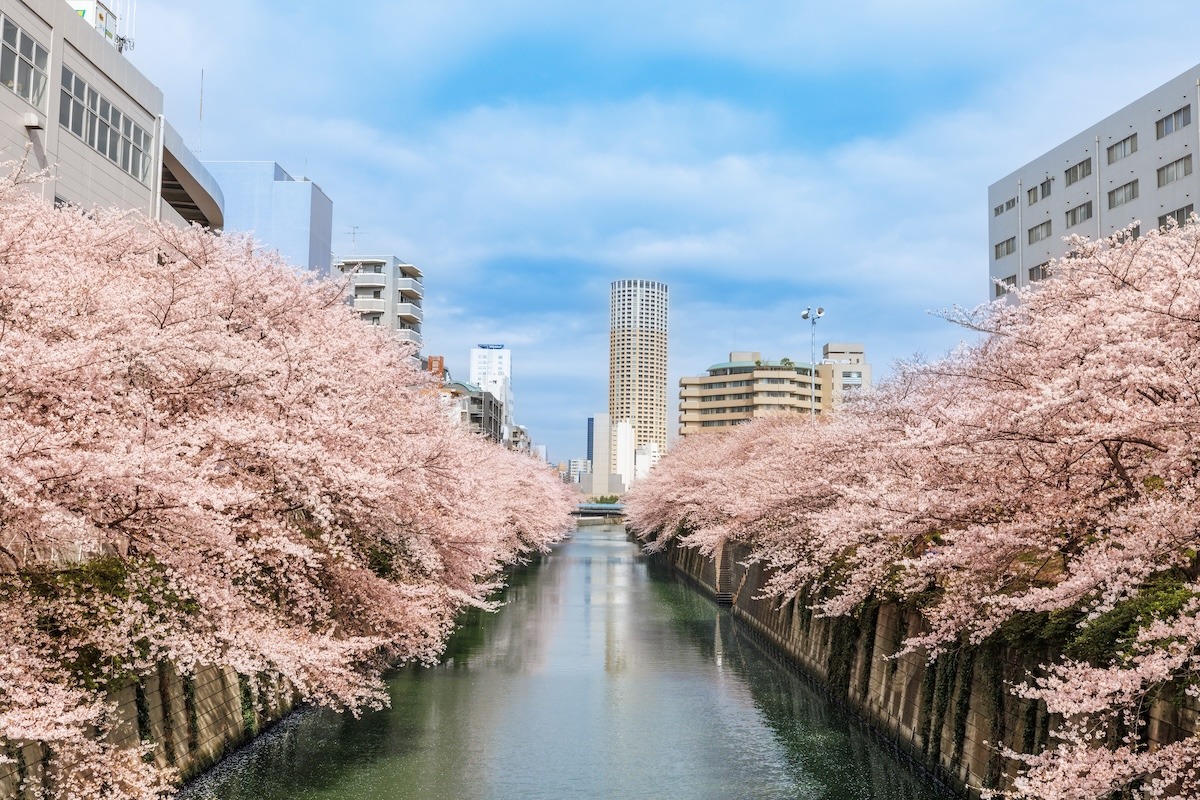
Spring, spanning from March to May, is arguably the most celebrated season in Japan. The country is famously blanketed with sakura (cherry blossoms), enchanting both locals and tourists alike. Hanami, the traditional custom of flower viewing, transforms parks and riversides into social hubs where people gather to appreciate the fleeting beauty of cherry blossoms.
Why Visit Japan in Spring?
The weather during spring is generally mild, providing comfortable temperatures for exploration. Additionally, numerous festivals, such as the Hirosaki Cherry Blossom Festival and the Takayama Spring Festival, take place during this time, showcasing Japan’s rich cultural heritage. Another significant event is the Golden Week, a series of holidays marked by various outdoor activities and celebrations.
Summer in Japan: Festivals and Fireworks
From June to August, summer in Japan is vibrant and full of life, though it comes with its share of humidity and rain. However, this season brings with it a plethora of festivals, known as matsuri, and spectacular fireworks displays, or hanabi taikai.
Festivals to Experience
Major festivals such as Gion Matsuri in Kyoto and the Awa Odori in Tokushima offer a glimpse into the joyous and celebratory side of Japanese culture. Also, the Tanabata Festival, which celebrates the meeting of deities Orihime and Hikoboshi, fills the streets with colorful decorations and lively parades. Additionally, summer nights are illuminated by spectacular fireworks festivals such as Sumida River Fireworks in Tokyo.
Autumn in Japan: A Symphony of Colors
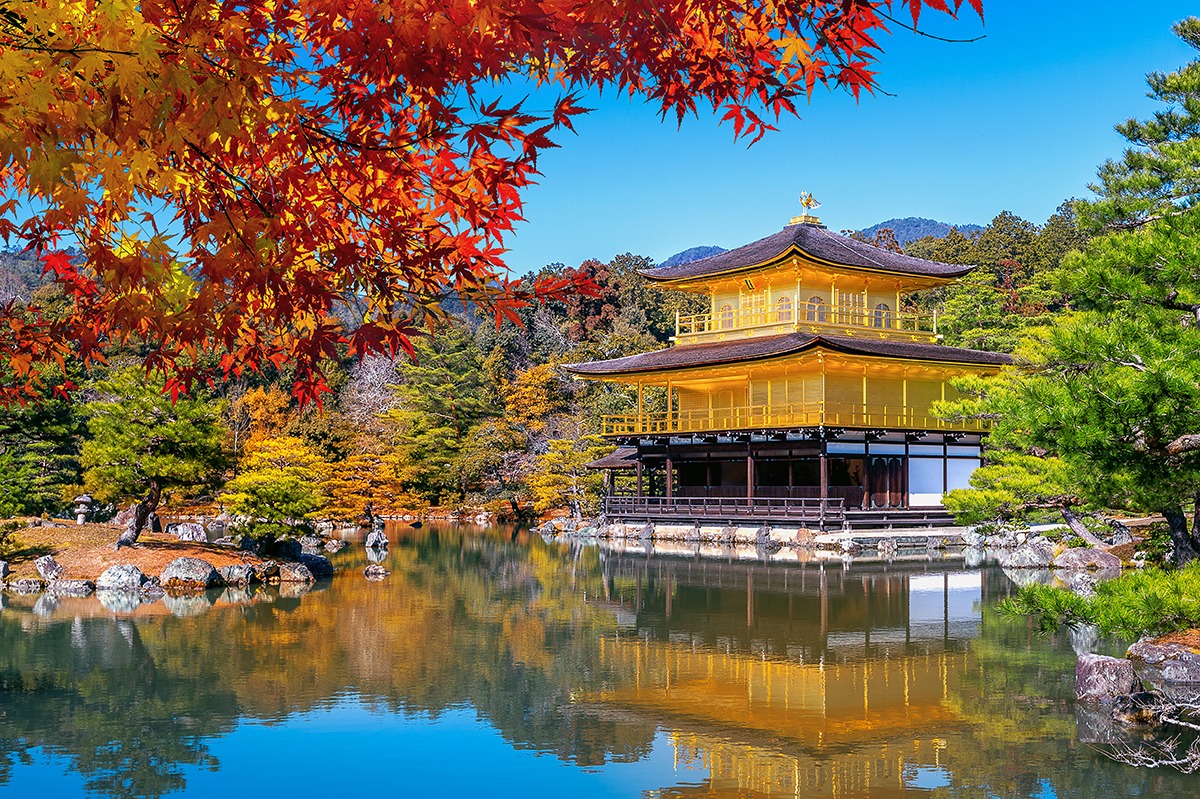
Autumn, from September to November, is another highly favored season in Japan. The weather cools down, and the country’s landscapes are painted with breathtaking hues of red, orange, and yellow as the leaves change color. This season is perfect for outdoor activities and sightseeing.
The Beauty of Koyo
Koyo, the Japanese term for autumn foliage, attracts tourists to spots like Kyoto’s Arashiyama and Nara Park, where the fall colors create scenic vistas. It’s a time of serene beauty and ideal weather for exploring temples, gardens, and festivals such as the Jidai Matsuri in Kyoto.
The autumn season brings a symphony of colors and a series of captivating festivals. The Takayama Autumn Festival is renowned for its lavishly decorated floats and traditional music. The Kurama Fire Festival in Kyoto, where locals carry flaming torches through the streets, is a spectacle not to be missed. Additionally, the Shichi-Go-San Festival, a rite of passage for children aged three, five, and seven, is celebrated in November.
Winter in Japan: Snow and Serenity
Winter, from December to February, offers a different kind of allure. Japan transforms into a snowy wonderland, particularly in regions like Hokkaido and the Japanese Alps. Winter sports enthusiasts flock to these areas for skiing and snowboarding, while others revel in the peaceful ambiance of snow-covered temples and shrines.
Winter Activities and Festivals
Winter is the season for hot springs, or onsen, where visitors can soak in steaming hot water amidst a snowy backdrop. Also, festivals like the Sapporo Snow Festival in Hokkaido features massive snow sculptures and attracts millions of visitors every year. The Otaru Snow Light Path Festival transforms the city into a magical wonderland with thousands of candles and lanterns illuminating the snowy streets. Additionally, the Yokohama Light Festival showcases dazzling light displays and art installations.
Must-Visit Destinations and Iconic Landmarks
Japan is a country of diverse landscapes and iconic landmarks. From towering mountains to serene temples, there’s something for every traveler. Here are some must-visit destinations and iconic landmarks to include in your itinerary.
Tokyo: A Blend of Tradition and Modernity
As Japan’s bustling capital, Tokyo is a vibrant metropolis where tradition meets modernity. Visit the historic Senso-ji Temple in Asakusa, explore the trendy neighborhoods of Shibuya and Shinjuku, and enjoy panoramic views from the Tokyo Skytree.
Kyoto: The Cultural Heart of Japan
Known for its well-preserved temples, gardens, and traditional tea houses, Kyoto offers a glimpse into Japan’s historical and cultural heritage. Don’t miss the iconic Fushimi Inari Shrine with its thousands of torii gates, the Arashiyama Bamboo Grove, and the serene Kinkaku-ji (Golden Pavilion).
Mount Fuji: Japan’s Iconic Peak
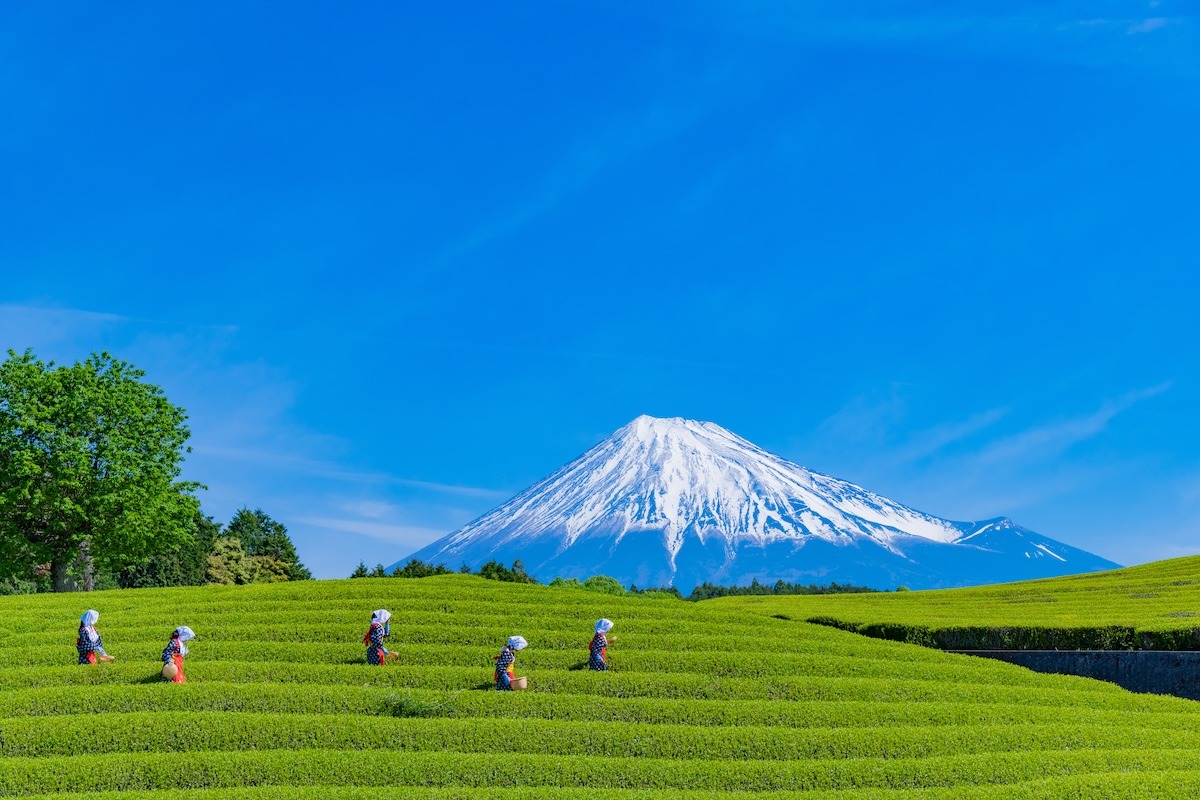
Mount Fuji is Japan’s highest mountain and an enduring symbol of the country. Whether you’re climbing to the summit or admiring the view from the nearby Fuji Five Lakes, Mount Fuji offers a serene and majestic experience. The best months to visit are July and August when the weather is favorable for climbing.
Planning Your Trip: Practical Tips and Traveler Insights
Regardless of the season you choose to visit Japan, planning is essential to make the most of your trip. Here are some practical tips and insights to ensure a smooth and enjoyable experience.
Travel Tips
- Book Early: Especially during peak seasons like cherry blossom time and autumn foliage, accommodations and flights can sell out quickly. Booking in advance is highly recommended.
- Travel Insurance: Ensure you have travel insurance that covers medical emergencies, trip cancellations, and other potential risks.
- Local Etiquette: Familiarize yourself with Japanese customs and etiquette. For instance, bowing is a common way to greet people, and it’s customary to remove your shoes when entering someone’s home.
- Transportation: Japan has an efficient public transportation system. Consider getting a Japan Rail Pass for unlimited travel on JR trains during your stay.
- Language: While English is commonly understood in tourist areas, learning a few basic Japanese phrases can go a long way in enhancing your travel experience.