South Korea is a vibrant country brimming with rich history, dynamic culture, and an incredible culinary heritage. For food enthusiasts, this fascinating destination offers a plethora of traditional dishes that showcase the exquisite and unique flavors of Korean cuisine. Whether you’re a seasoned foodie or a curious traveler, our journey through South Korea’s culinary landscape will leave you both satisfied and hungry for more.
The Essence of Korean Cuisine
At the heart of Korean cuisine lies the harmonious balance of flavors, textures, and colors. Rooted in centuries-old traditions, Korean food has been shaped by its historical context, geography, and cultural exchanges. The emphasis is on fresh ingredients, meticulous preparation, and communal dining – all of which create an unforgettable gastronomic experience.
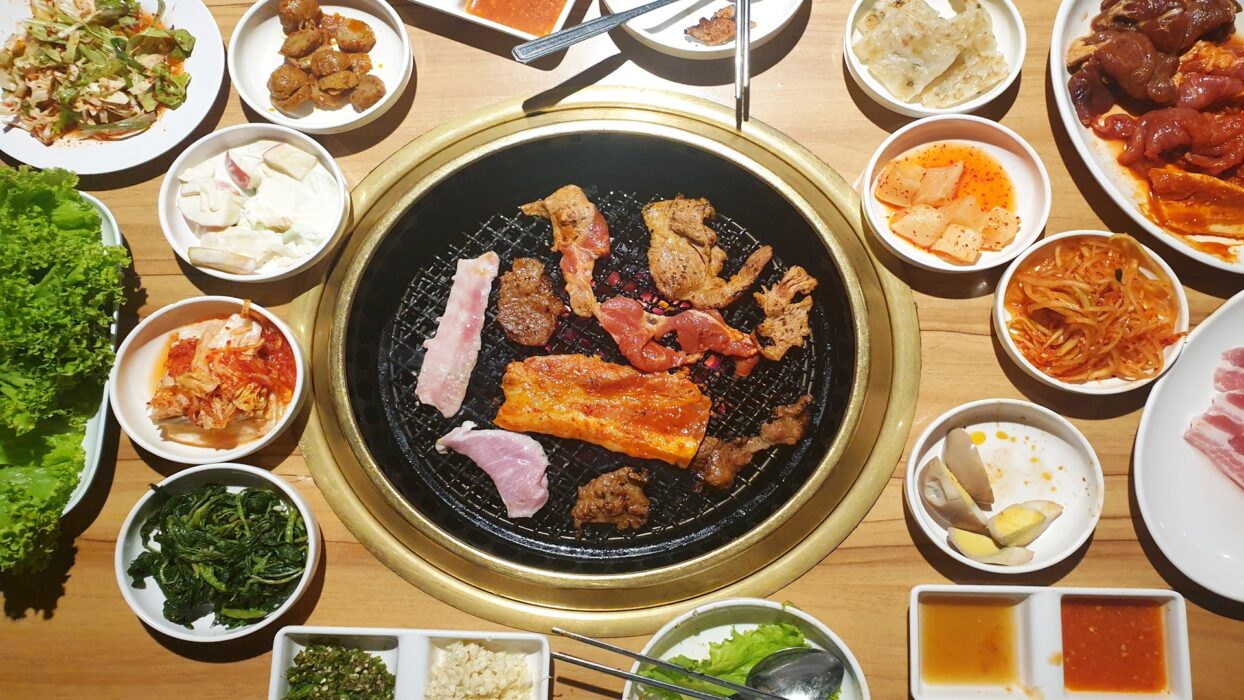
One of the most iconic features of Korean meals is the diverse array of side dishes, known as banchan. These small, flavorful dishes complement the main meal and include a variety of vegetables, fermented foods, and proteins. The star of banchan is undoubtedly kimchi, a traditional fermented vegetable dish that embodies the bold and spicy characteristics of Korean flavors.
Korean BBQ: A Social Dining Experience
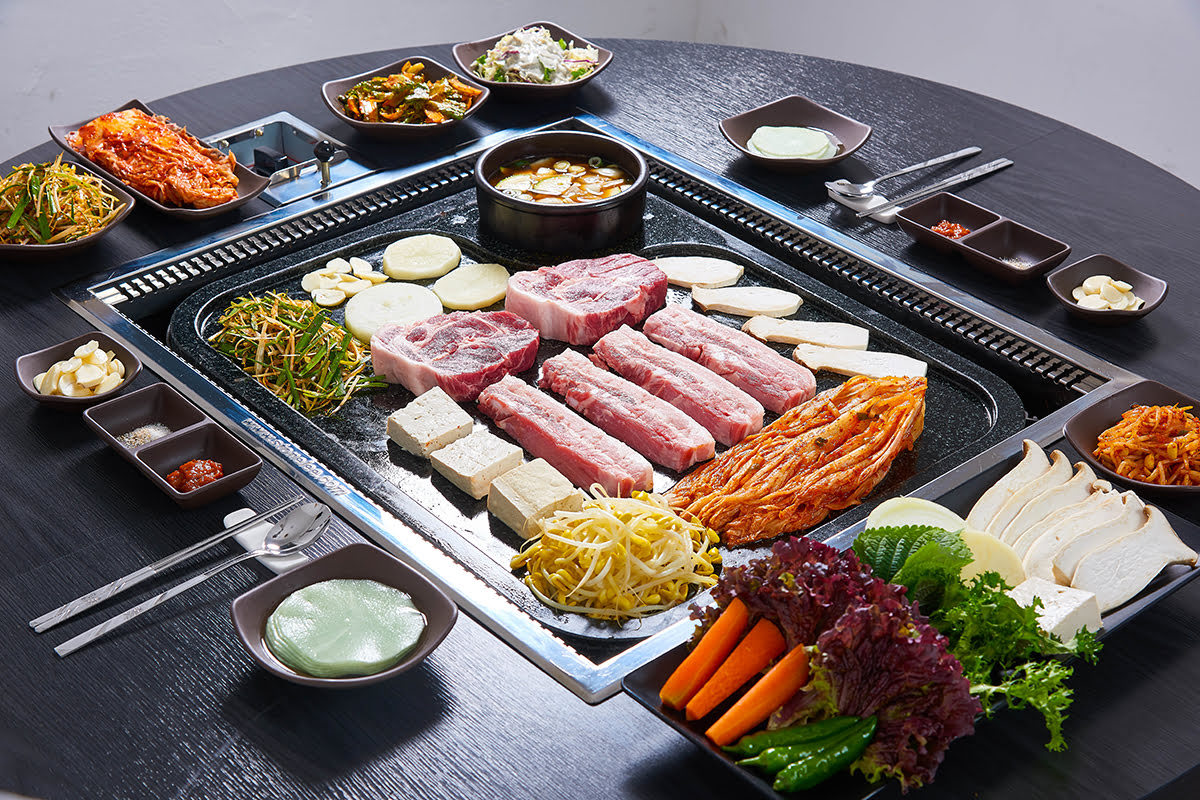
No exploration of Korean cuisine would be complete without indulging in Korean BBQ, or gogi-gui. This social dining experience involves grilling marinated meats, such as samgyeopsal (pork belly) and galbi (beef short ribs), right at your table. The meat is typically wrapped in lettuce leaves, accompanied by garlic, chili peppers, and various dipping sauces.
The communal nature of Korean BBQ makes it a popular choice for gatherings and celebrations. The sizzling sounds, mouth-watering aromas, and interactive cooking process create a lively atmosphere that brings people together. Whether you’re in Seoul or a smaller city, you’ll find Korean BBQ restaurants dotted throughout the country, each offering its unique twist on this beloved tradition.
Iconic Korean Dishes and Their Origins
Kimchi: The Heartbeat of Korean Flavors
Few dishes are as synonymous with Korean cuisine as kimchi. This fermented vegetable dish, typically made with Napa cabbage and Korean radishes, is seasoned with chili powder, garlic, ginger, and other spices. Kimchi’s origins can be traced back to ancient Korea, where fermenting vegetables was a practical method to ensure food supply during harsh winters.
Today, kimchi remains an essential part of every Korean meal. It is celebrated not only for its bold taste but also for its health benefits, including its probiotic properties and high vitamin content. You can explore different regional varieties of kimchi, each offering unique flavors and textures. Don’t miss the opportunity to visit kimchi museums and workshops to dive deeper into its history and making process.
Bibimbap: A Symphony in a Bowl
Bibimbap, which translates to “mixed rice,” is a colorful and nutritious dish that showcases the harmony of Korean cuisine. This dish consists of rice topped with an array of vegetables, proteins, and a fried egg, all mixed together with a dollop of gochujang (Korean chili paste). Originating from Jeonju, the traditional capital of North Jeolla Province, bibimbap is known for its balanced flavors and aesthetic appeal.
Each component of bibimbap is meticulously prepared to ensure freshness and flavor. Whether you enjoy it at a bustling market stall or a high-end restaurant, bibimbap offers a snapshot of Korean culinary artistry. The contrasting textures and vibrant colors make each bite a delightful experience.
Tteokbokki: Street Food Delight
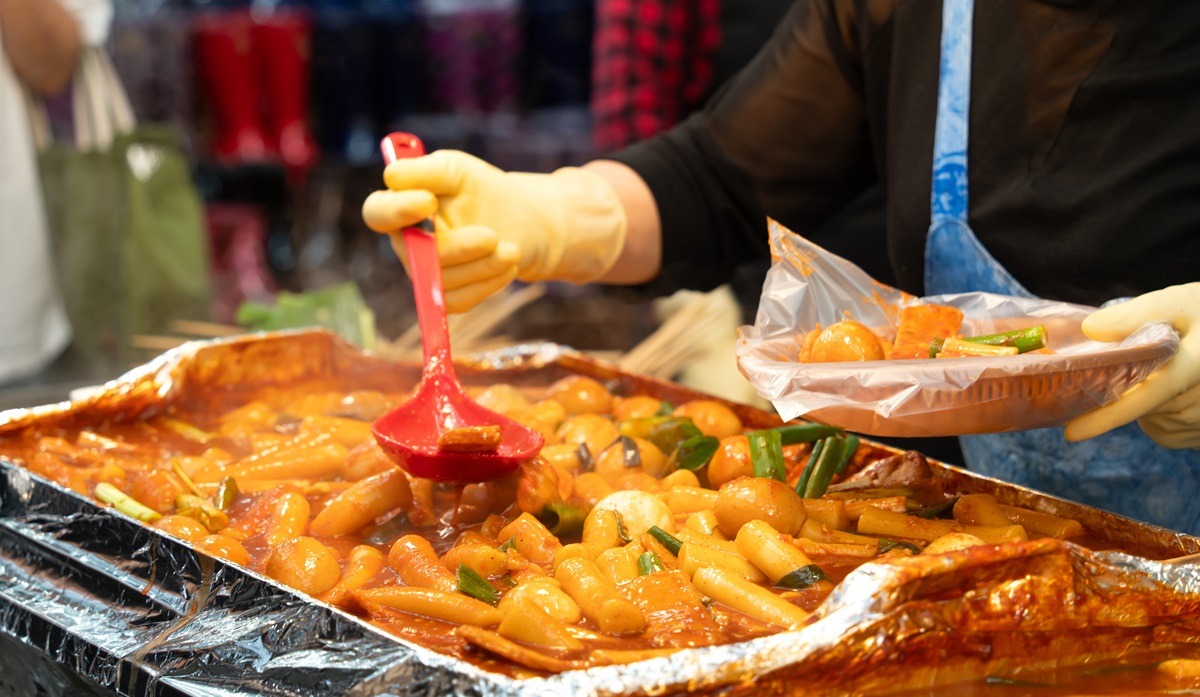
For an authentic Korean street food experience, tteokbokki is a must-try. These chewy rice cakes are cooked in a spicy and sweet gochujang-based sauce, often accompanied by fish cakes, boiled eggs, and scallions. Tteokbokki’s origins date back to the Joseon Dynasty when it was considered a royal dish, but it became a popular street food in the 20th century.
You can find tteokbokki vendors throughout Korea, especially in bustling markets and food streets. The dish’s comforting heat and satisfying chewiness make it a favorite among locals and tourists alike. Don’t miss out on trying tteokbokki at traditional markets like Gwangjang Market in Seoul or Dongnae Market in Busan.