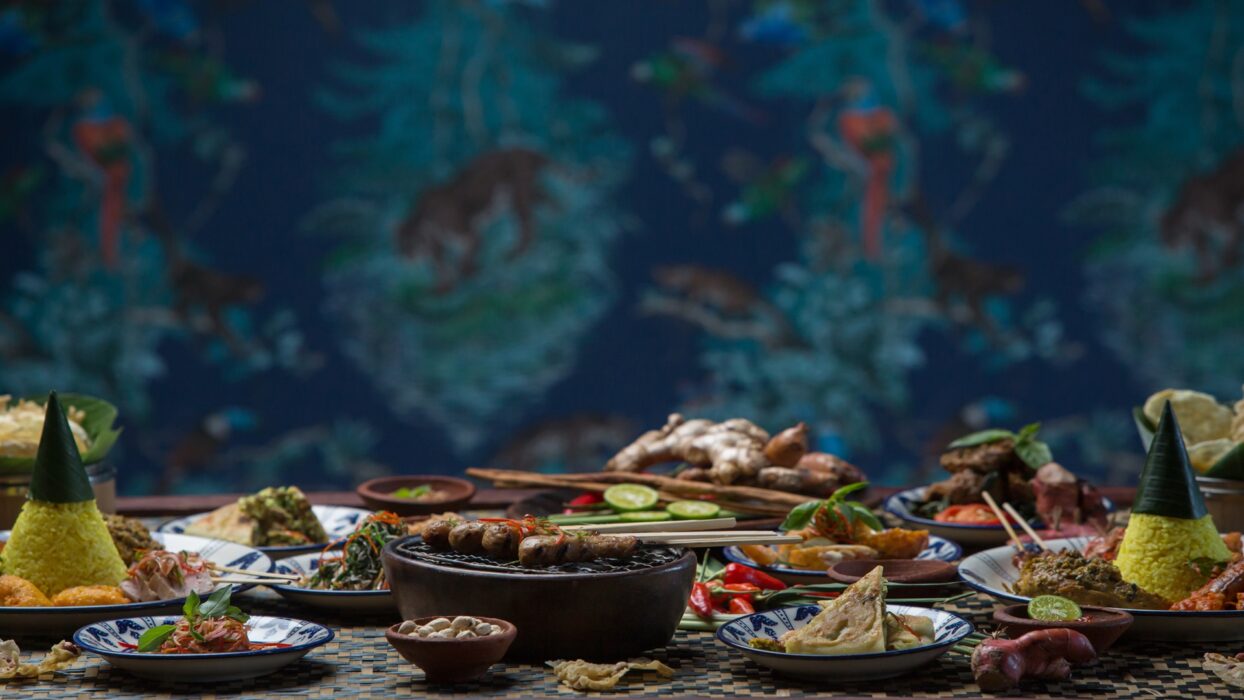
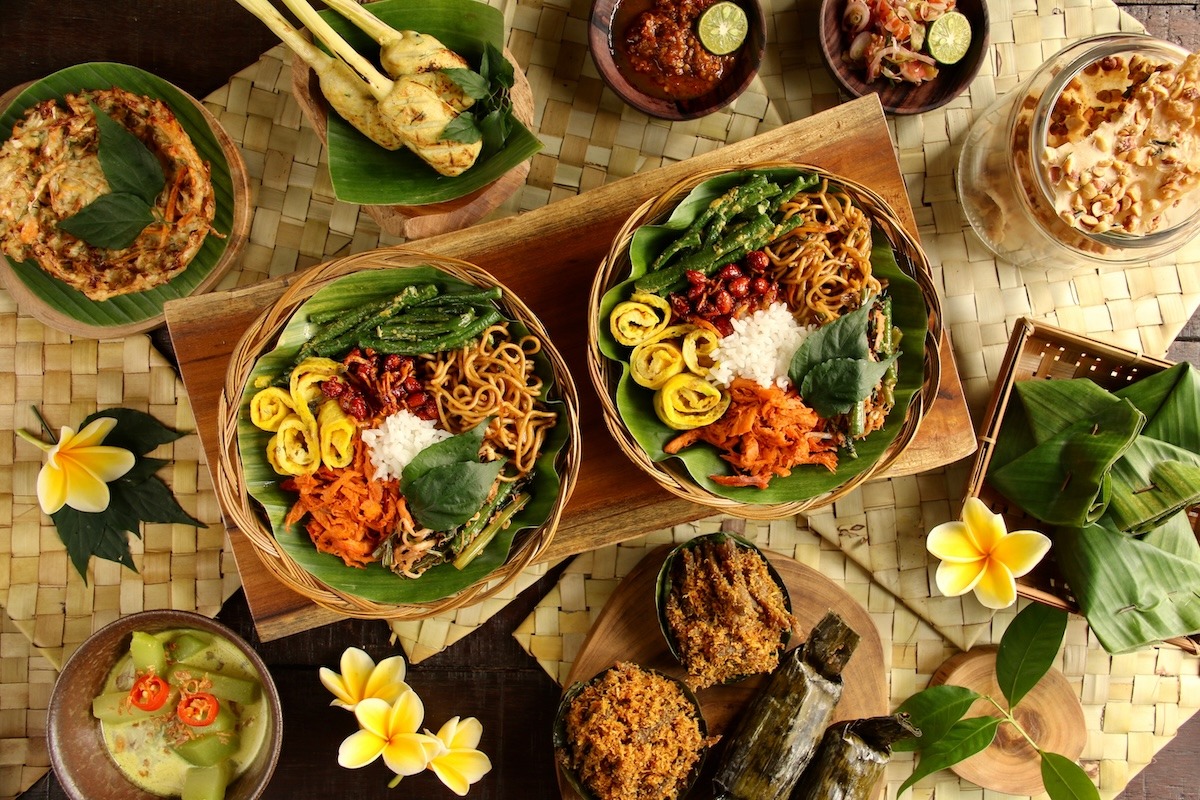
Bali, the Island of the Gods, is not only known for its breathtaking landscapes and vibrant culture but also for its rich and diverse cuisine. Balinese cuisine offers a unique blend of flavors, spices, and cooking techniques that reflect the island’s rich cultural heritage. In this article, we’ll take you on a culinary adventure through Bali, highlighting traditional dishes, must-visit food spots, and local culinary experiences.
A Taste of Tradition: Must-Try Balinese Dishes
When in Bali, there are certain traditional Balinese dishes that you simply must try. These dishes are deeply rooted in Balinese culture and are a testament to the island’s rich culinary traditions.
Babi Guling (Suckling Pig)
Babi Guling, or suckling pig, is one of the most famous Balinese dishes. The pig is marinated with a blend of traditional spices, including turmeric, coriander, lemongrass, and galangal, and then roasted to perfection. The result is tender and flavorful meat with crispy skin. This dish is often enjoyed during special ceremonies and celebrations.
Nasi Goreng (Fried Rice)
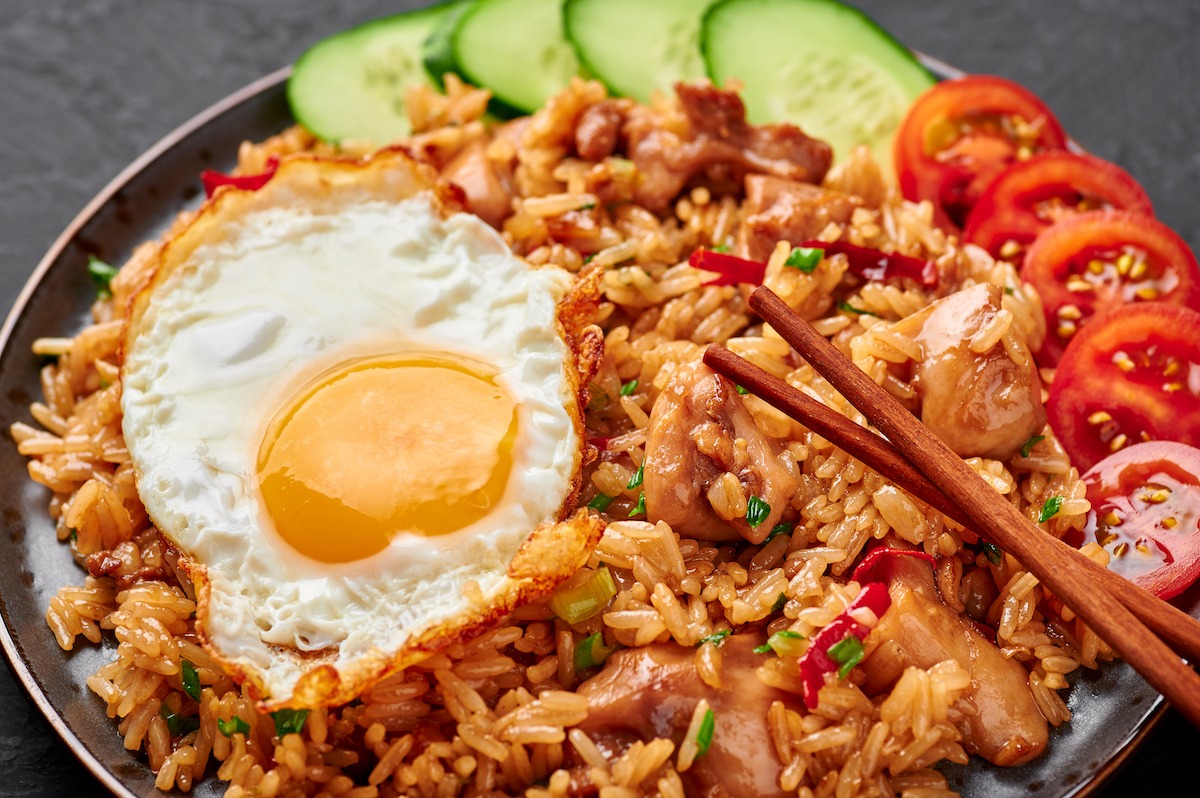
Nasi Goreng, Indonesia’s take on fried rice, is a staple dish that you can’t miss. Balinese Nasi Goreng is typically made with a combination of rice, vegetables, eggs, and a choice of meat, all stir-fried with sweet soy sauce and a hint of shrimp paste. It’s often garnished with fried shallots, cucumber slices, and prawn crackers.
Sate Lilit (Marinated Skewers)
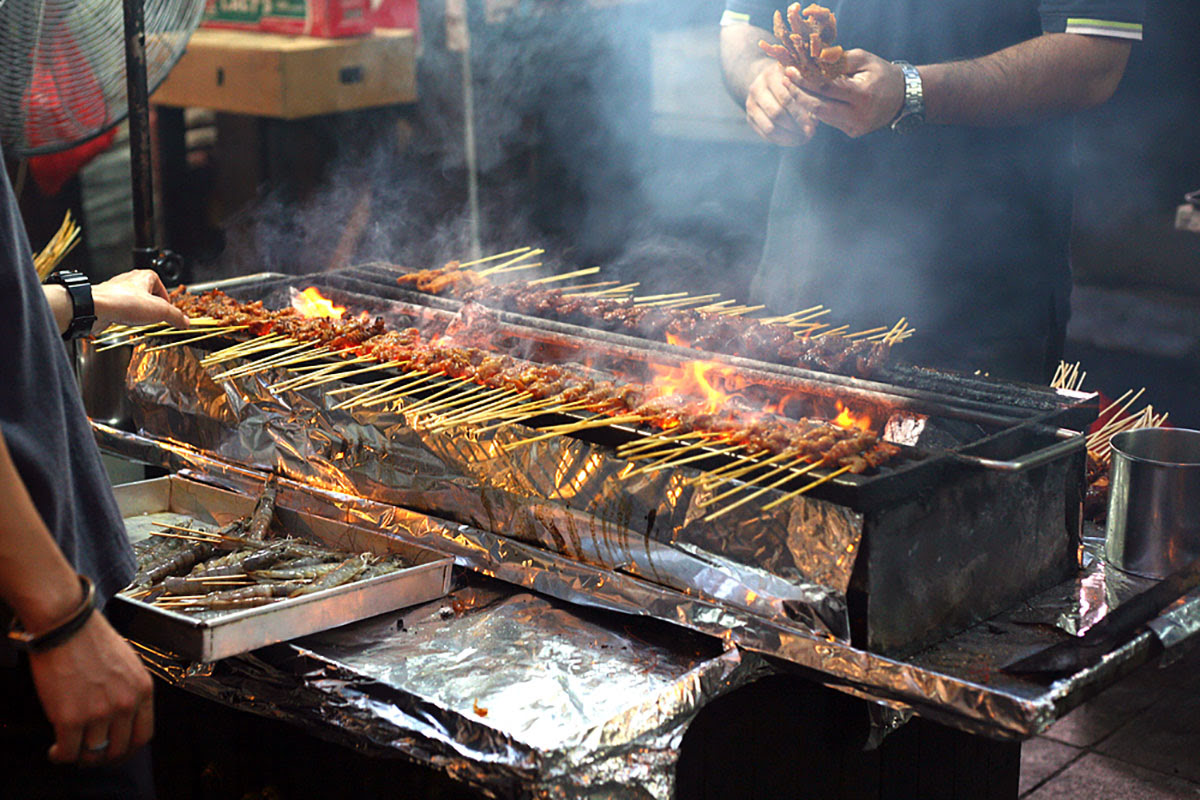
Sate Lilit is a unique type of satay that is made by wrapping minced meat around bamboo sticks or lemongrass stalks. The minced meat is mixed with grated coconut, coconut milk, lime leaves, and a blend of spices, giving it a rich and aromatic flavor. Chicken, beef, and fish are the common meat choices for this dish.
Bebek Betutu (Slow-Cooked Duck)
Bebek Betutu is a traditional Balinese dish made from duck that is marinated in a rich spice paste and wrapped in banana leaves. The duck is then slowly cooked until it becomes tender and delicious. This dish is often reserved for special occasions and is a true representation of Balinese culinary craftsmanship.
Lawar (Mixed Meat and Vegetable Salad)
Lawar is a traditional Balinese salad made from a mix of vegetables, grated coconut, minced meat, and a blend of herbs and spices. There are various types of Lawar, each with its unique flavor profile. It’s often served as a side dish and is a crucial element in many ceremonial meals.
Exploring Local Food Markets
To truly immerse yourself in Balinese cuisine, visiting local food markets is a must. These markets are bustling with activity and offer a glimpse into the daily lives of the locals. Here, you can find fresh ingredients, traditional snacks, and street food that will tantalize your taste buds.
Ubud Market
Ubud Market is a popular destination for tourists and locals alike. It’s a great place to sample traditional Balinese snacks like Jajan Pasar (traditional sweets) and buy fresh produce. Early mornings are the best time to visit, as the market is bustling with vendors selling fresh fruits, vegetables, and other local delicacies.
Badung Market
Located in Denpasar, Badung Market is the largest traditional market in Bali. It’s a vibrant and chaotic place where you can find everything from fresh seafood and meat to spices and herbs. This market is a haven for food enthusiasts looking to explore the raw ingredients that make up Balinese cuisine.
Culinary Experiences and Cooking Classes
One of the best ways to understand Balinese cuisine is by participating in a cooking class. These classes provide hands-on experience in preparing traditional dishes and give you a deeper appreciation of Balinese food culture.
Bumbu Bali Restaurant & Cooking School
Bumbu Bali Cooking School, located in Nusa Dua, offers a comprehensive cooking experience. The class begins with a visit to a local market to pick out fresh ingredients. Then, under the guidance of experienced chefs, you’ll learn to prepare a variety of Balinese dishes, from appetizers to main courses and desserts.
Subak Cooking Class
Located in Ubud, Subak Cooking Class offers a more intimate cooking experience. Led by a local chef, the class covers traditional cooking techniques and recipes passed down through generations. You’ll get to cook and savor dishes like Mie Goreng (fried noodles) and Ayam Santan Bumbu Bali (Balinese fried chicken with coconut milk).
Practical Information for Travelers
Before embarking on your culinary journey in Bali, here are some practical tips to ensure a smooth and enjoyable experience:
- Bring cash: Many local food markets and warungs prefer cash payments.
- Stay hydrated: Bali’s tropical climate can be hot and humid, so drink plenty of water.
- Embrace local customs: Respect local dining etiquette, such as eating with your right hand.
- Try everything: Don’t be afraid to try unfamiliar dishes and flavors.
- Stay safe: Ensure that your food is cooked thoroughly, especially when eating street food.
Bali’s culinary scene offers a tantalizing journey for food lovers. From traditional dishes steeped in cultural heritage to bustling food markets and hands-on cooking classes, there’s something for everyone. So pack your bags, bring your appetite, and get ready to embark on a culinary adventure in the beautiful island of Bali.