Exploring Bohol’s Religious Heritage
Baclayon Church: A Neoclassical Marvel
Location: Baclayon, Bohol
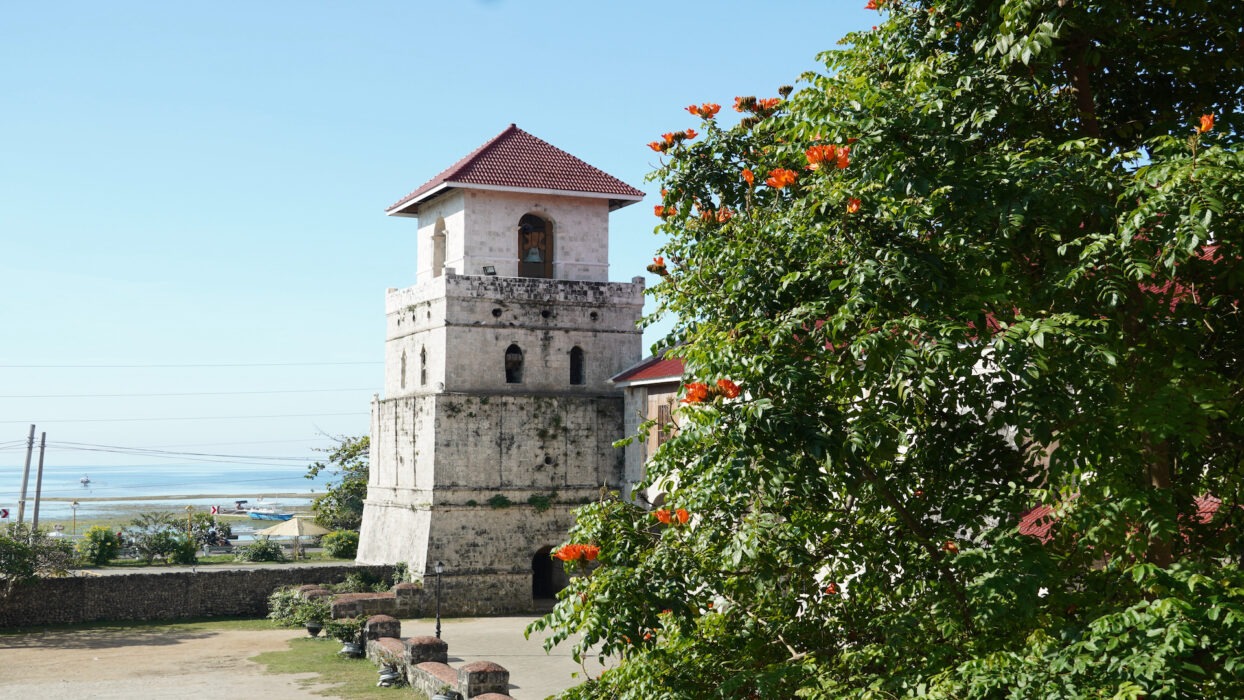
Nestled in the heart of Baclayon, Bohol, stands the magnificent Baclayon Church, an emblem of the Philippines’ colonial past and a testament to neoclassical architecture. Officially known as the Immaculate Conception of the Virgin Mary Parish Church, it was founded in 1596 by Jesuit priests. The church, predominantly made of coral stones, features a baroque pulpit added in the 1870s and stunning ceiling murals that capture the essence of religious artistry. Despite suffering major damage during the 2013 earthquake, it has been meticulously restored, preserving its historical and cultural significance.
For those looking to explore the charm of Baclayon further, a stay at the nearby Henann Resort Alona Beach offers luxury and comfort, enhancing your Bohol heritage experience.
Discovering the Architectural Grandeur of Loboc
Loboc Church: The Jesuits’ Legacy
Location: Loboc, Bohol
The San Pedro Apostol Church, more commonly known as Loboc Church, is a centerpiece of Bohol’s religious and cultural landscape. Completed in 1734 and recognized as the second oldest church in Bohol, Loboc Church stands as a symbol of the Jesuits’ architectural influence. The church’s Baroque style, evident in its cruciform plan, and the strategic location made it the Jesuits’ mission center. Like Baclayon Church, Loboc Church too suffered in the 2013 earthquake but has seen remarkable reconstruction efforts, bringing it back to its former glory while retaining its status as a National Cultural Treasure.
The journey through Loboc’s history can be complemented by a comfortable stay at the Bohol Tropics Resort, known for its hospitality and serene ambiance.
The Intricate Design of Dauis Church
Dauis Church: A Blend of History and Artistry
Location: Assumption St, Poblacion, Dauis, Bohol,
On the picturesque Panglao Island lies the Church of Our Lady of the Assumption, popularly known as Dauis Church. Built in 1863, this structure showcases an intricate architectural design influenced by the Gothic era. The church’s interiors are adorned with neoclassical niches and a wooden pulpit with exquisite carvings, centering around the image of Our Lady of the Assumption. It’s not just its architecture that makes Dauis Church special; during World War II, it served as a sanctuary for nuns. The resilience of this structure is evident in its restoration post the 2013 earthquake.
Visitors to Dauis can enhance their stay by choosing the Bohol Beach Club Resort, which offers a blend of luxury and proximity to the island’s historical sites.
A Visit to the Historical Tagbilaran Church
Tagbilaran Church: Preserving Spanish History
Location: Tagbilaran City, Bohol
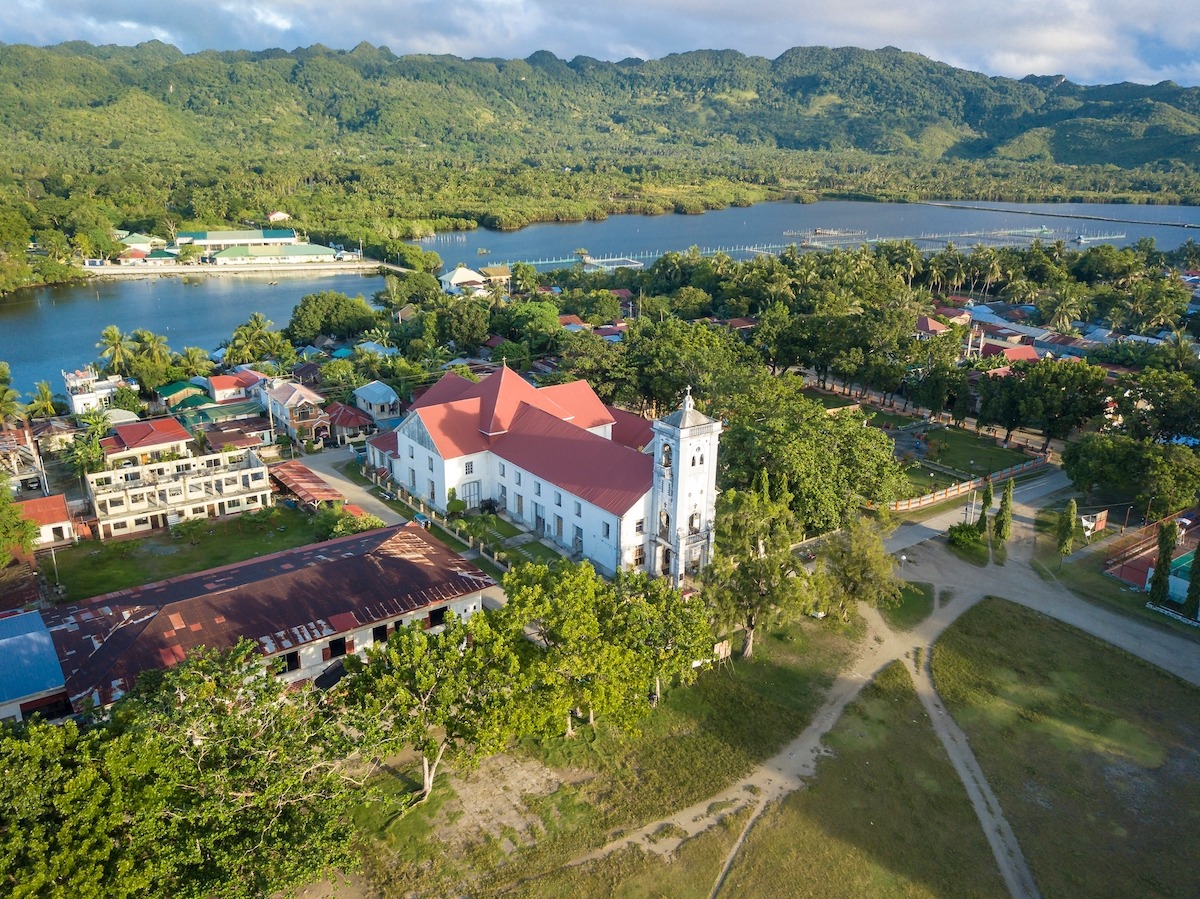
The Cathedral of Saint Joseph the Worker, commonly referred to as Tagbilaran Church, is a historical jewel in Bohol. Established by the Jesuits in 1787, it underwent reconstruction from 1833 to 1835. The church’s Neo-Romanesque architectural style is complemented by its Baroque-style altars and retablos, preserving remnants of its Spanish heritage. Despite numerous renovations, including the addition of a two-story convent and a bell tower, Tagbilaran Church maintains its sacred and historical essence, inviting visitors to step back in time and explore its rich legacy.
Dimiao Church: A Testament to Time
Dimiao Church: Neo-Baroque Elegance
Location: Dimiao, Bohol
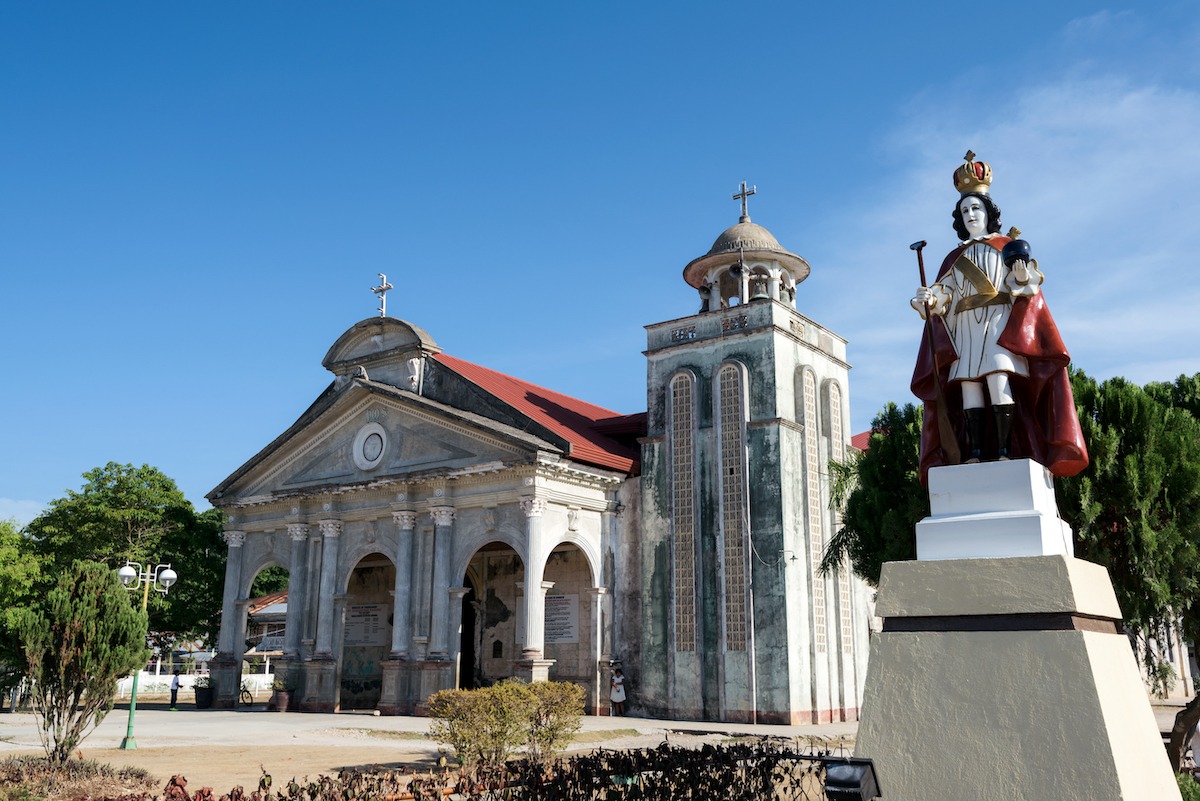
Dimiao Church, officially known as San Nicolas de Tolentino Church, stands out with its distinctive Neo-Baroque style and twin bell towers. Believed to have been built in the late 17th century, this well-preserved church is a part of a larger complex that includes the mysterious Ermita Ruins, remnants of a Spanish-era cemetery. The church’s cruciform structure and classical facade, adorned with twin bell towers, offer a glimpse into the Philippines’ rich colonial history and architectural prowess. Visitors to Dimiao Church are often struck by the seamless blend of historical significance and architectural beauty.
The Beauty of Panglao Church
Panglao Church: Neoclassical Majesty
Location: Panglao Island, Bohol
The Saint Augustine Church, or Panglao Church, is a neoclassical marvel known for its breathtaking ceiling murals, which depict the sacraments and the Holy Trinity, surrounded by angels. Its antique wooden confessionals and intricately carved retablos on the altar, including the image of St. Augustine, add to the church’s allure. The church’s construction, which saw several delays including the Philippine revolution against the Spaniards, is a story of resilience and community effort.
Cortes Church: A Blend of Art and Faith
Cortes Church: A Revival of Grandeur
Location: Cortes, Bohol
The Santo Niño Church, commonly known as Cortes Church, is a historical landmark. Despite undergoing major restoration due to earthquake damage, efforts have been made to preserve the original splendor of the old convent. The church’s white facade with three arched foyers and the well-preserved painting by Ray Francia, commissioned in the early 1920s, make it a must-visit for art and history enthusiasts. The blend of architectural styles and the preservation of cultural heritage underscore the unique character of Cortes Church.
Calape Church: Gothic Beauty in Bohol
Calape Church: An Epitome of Bohol Gothic
Location: Calape, Bohol
Constructed between 1933 and 1954, Calape Church, also known as the San Vicente Ferrer Parish, is a Gothic-inspired wonder built by the Recollects. Its distinct architectural style sets it apart from the more traditional stone churches of Bohol. Adorned with Gothic features like pointed arches and rose windows, Calape Church is an epitome of Bohol Gothic architecture. The church also houses a historical bell dating back to 1690, adding to its rich historical tapestry.
Loay Church: A Cultural Gem
Loay Church: A Mix of Styles and History
Location: Loay, Bohol
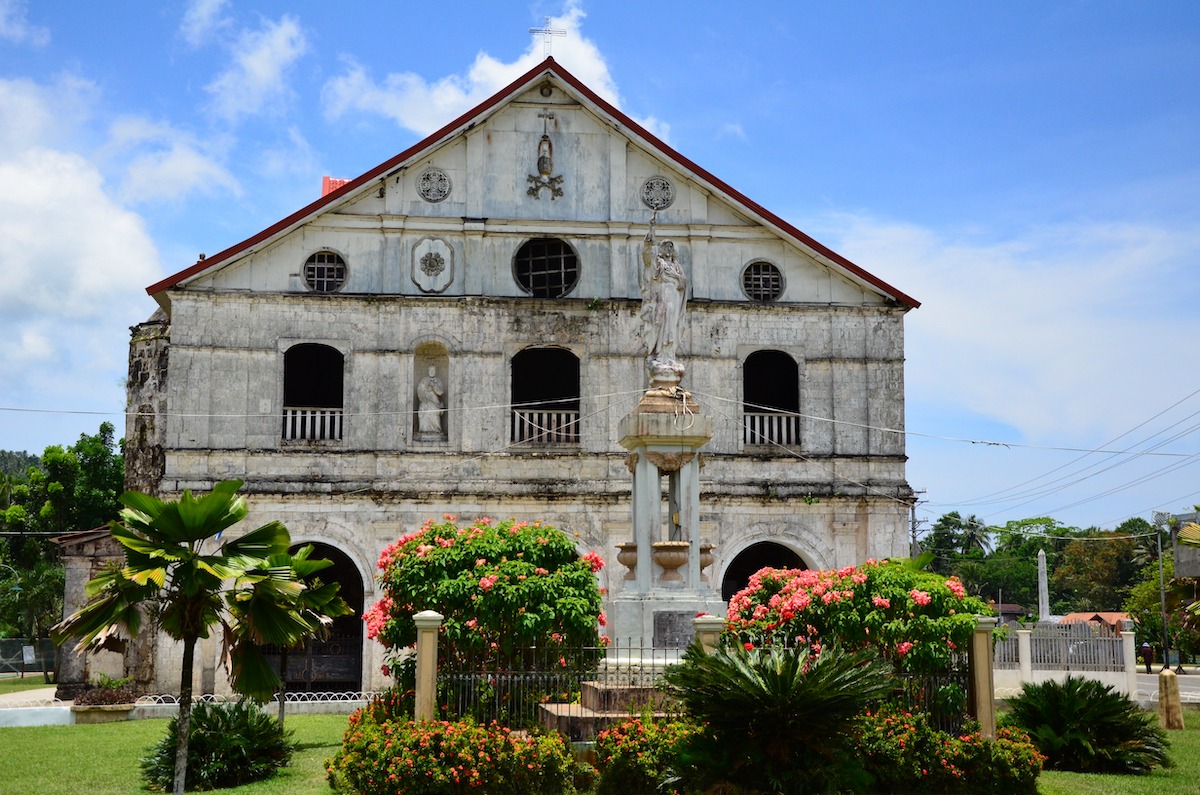
The Holy Trinity Church, commonly referred to as Loay Church, is situated on a plateau facing the sea, near the mouth of Loboc River. Unique in its design, Loay Church’s bell tower is a separate structure, a few steps away from the main church. Its Neoclassical altars and trompe-l’œil paintings, along with artworks depicting Biblical scenes, make it a site of both artistic and historical significance. The post-earthquake restoration of Loay Church included fixing the coral stone walls and renovating the portico, ensuring the preservation of its historical essence.
Balilihan Church: A Fusion of Architectural Styles
Balilihan Church: Architectural Harmony
Location: Balilihan, Bohol
Balilihan Church, originally a tabique and nipa structure, was rebuilt in the early 20th century. It now stands as a testament to the fusion of different architectural styles. The church features a cruciform plan, a portico, and a bell tower in front of the façade. A unique feature is its squat octagonal cupola atop the roof. The interior of Balilihan Church is adorned with paintings by Ray Francia, combining Corinthian columns, Neo-Gothic spires, Baroque volutes, and Art Deco openwork in its design.
Culinary and Accommodation Recommendations
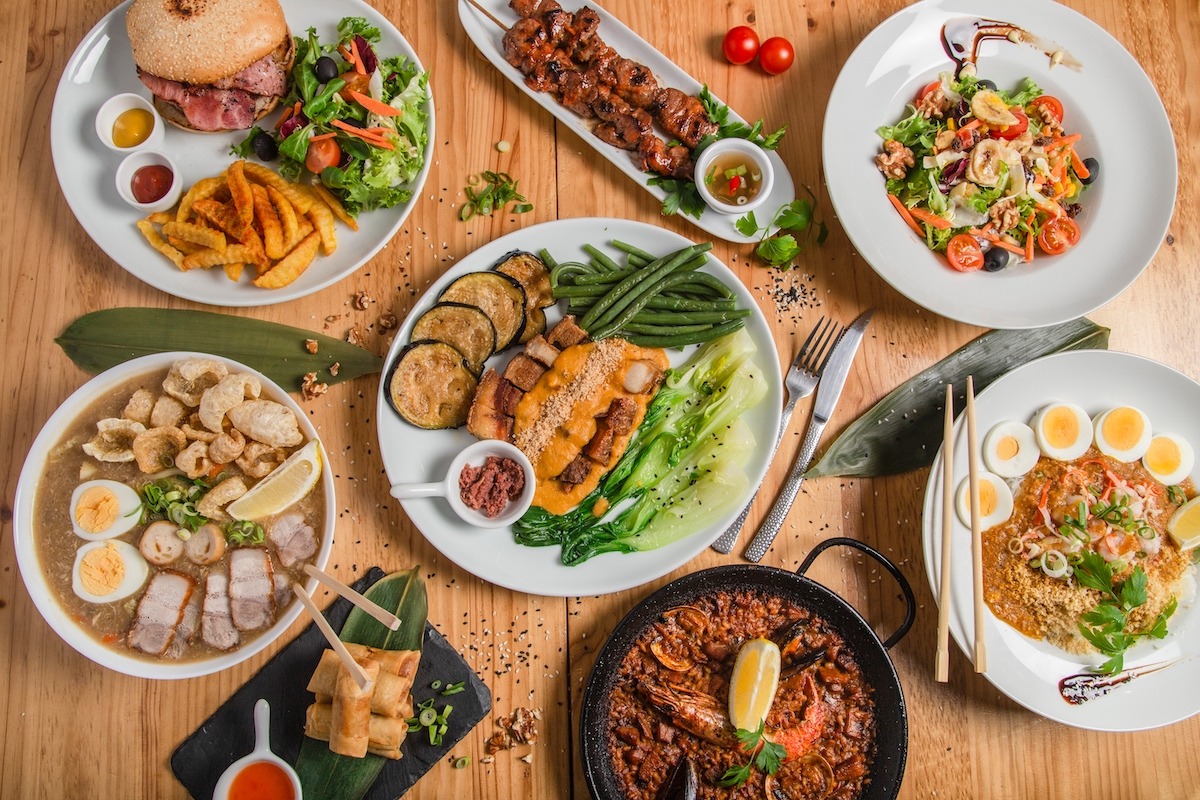
Bohol is not just about historical sites; it’s also a culinary haven. After a day of exploring, indulge in the local flavors at places like Cresencia Café in Baclayon City, known for its freshly grilled seafood and classic Filipino dishes. Pair your heritage tour with culinary delights to fully experience Bohol’s culture.
Comfortable Stays: Where to Lodge in Bohol
From budget-friendly to luxury hotels, Bohol caters to every traveler’s needs. Enhance your heritage tour with a stay at one of Bohol’s top-rated hotels like the Henann Resort Alona Beach or the Bohol Tropics Resort, known for their exceptional service and value. Find the perfect place to relax and reflect on your cultural journey on our list of top accommodations in Bohol.
Embracing Bohol’s Resilience and Faith
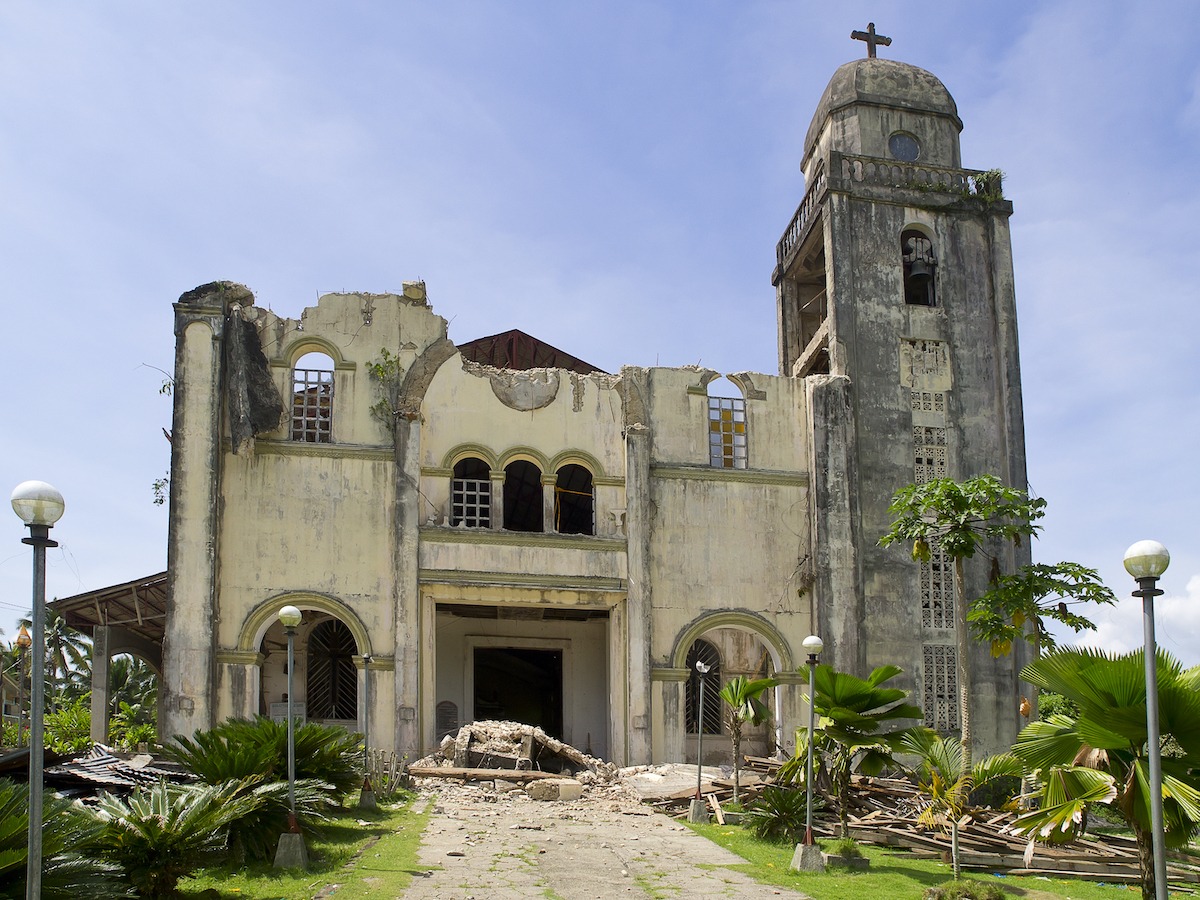
The 2013 earthquake in Bohol was a significant event that tested the resilience of its people and heritage sites. The rapid response in restoring and preserving these centuries-old churches is a reflection of the Boholanos’ strong sense of community and deep-rooted faith. These restoration efforts not only revived the physical structures but also reinforced the cultural and spiritual bonds within the community.
Additional Information and Travel Tips
When planning your visit to Bohol, the best times to explore these heritage sites are typically during the cooler months from November to February. Public transportation is readily available, but renting a scooter or a car can offer more flexibility for a thorough exploration of Bohol’s rich history. Respecting the cultural norms and traditions of Bohol is essential; modest clothing is recommended when visiting these sacred sites.
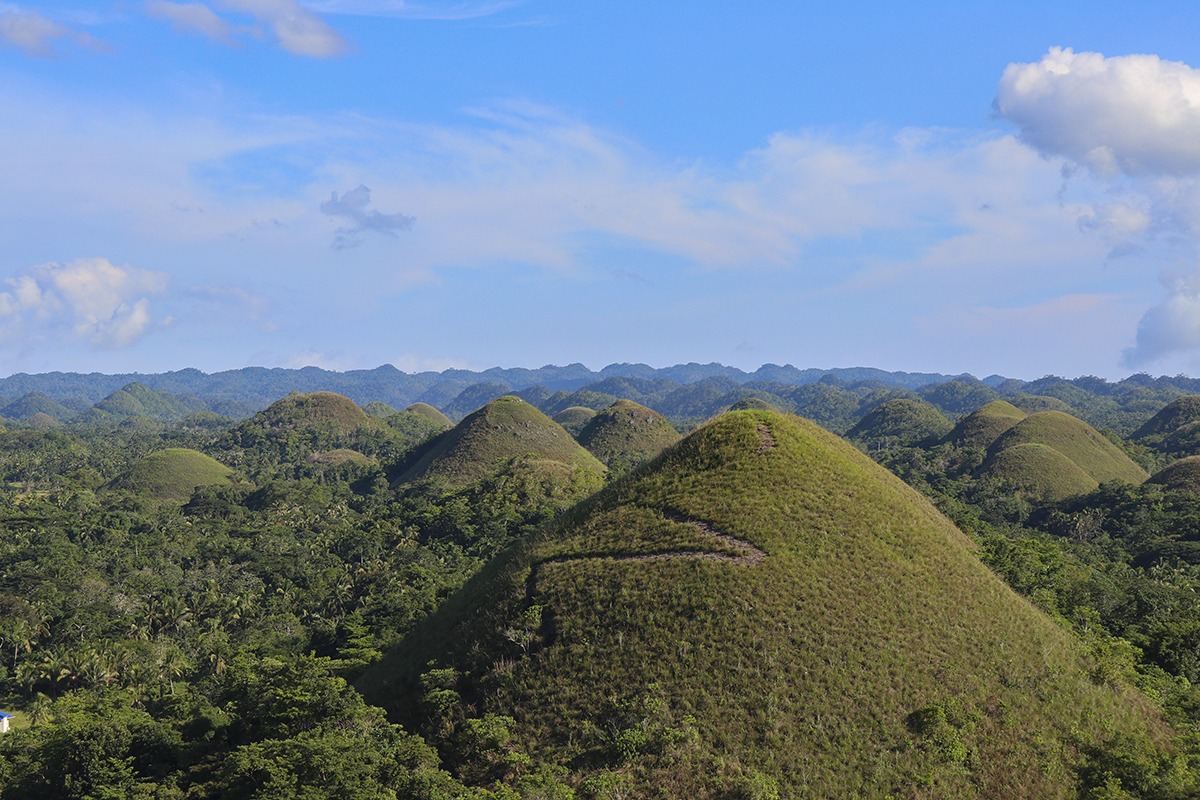
Bohol’s heritage tour extends beyond its historical churches. The island is also renowned for its stunning beaches, the iconic Chocolate Hills, and the endangered Philippine Tarsier, making it a diverse destination for travelers. After a day of historical exploration, unwind at one of Bohol’s pristine beaches or partake in eco-tourism activities that highlight the island’s natural beauty.
Encouraging Exploration Beyond Churches
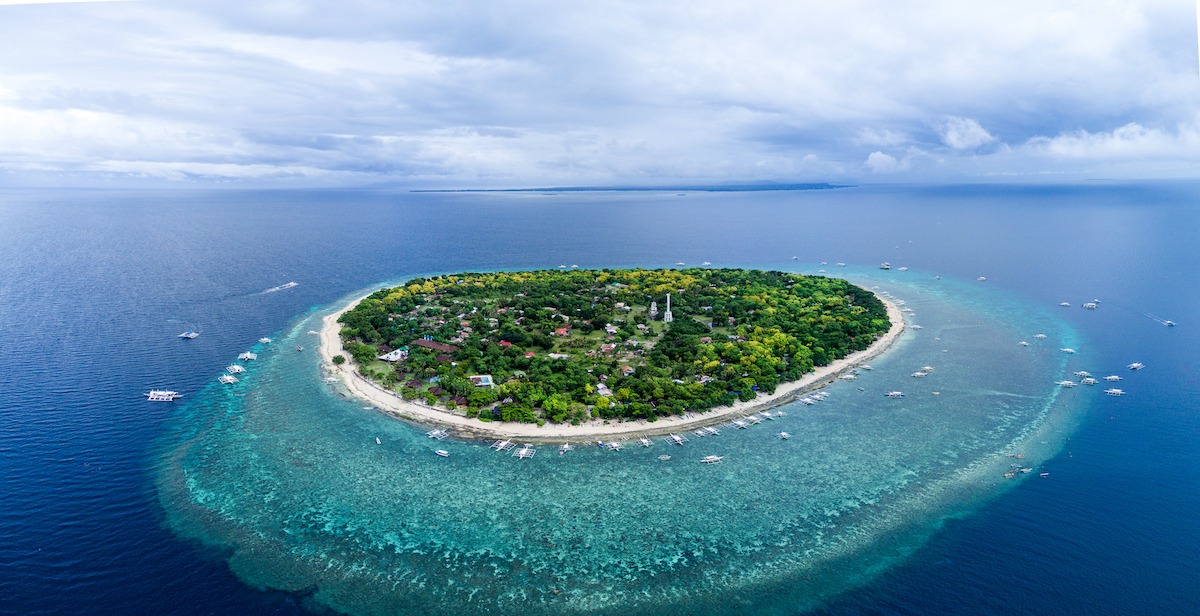
Bohol’s allure doesn’t end with its historical and religious sites. The island offers a myriad of experiences, from its breathtaking natural attractions to its vibrant local culture. Dive into the rich marine life at Balicasag Island, bask in the sun at Alona Beach, or trek through the man-made forest for an adventure amidst nature. Each experience in Bohol is a piece of a larger mosaic, showcasing the island’s multifaceted charm.
In summary, Bohol’s Heritage Tour offers a unique glimpse into the Philippines’ rich colonial past, showcasing centuries-old churches and structures that stand as symbols of faith, resilience, and architectural brilliance. Coupled with the island’s natural beauty and warm hospitality, a visit to Bohol is not just a journey through historical landmarks, but an immersive experience in Filipino culture and heritage. Whether you’re a history enthusiast, a cultural explorer, or simply seeking a serene getaway, Bohol’s blend of history, nature, and tradition makes it a must-visit destination in the Philippines.