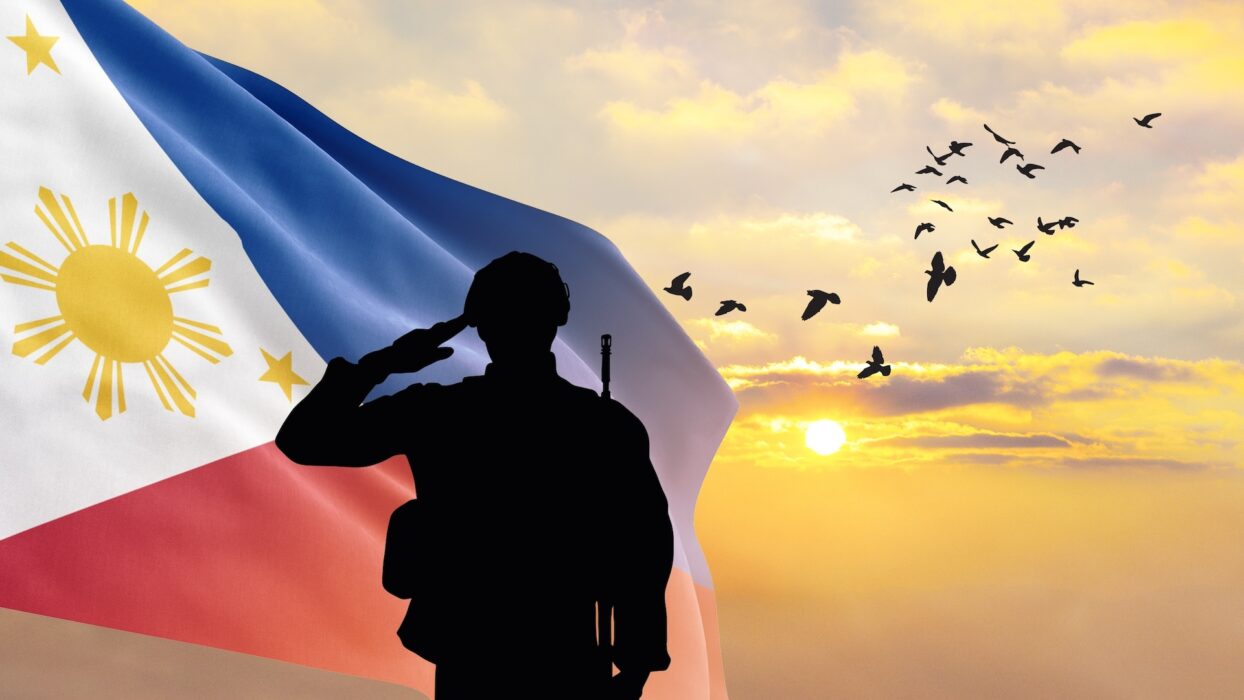
Experiencing National Heroes’ Day, or Araw ng mga Bayani, in Manila is an opportunity to immerse yourself in the rich history and culture of the Philippines. This public holiday, celebrated every last Monday of August, honors the bravery and sacrifice of Filipino heroes who fought for the country’s freedom and independence. Whether you’re a history enthusiast, a culture buff, or simply looking to explore Manila’s vibrant cityscape, this guide will help you make the most of this significant day.
Understanding the Significance of National Heroes’ Day
National Heroes’ Day commemorates the courage and patriotism of Filipino heroes, those known and unknown, who played pivotal roles in the country’s struggle for independence. From the celebrated figures like José Rizal and Andres Bonifacio to the countless unnamed heroes, this day pays tribute to their enduring legacy. The holiday serves as a reminder of the Philippines’ rich history and the values of freedom and equality.
Historical Sites to Visit
Manila is home to several historical landmarks that serve as poignant reminders of the nation’s past. Visiting these sites offers a deeper understanding of the significance of National Heroes’ Day.
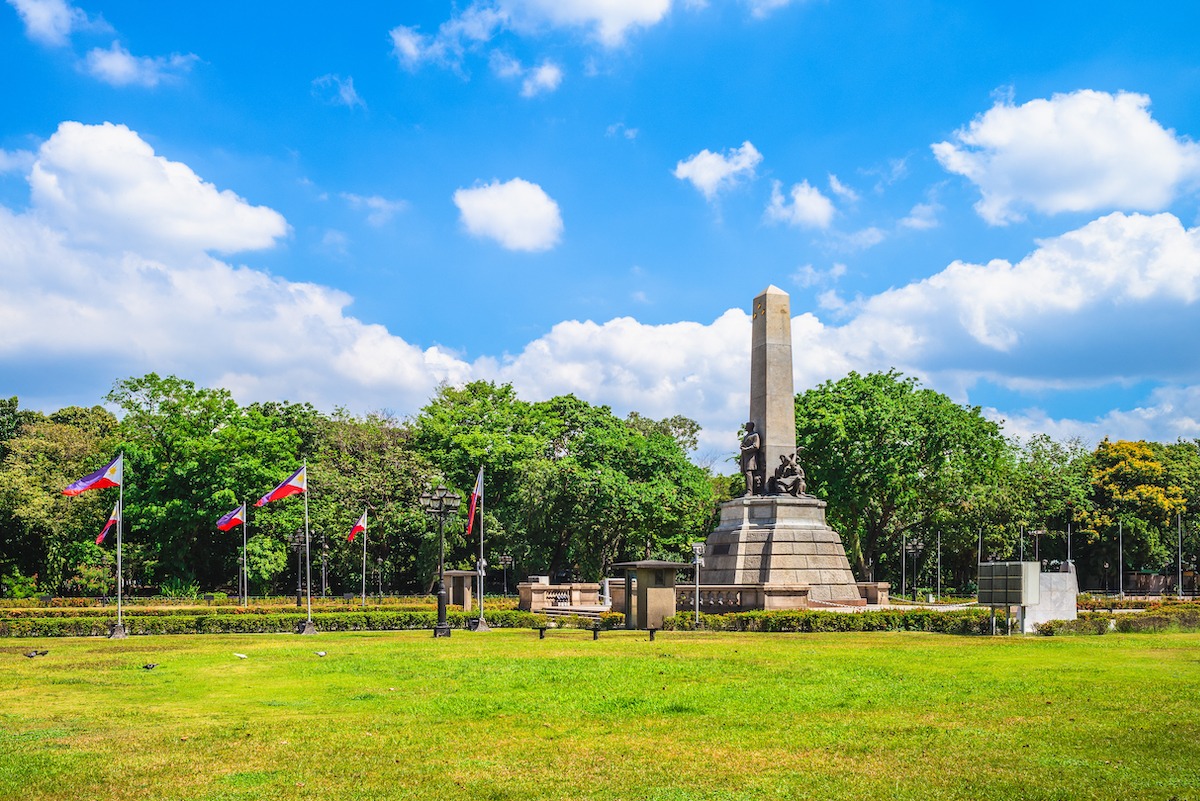
Rizal Park (Luneta)
Rizal Park, also known as Luneta, is one of the most significant historical sites in Manila. It is named after the national hero José Rizal, who was executed here in 1896. The park features a monument dedicated to Rizal, where ceremonies and commemorations take place every National Heroes’ Day.
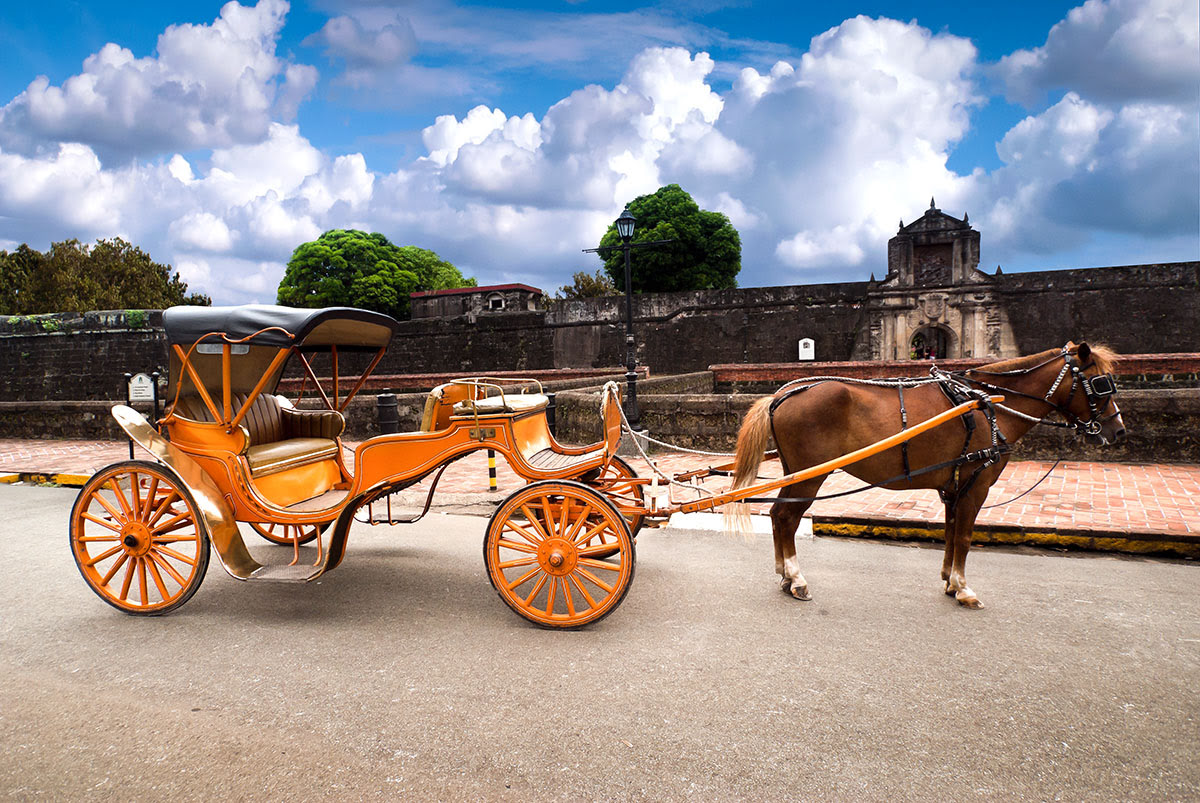
Intramuros
Known as the “Walled City,” Intramuros is a historic area that dates back to the Spanish colonial period. The cobblestone streets and preserved architecture transport visitors back in time, offering a glimpse into Manila’s storied past. Key attractions within Intramuros include Fort Santiago, Manila Cathedral, and San Agustin Church.
Events and Activities
National Heroes’ Day in Manila is marked by a variety of events and activities that celebrate the contributions of Filipino heroes. Here are some key events to look out for:
Commemorative Ceremonies
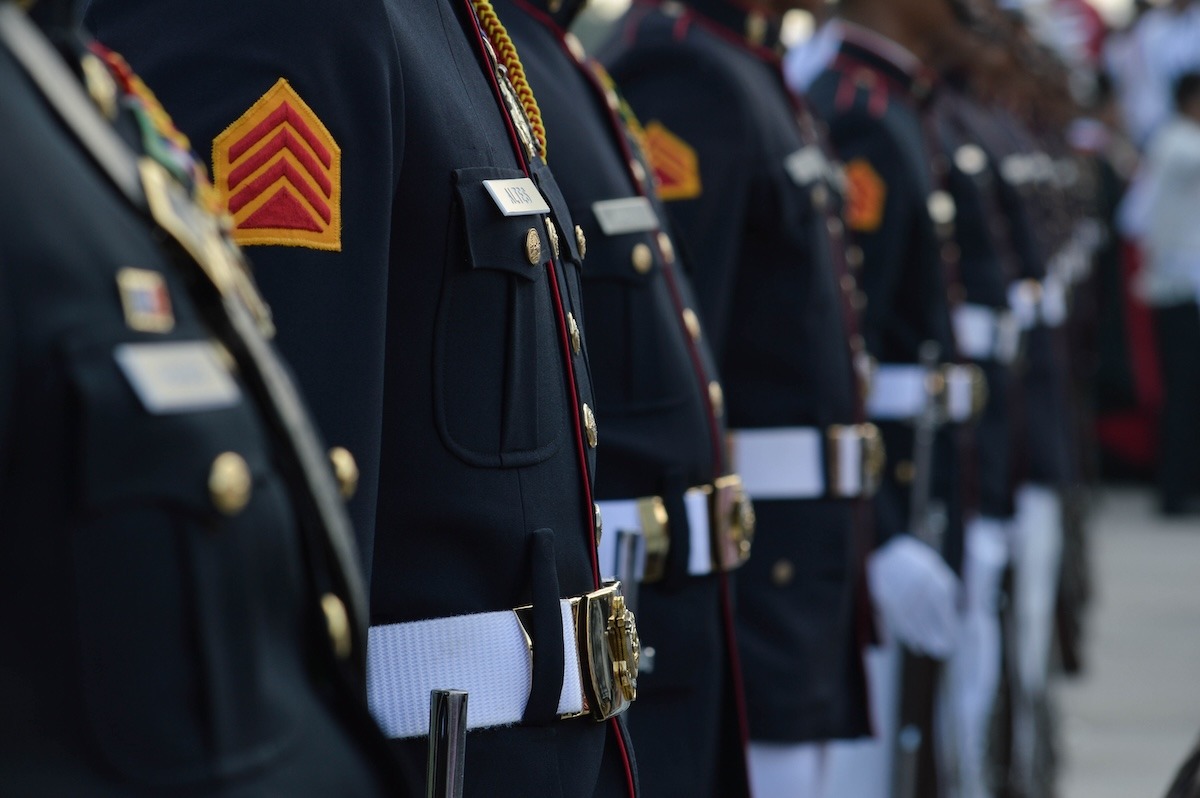
Commemorative ceremonies are held at various historical sites, including Rizal Park and the Libingan ng mga Bayani (Cemetery of Heroes). These events typically feature wreath-laying ceremonies, speeches by government officials, and performances by cultural groups.
Parades and Cultural Displays
The streets of Manila come alive with parades and cultural displays that showcase traditional Filipino music, dance, and attire. These vibrant processions offer a colorful insight into the nation’s diverse cultural heritage.
Exhibits and Lectures
Museums and cultural institutions often host special exhibits and lectures focusing on the lives and contributions of Filipino heroes. These educational events provide an in-depth look into the history and significance of National Heroes’ Day.
Day-by-Day Itinerary for Celebrating National Heroes’ Day in Manila
Day 1: Arrival and Exploration of Intramuros
Upon arrival in Manila, check into your hotel and take some time to rest. Spend your afternoon exploring Intramuros, visiting its key attractions including Fort Santiago, Manila Cathedral, and San Agustin Church. End your day with a traditional Filipino dinner at a local restaurant.
Day 2: Rizal Park and National Museum
Begin your day with a visit to Rizal Park, where you can join the commemorative ceremonies and pay your respects at the Rizal Monument. In the afternoon, head to the National Museum to explore exhibits that detail the nation’s history and cultural heritage.
Day 3: Libingan ng mga Bayani and Parades
Spend your day visiting the Libingan ng mga Bayani, where you can participate in wreath-laying ceremonies and honor the nation’s heroes. In the evening, enjoy the parades and cultural displays that take place throughout the city.
Day 4: Cultural and Culinary Experience
Dive into Manila’s vibrant culture by visiting local markets, sampling traditional Filipino dishes, and attending cultural performances. Don’t forget to try the famous halo-halo, a popular Filipino dessert.
Day 5: Relaxation and Reflection
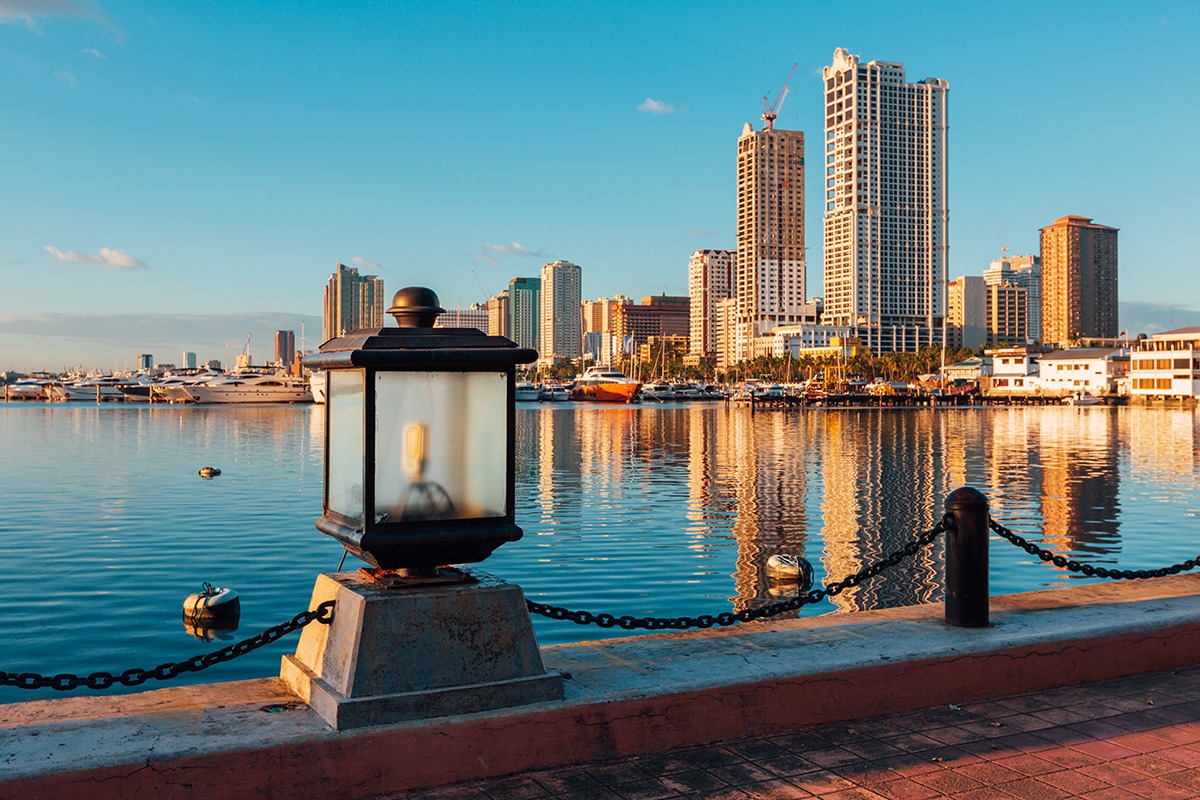
Take a day to relax and reflect on your experiences. Visit one of Manila’s many parks or gardens, and spend your evening enjoying a sunset view at Manila Bay.
Practical Information for Travelers
Transportation
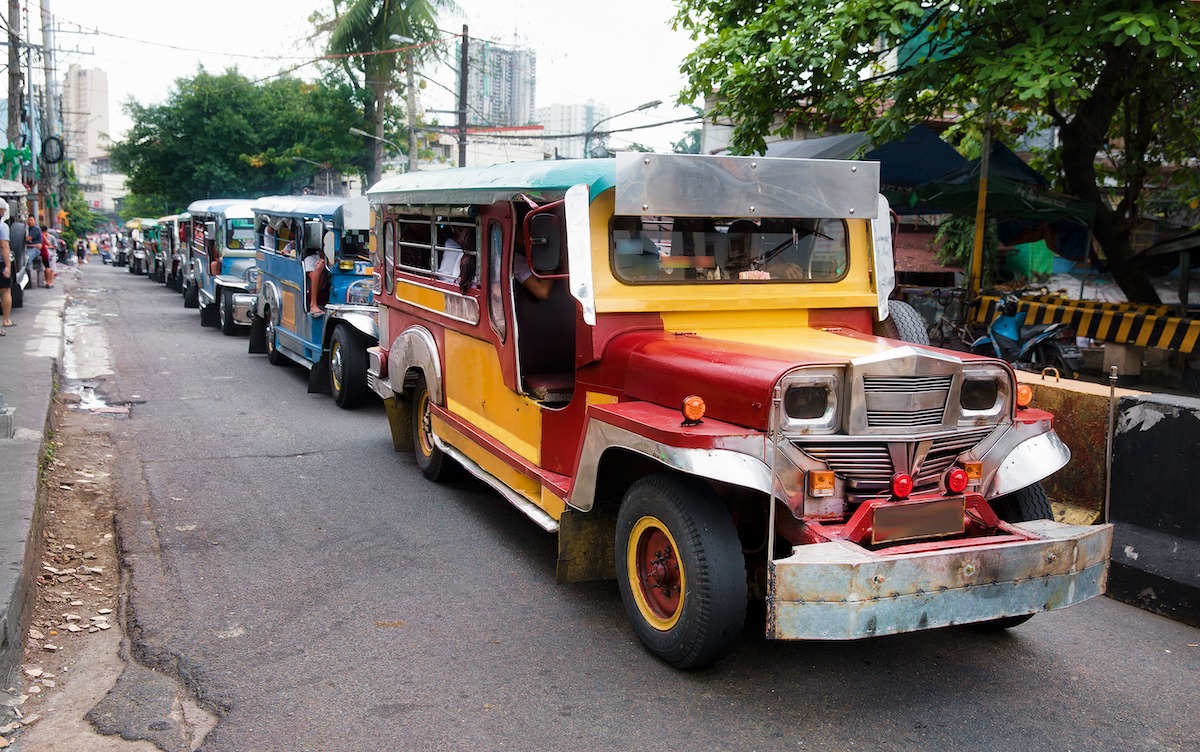
Manila is well-connected by public transportation, including buses, jeepneys, and the LRT/MRT train system. Taxis and ride-hailing services like Grab are also widely available.
Weather and Packing Tips
August in Manila is part of the rainy season, so pack an umbrella and light, waterproof clothing. Temperatures are warm, ranging from 25°C to 31°C (77°F to 88°F).
Cultural Etiquette
Filipinos are known for their hospitality and respect for traditions. When visiting historical sites and attending ceremonies, dress modestly and show respect for the local customs.
Language
While Filipino (Tagalog) is the national language, English is widely spoken and understood. Learning a few basic Filipino phrases can enhance your travel experience.
Sustainability and Conservation Focus
Manila is making strides towards sustainability. When exploring the city, be mindful of your environmental impact. Support eco-friendly establishments and participate in community-based tourism initiatives.
Photography Tips and Spots
For the best photographs, visit Rizal Park early in the morning when it’s less crowded. Intramuros offers numerous picturesque spots with its historic architecture. Manila Bay is perfect for capturing stunning sunset views.
Festivals and Events
Aside from National Heroes’ Day, Manila hosts numerous festivals throughout the year. These include the colorful Ati-Atihan Festival, the grand Santacruzan parade, and the vibrant Chinese New Year celebrations. Participating in these events offers a deeper appreciation of the city’s rich cultural diversity.
Celebrating National Heroes’ Day in Manila offers a unique opportunity to honor the nation’s history, explore its cultural landmarks, and engage with the local community. Whether you’re attending commemorative ceremonies, exploring historical sites, or enjoying cultural performances, this vibrant journey through Araw ng mga Bayani will leave you with lasting memories and a profound appreciation for the Philippines’ rich heritage.
For the best accommodations during your visit, check out these top-rated hotels in Manila on Agoda.