Welcome to the ultimate travel guide that will take you from the bustling metropolis of Singapore to the serene natural beauty of Jeju Island. We’ll cover everything from detailed day-by-day itineraries, local experiences, dining options, and practical tips to make your journey unforgettable.
Day-by-Day Itinerary
Day 1: Arrival in Singapore
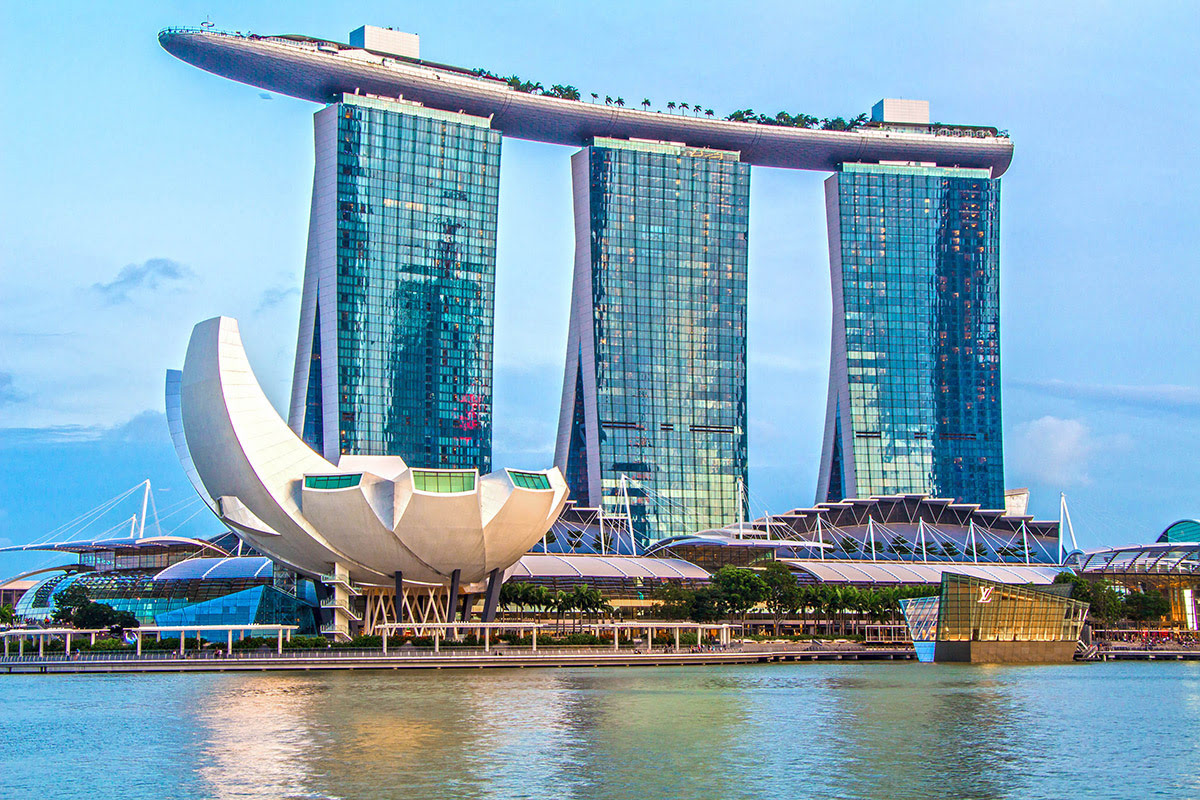
Arrive at Singapore Changi Airport, one of the world’s best airports. After check-in at your hotel, start your adventure with the iconic Marina Bay Sands and the stunning Gardens by the Bay.
Day 2: Cultural Immersion
Visit the historic Chinatown, explore the vibrant streets of Little India, and wander through the lively markets of Bugis Street. Don’t miss the culinary delights at the Maxwell Food Centre.
Day 3: Adventure and Fun
Spend the day at Sentosa Island. Enjoy the beaches, exhilarating rides at Universal Studios Singapore, and panoramic views from the Skyline Luge. In the evening, visit Clarke Quay for dinner and nightlife.
Day 4: Departure to Jeju
Catch a flight from Singapore Changi Airport to Jeju International Airport. Upon arrival, settle in and explore the local area. Visit the Yongduam Rock and enjoy a traditional Korean dinner.
Day 5: Exploring Eastern Jeju
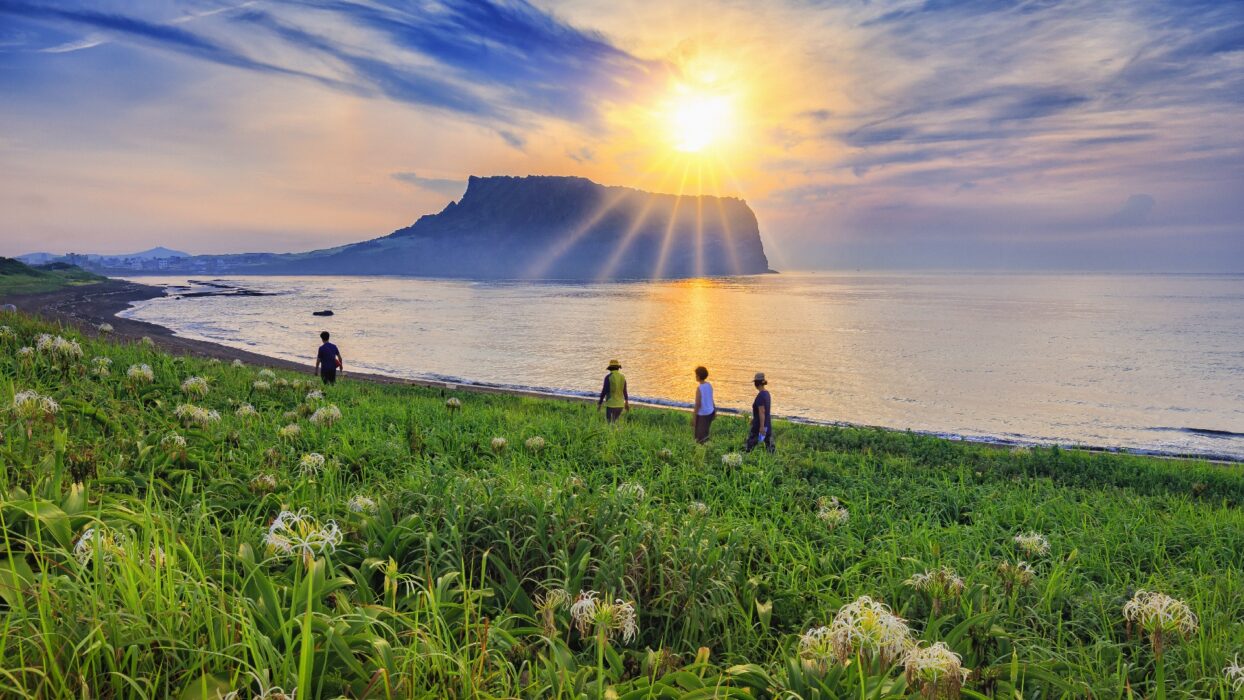
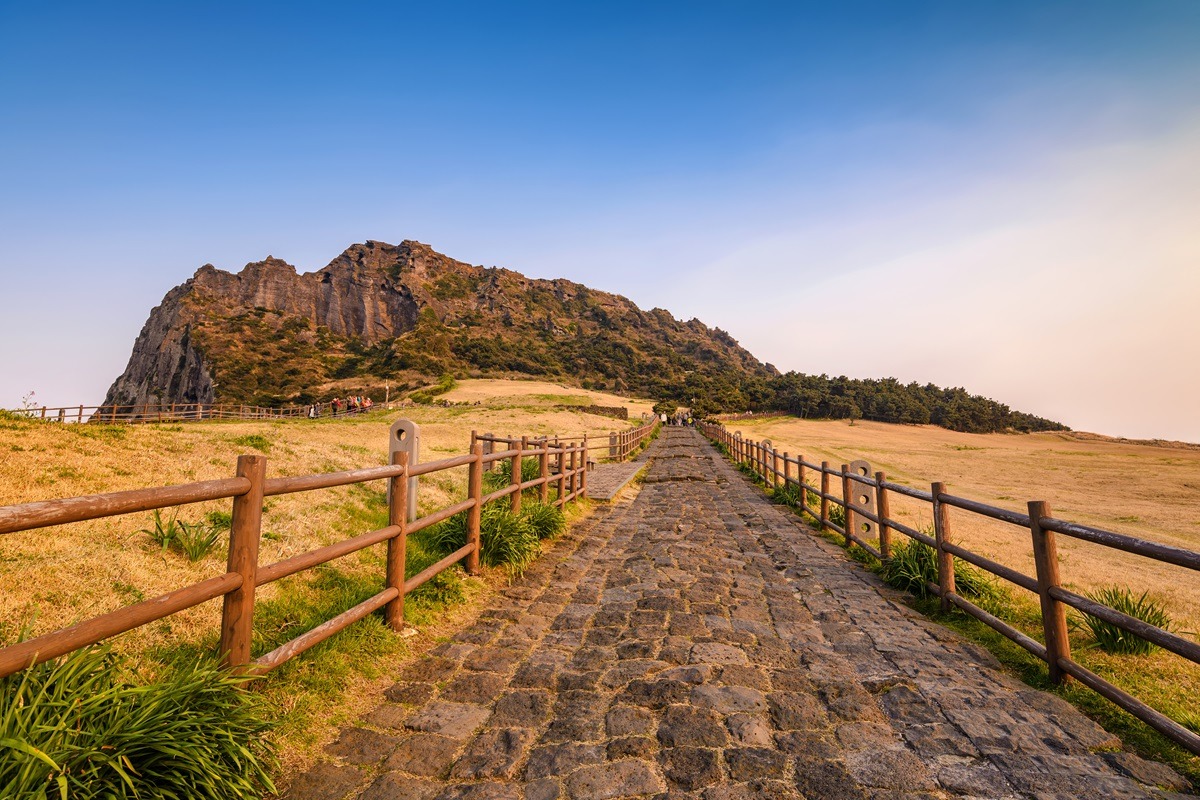
Start the day with a visit to the Manjanggul Cave, one of the world’s largest lava tunnels. Continue to the Seongsan Ilchulbong Peak, a UNESCO World Heritage site. Conclude your day with a stroll along Seopjikoji.
Day 6: Western Jeju Adventures
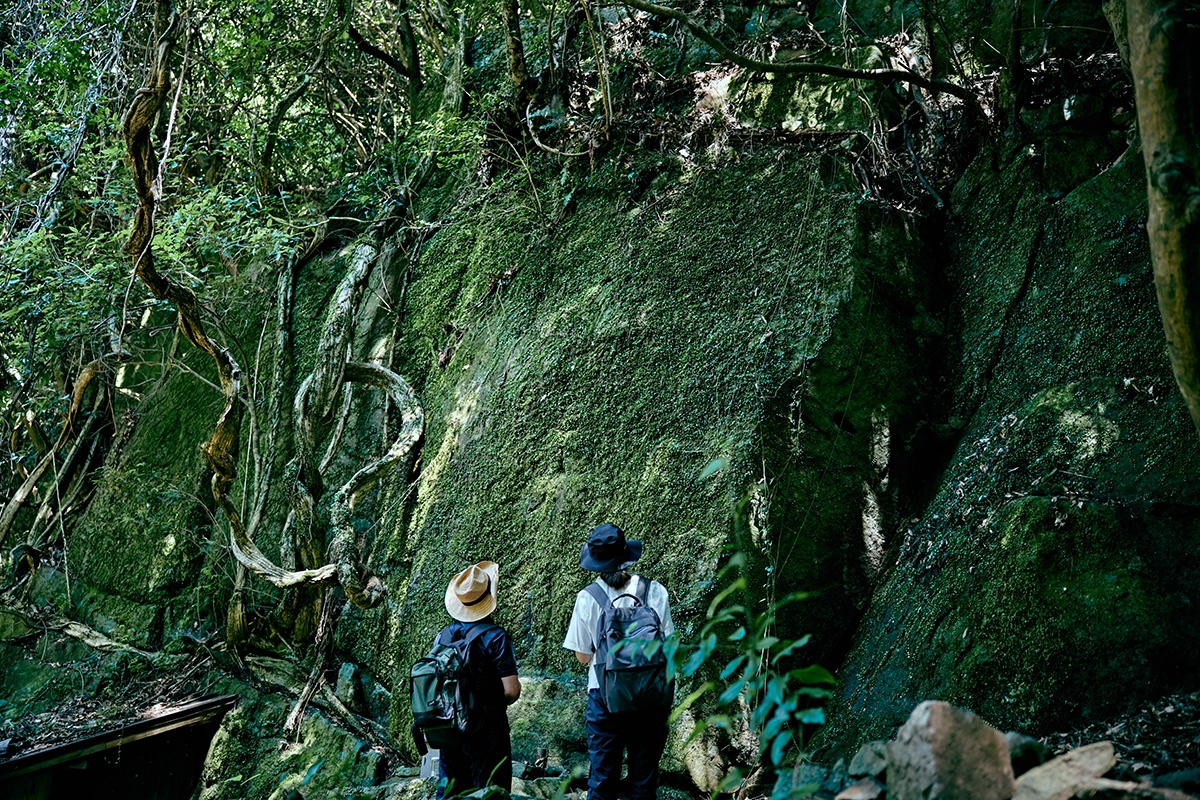
Head to Hallasan National Park for a hike to the summit of Hallasan Mountain, offering panoramic views of Jeju. Visit the surreal Jeju Loveland and explore the charming city of Seogwipo. Enjoy fresh seafood at a local restaurant.
Day 7: Relaxation and Departure
Spend your final day at the Jeju Stone Park and indulge in relaxation at a traditional Korean spa. Enjoy your last bits of Jeju Island by visiting local markets and picking up some souvenirs before your departure.
Historical Context and Folklore
Understanding the history and folklore of a place enriches your travel experience. Singapore, a melting pot of cultures, has a history dating back to its founding by Sir Stamford Raffles in 1819. Icons like the Merlion symbolize Singapore’s origins as a fishing village combined with its modern prowess.
Jeju Island, often called the “Island of Gods,” is steeped in myth and legend. From the demigod creator of Hallasan Mountain to the mysterious stone statues known as Dol Hareubang, Jeju’s folklore adds a mystical layer to its scenic landscapes.
Culinary Deep Dive
Enjoy the diverse culinary offerings of both Singapore and Jeju:
Singapore
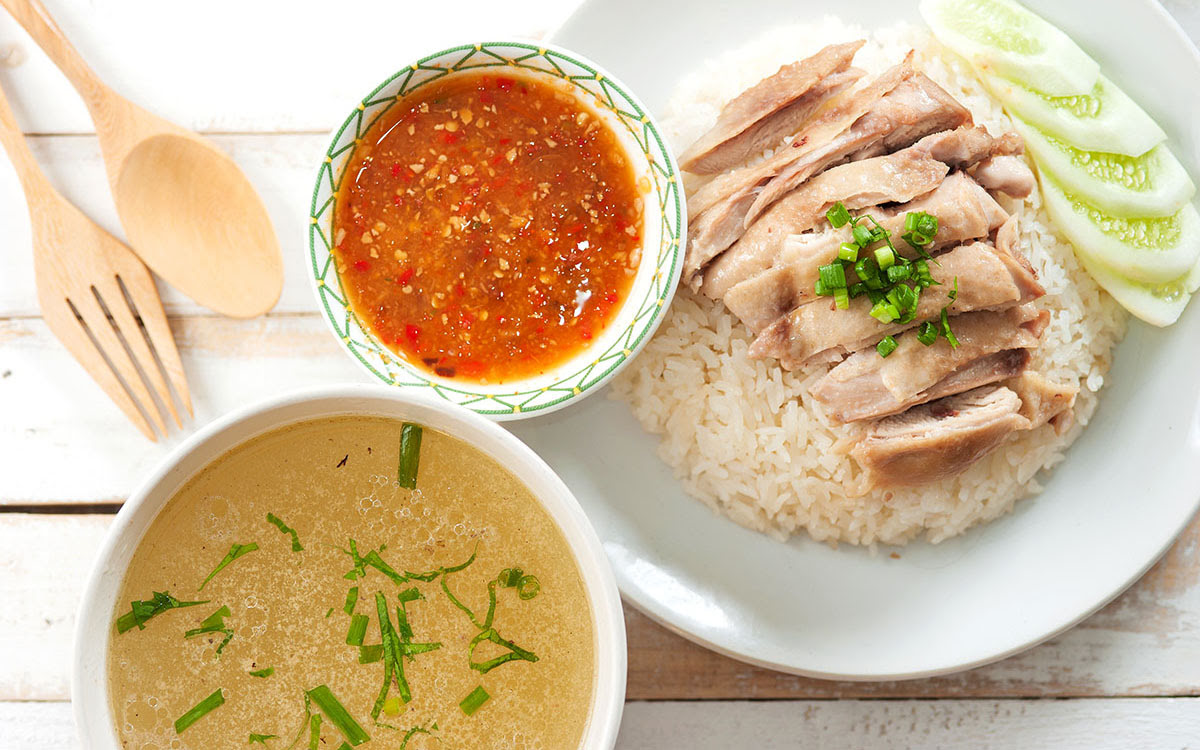
- Hainanese Chicken Rice: A simple yet flavorful dish of tender chicken and fragrant rice served with a ginger-chili sauce.
- Chili Crab: A Singaporean delicacy featuring fresh crab cooked in a rich, spicy tomato sauce.
- Satay: Skewers of marinated meat grilled to perfection, served with peanut sauce.
Jeju
- Black Pork BBQ: Jeju’s signature dish made from locally raised black pigs, known for their tender and flavorful meat.
- Abalone Porridge: A nutritious and delicious porridge made with fresh abalone from Jeju’s shores.
- Jeju Tangerines: Famous for their sweetness, these tangerines are a must-try when visiting the island.
Festivals and Events Coverage
Both destinations offer vibrant festivals and events:
Singapore
- Singapore Food Festival: An annual celebration of Singapore’s culinary diversity.
- Chinese New Year: Festivities featuring lion dances, parades, and traditional feasts.
- Formula 1 Night Race: A thrilling motorsport event held on the streets of Singapore.
Jeju
- Jeju Fire Festival: Celebrates the island’s agricultural heritage with vibrant fire displays.
- Jeju Cherry Blossom Festival: A springtime festival showcasing the island’s cherry blossoms in full bloom.
- Jeju International Wind Ensemble Festival: A unique event featuring kite flying, windsurfing, and other wind-related activities.
Practical Information for Travelers
Transportation: Singapore’s MRT system is efficient and easy to navigate. In Jeju, renting a car is recommended for exploring the island’s diverse landscapes.
Weather: Singapore has a tropical climate, with hot and humid weather year-round. Jeju experiences four distinct seasons, with autumn and spring being the most pleasant times to visit.
What to Pack: For Singapore, lightweight clothing and comfortable walking shoes are essential. In Jeju, pack layers, especially if hiking, due to varying temperatures.
Cultural Etiquette: Be respectful towards local customs and traditions. In Singapore, avoid touching someone’s head. In Jeju, bowing is a common greeting.
Language Tips: English is widely spoken in Singapore. In Jeju, basic Korean phrases can be helpful, though many locals understand some English.
Sustainability and Conservation Focus
When traveling, it’s essential to respect and preserve the natural beauty of each destination. Here are some tips:
Singapore: Utilize public transportation to reduce your carbon footprint. Participate in cleanup activities on beaches and dispose of waste responsibly.
Jeju: Support local conservation efforts by visiting eco-friendly attractions like Jeju Stone Park. Respect wildlife and natural habitats while exploring.
Traveling from the modern marvels of Singapore to the serene shores of Jeju Island offers a perfect blend of urban excitement and natural beauty. Both destinations have unique charm, rich culture, and endless opportunities for adventure and relaxation. Whether you’re exploring the bustling streets of Singapore or the tranquil trails of Jeju, this guide has everything you need to plan an unforgettable journey.