Northern Thailand, a region known for its misty mountains, lush forests, and tranquil villages, is also home to some of the most sacred and visually stunning temples in the country. If you’re wondering where to go in Northern Thailand, these sites are not just places of worship; they’re cultural landmarks steeped in history and tradition. Whether you’re drawn to the intricate artistry of Wat Pha Son Kaew, the historical significance of the Three Kings Monument, or the natural serenity of Wat Tilok Aram, the different temples in Northern Thailand each offer a unique journey into the heart of the spiritual Thailand landscape.
Check out the free “Connecting to Spiritual Thailand: A Guide to 60 Powerspots” e-book, developed by Palotai Design, to learn all about the unique history and importance behind some of Thailand’s most spiritual places.
Wat Pha Son Kaew (Phetchabun)
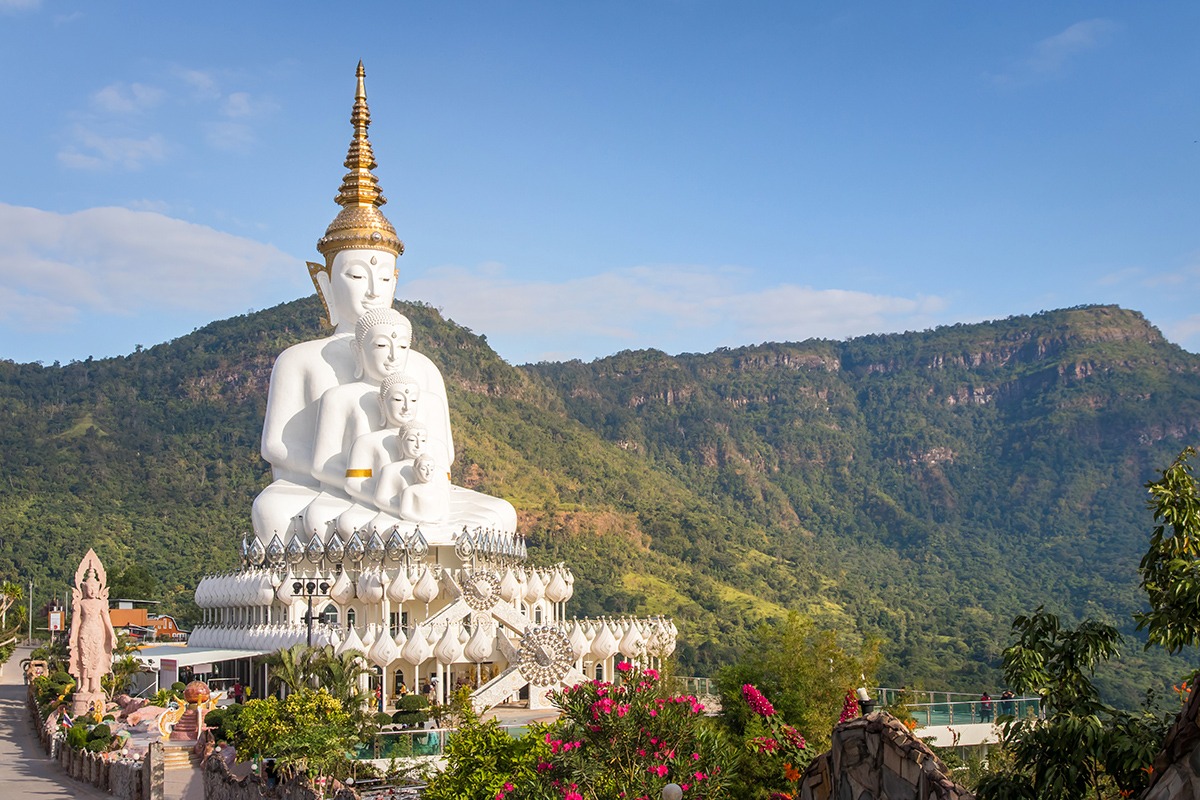
Nestled atop a hill in Phetchabun, Wat Pha Son Kaew is one of the most famous temples in Northern Thailand. The temple complex is renowned for its five white Buddhas, seated serenely against the backdrop of the lush Khao Khor mountains. Something else that makes Wat Pha Son Kaew stand out is the colorful mosaic tiles and pottery shards that adorn many of its structures, reflecting the sunlight in a dazzling display of colors. The temple’s stunning pagoda is topped by three golden lotus buds and covered in millions of these colored shards.
The temple grounds are not just a place for worship but also a space for meditation and reflection surrounded by nature. The beauty of Wat Pha Son Kaew embodies the essence of mindfulness and the Buddhist way of life. The peaceful environment encourages introspection, making it a sanctuary for those seeking to escape the hustle and bustle of everyday life and find a moment of peace within themselves. Visitors can hop on any bus between Lom Sak and Phitsanulok and get dropped off at the head of the access road, just an easy walk away.
Wat Ratchakhiri Hiranyaram (Phitsanulok)
Wat Ratchakhiri Hiranyaram, though less known among tourists, is one of the most spiritual places in northern Thailand to the locals of Phitsanulok. This temple, situated on a hill called Khao Samo Khlaeng, offers a panoramic view, creating a serene environment for both meditation and worship. The architecture is a blend of modern and traditional Thai designs, with intricate carvings and gold leaf decorations that highlight its sacredness. The tranquility of this temple provides a stark contrast to the bustling life in the cities, making it a perfect retreat for those seeking peace.
Wat Ratchakhiri Hiranyaram is home to a statue of Kuan Im, the Goddess of mercy. Carved out of rare, milky-white jade, the statue is a representation of purity. The headdress of the goddess also shows an image of her teacher, the Amitabha Buddha. Worshippers come to this temple to make wishes to the goddess by releasing lotus-shaped candles into the pond that surrounds her. Some also choose to continue on to the summit of the hill for even more breathtaking views of the countryside below.
Phra Mae Ya Shrine (Sukhothai)
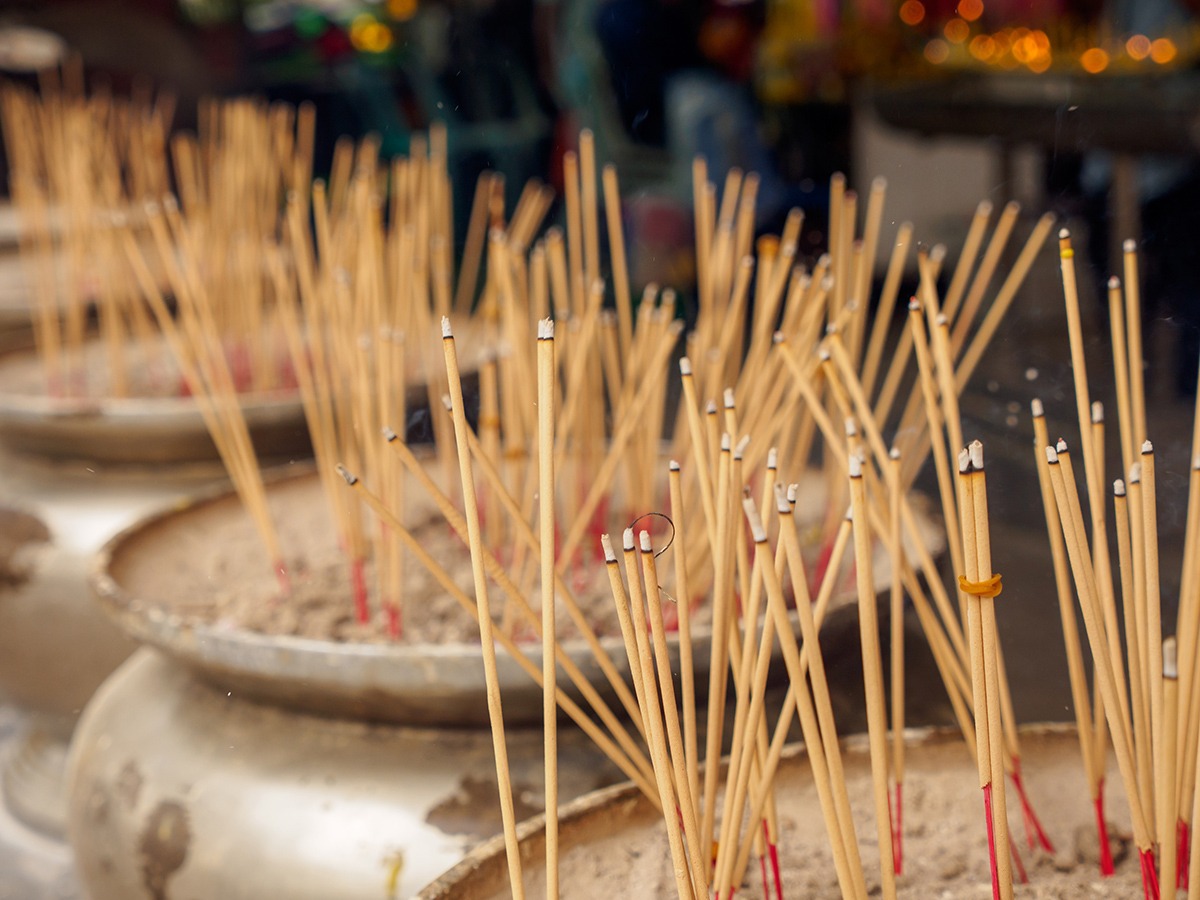
In the heart of Sukhothai, the ancient capital of Thailand, lies the Phra Mae Ya Shrine in front of the city hall. This shrine is dedicated to the spirit of a thirteenth-century queen, revered as the guardian of the city. The statue of Phra Mae Ya, covered in gold and decorated with a colorful cloth, symbolizes her maternal protection. Locals come here to pray for everything from career success to successful pregnancies. Common offerings include candles, incense sticks, marigolds, and custard cakes.
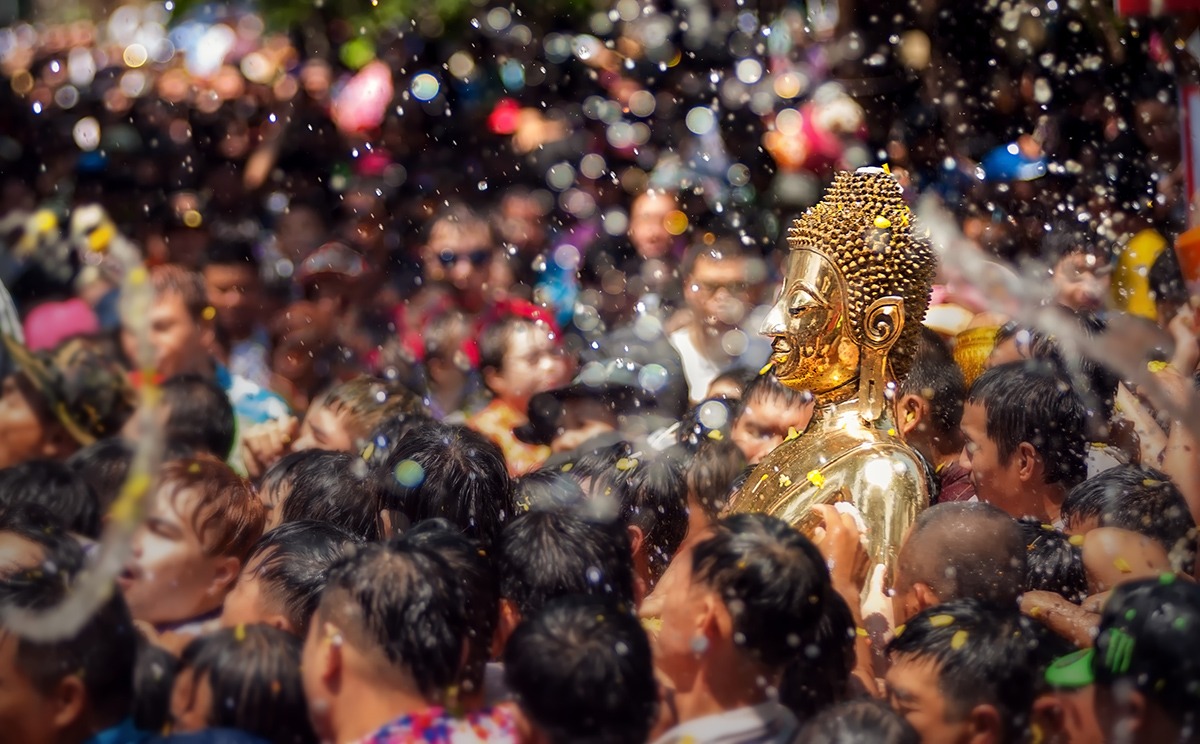
Phra Mae Ya Shrine is a focal point during local festivals, where the community comes together to pay homage to their guardian spirit. It is one of the best temples to visit in Northern Thailand during Songkran, the Thai New Year in April. During the festival, the statue of Phra Mae Ya is paraded through the streets and sprinkled with water along the way. The blend of historical reverence and festive celebration at this shrine encapsulates the harmonious balance between tradition and community spirit that is characteristic of Thai culture.
Naphamaythanidon Chedi & Napaphonphumsiri Chedi (Doi Inthanon, Chiang Mai)
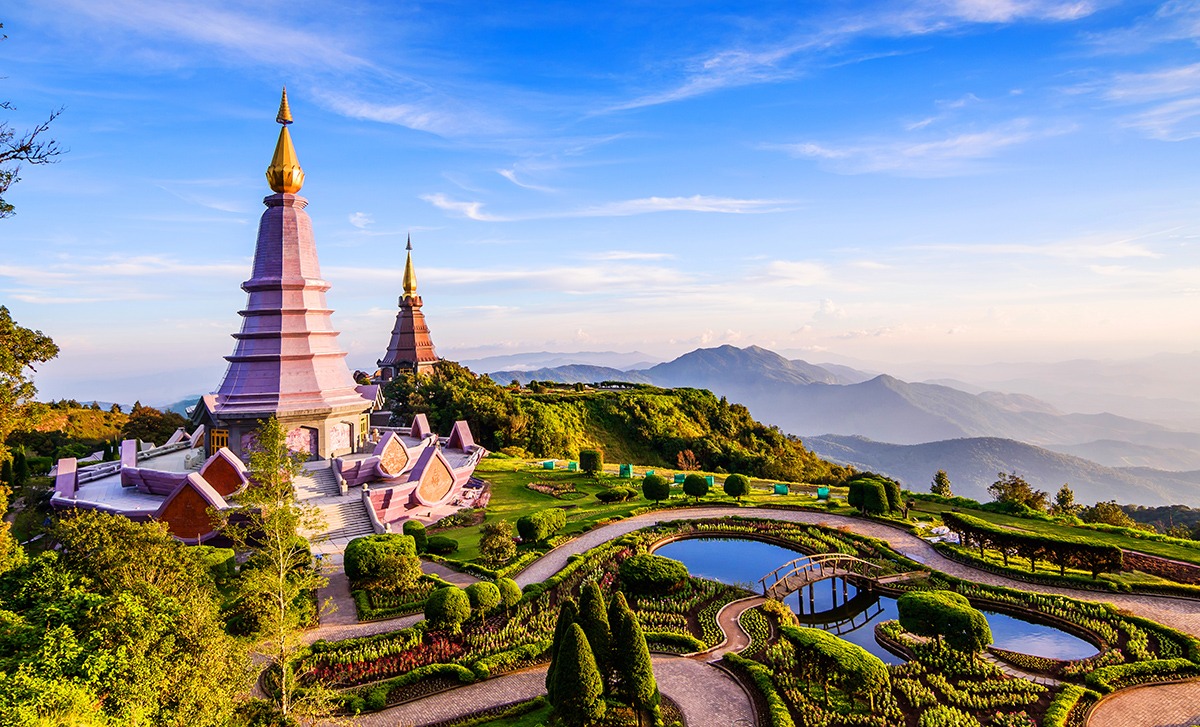
Doi Inthanon, Thailand’s highest mountain, is not just a natural wonder but also one of the most spiritual places in Northern Thailand. Here, the twin pagodas, Naphamaythanidon Chedi and Napaphonphumsiri Chedi, stand as a tribute to the previous king and queen of Thailand. They were built by the Royal Thai Air Force on the monarch’s 60th birthday anniversaries, in 1987 for the king and in 1992 for the queen. The pagodas are surrounded by beautifully landscaped gardens offering breathtaking views of the surrounding mountains and valleys.
The spiritual journey to the twin pagodas is enhanced by the natural splendor that surrounds Doi Inthanon. The area is not only a place for spiritual reverence but also a haven for nature lovers, with trails leading through lush forests and past cascading waterfalls. The Kew Mae Pan Trail is one of the most popular choices. Once you reach the pagodas, you can do as the locals do and pay homage to the Buddha and the spirits of the late king and queen in exchange for the power to attract money and good fortune into your life.
Three Kings Monument (Chiang Mai)
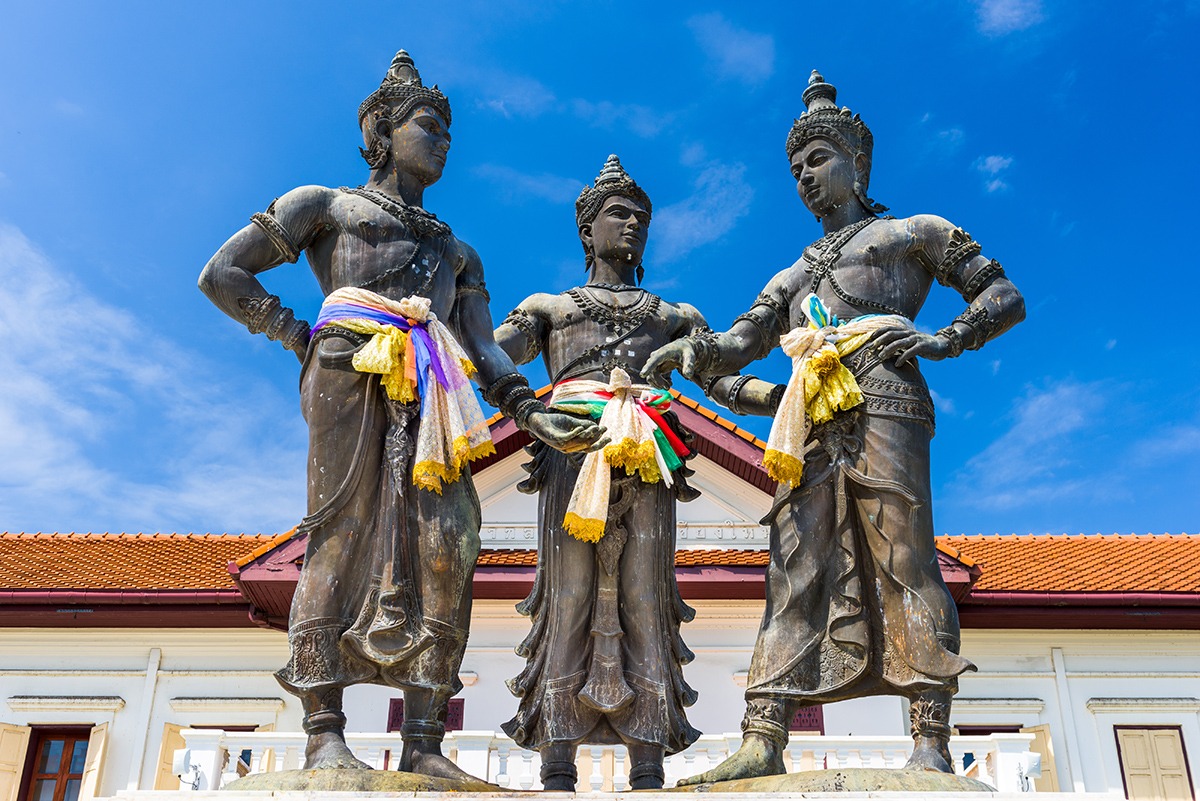
The Three Kings Monument holds a central place in the heart of Chiang Mai‘s old city. While not a temple in the traditional sense, this monument is deeply imbued with spiritual and historical significance. It commemorates the founding fathers of Chiang Mai, marking the city’s establishment and its rich cultural heritage. The three life-sized bronze statues depict the kings Mengrai (who founded the city in the year 1296), Ramkhamhaeng, and Ngam Muang.
The area around the monument serves as a gathering point for cultural festivals and ceremonies, bridging the past with the present and keeping spiritual Thailand alive. The significance of the Three Kings Monument extends into the educational realm as well, with the nearby Chiang Mai City Arts & Cultural Centre providing context and history to those interested in the origins and development of this vibrant city. Through interactive displays and exhibits, visitors can explore the legacy of the three kings and the evolution of Chiang Mai from a fortified city to a cultural and spiritual hub.
Wat Doi Kham (Chiang Mai)
Wat Doi Kham, located on the outskirts of Chiang Mai, is famed for its large, white-and-gold sitting Buddha statue that overlooks the city. This temple, with a history dating back more than 1,300 years, is associated with tales of miracles and the benevolence of the Buddha. The journey to the temple takes visitors through a path of lush greenery and tranquility, making it one of the best temples in northern Thailand for a spiritual pilgrimage experience. Once you reach it, the temple’s vantage point offers not only spiritual solace but also a panoramic view of Chiang Mai, reminding visitors of the city’s beauty and serenity.
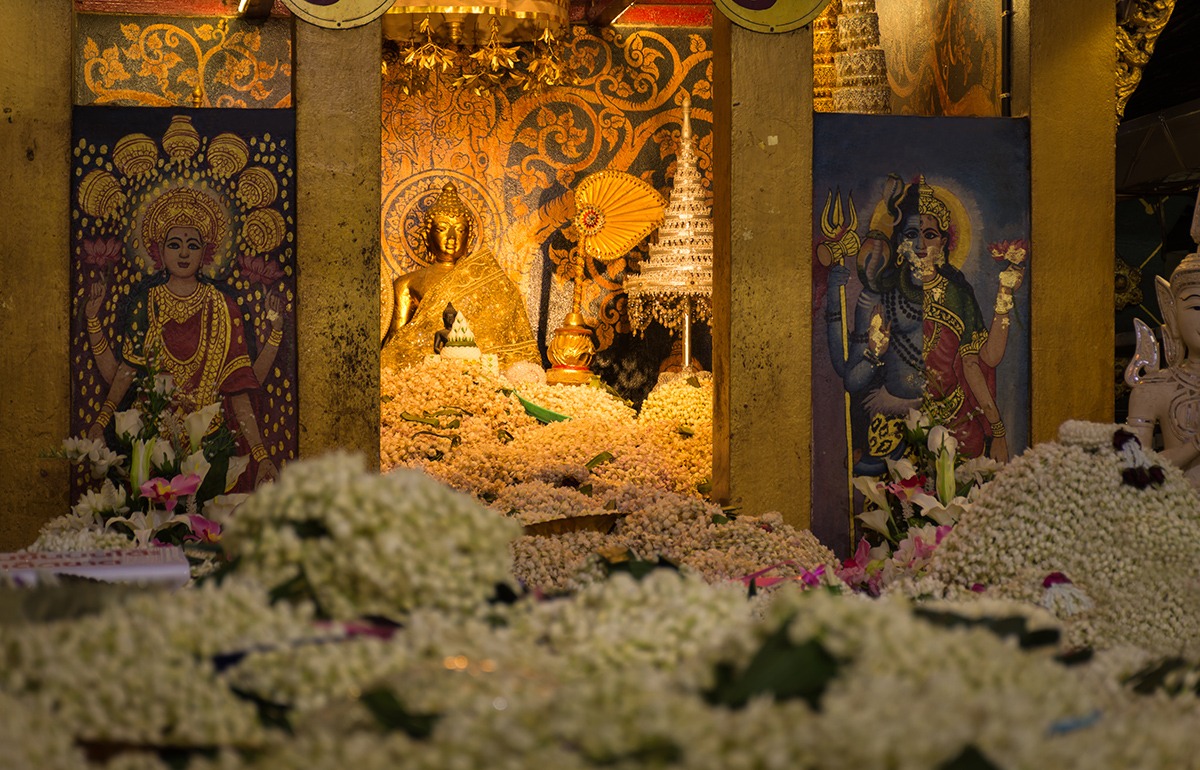
Wat Doi Kham’s allure also lies in its connection to local folklore, with tales of its protective powers and blessings for those who visit. Many come to the temple to offer jasmine flowers to the smaller statue of the Luang Por Tanjai Buddha, believed to bring good fortune and happiness. This blend of natural beauty, spiritual serenity, and cultural richness makes Wat Doi Kham a microcosm of Northern Thailand’s spiritual landscape, offering insights into the local beliefs and traditions that shape the community’s way of life.
Wat Phra That Doi Suthep (Chiang Mai)
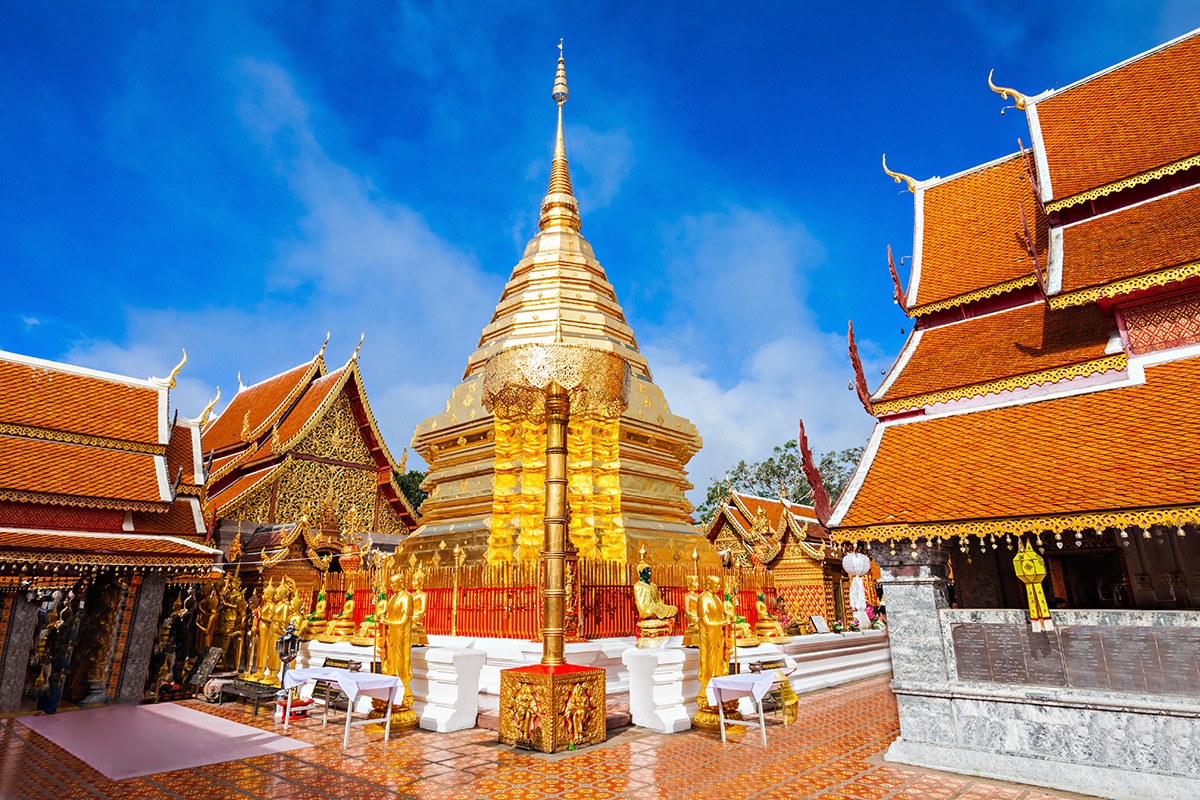
Easily another of the most famous temples in Northern Thailand, Wat Phra That Doi Suthep‘s golden spire is visible from almost anywhere in the city. According to legend, the temple was founded to house a piece of bone from the Buddha’s shoulder. The journey up the mountain to the temple is a pilgrimage, symbolizing the Buddhist path to enlightenment. The temple complex is a stunning example of Northern Thai architecture, adorned with intricate carvings and statues. The view from the temple grounds offers a serene overlook of Chiang Mai and the surrounding countryside, embodying the spiritual journey’s culmination in peace and enlightenment.
Legend has it that Wat Phra That Doi Suthep was built at the end of the 14th century by King Ku Na after he put the Buddha relic on the back of an elephant and waited to see where it would go. After the elephant climbed the hilltop, it turned clockwise three times, knelt down, and died. The temple was built on that spot. Today, pilgrims come and walk around the temple pagoda three times clockwise before they are sprinkled with water and oil blessed by the temple’s monks.
Wat Tilok Aram (Phayao)
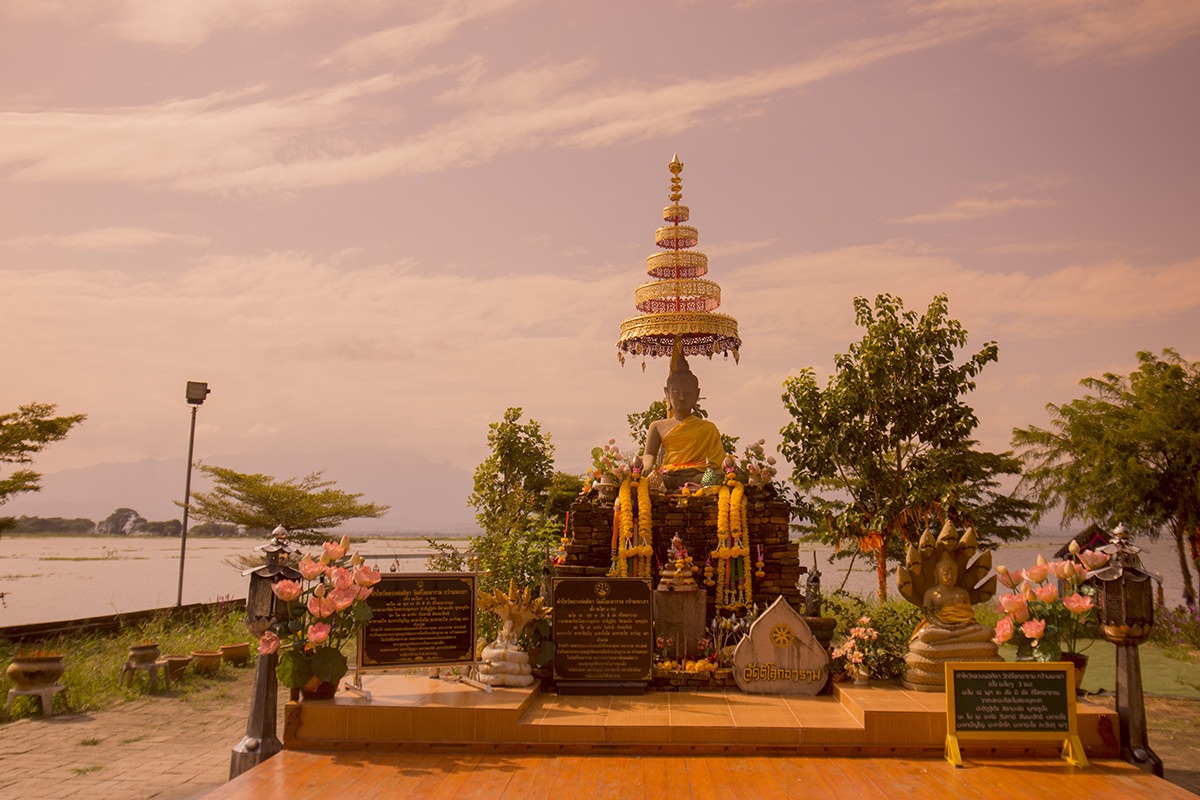
Located in the tranquil province of Phayao, Wat Tilok Aram is one of the most unique temples to visit in Northern Thailand. That’s because it is actually submerged in the waters of Kwan Phayao, a reservoir in the heart of the city that was created in 1939. Built between 1476 and 1486, the temple serves as a reminder of the impermanence of life, a core tenet of Buddhism. The one part of the temple that survives is the original sandstone Buddha image, which is today displayed on the islet alongside a small pagoda.
Visitors can take boat rides to view the temple’s remains and to visit the Buddha image with offerings of lotus flowers, incense sticks, candles, and marigolds. As they glide over the serene waters of Kwan Phayao to reach the temple ruins, they are invited to reflect on the passage of time and the impermanence of human endeavors. The submerged Wat Tilok Aram also serves as a poignant reminder of Thailand’s changing landscapes and communities over centuries.
Lak Muang (Chiang Rai)
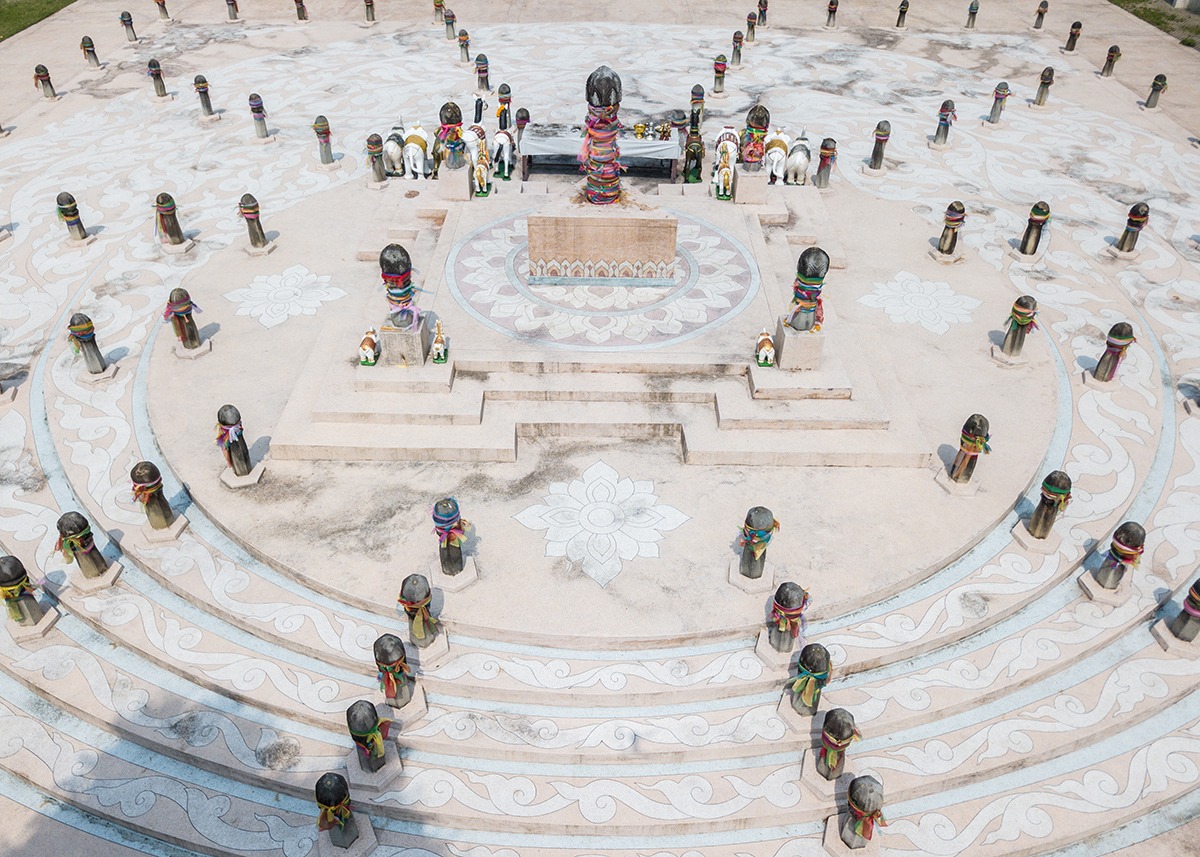
No tour of the top must-visit temples in Northern Thailand would be complete without Lak Muang. Many cities in Thailand have their own “lak muang” temple, which translates to “city pillar.” This temple, considered to be the spiritual heart of Chiang Rai, is traditionally believed to house the city’s guardian spirit. It is a place where locals come to offer prayers and pay respects to ensure the city’s prosperity and well-being. The site is marked by a beautifully crafted pavilion that houses the city pillar, surrounded by beautiful stone statues that represent the Buddhist conception of the cosmos.
The Lak Muang in Chiang Rai serves as a gathering point for various cultural events and rituals throughout the year, allowing visitors and locals alike to immerse themselves in tradition. It is custom for visitors to sprinkle water onto the shrine’s pillars, letting it flow into the basin below, and then dabbing it onto their heads for good luck. This vibrant intersection of faith, culture, and community life highlights the enduring significance of lak muang sites as the spiritual and cultural hearts of Thailand.