Welcome to the ultimate guide for experiencing the serene and traditional hospitality of Japanese ryokans. Nestled in stunning landscapes and steeped in history, these inns offer an unparalleled glimpse into the cultural soul of Japan. Let’s embark on a journey through one of the best ryokans Japan has to offer.
Day 1: Arrival and Immersion in Kyoto
Kyoto, the cultural heart of Japan, is an ideal starting point for your ryokan experience. From the moment you step off the train, the city’s historical charm and serene beauty will captivate you.
Arrival in Kyoto
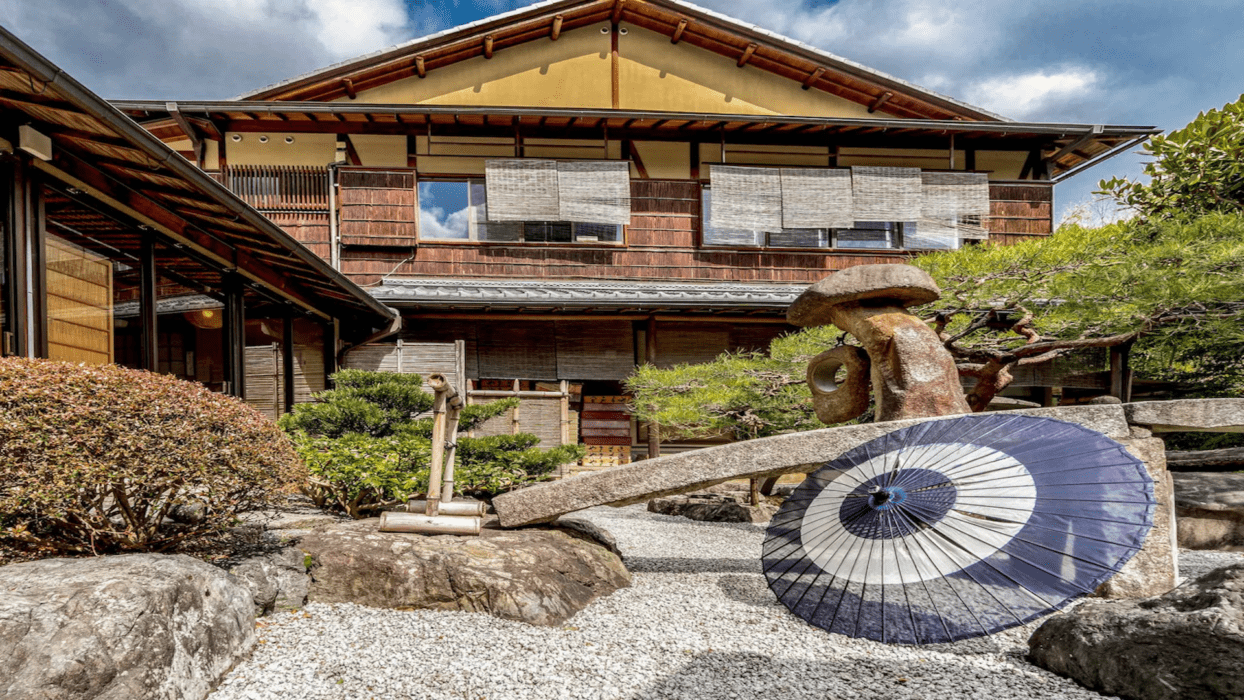
After arriving at Kyoto Station, take a taxi or local transportation to your ryokan. For this guide, we’ll use Ryokan Yamazaki, a charming establishment located slightly away from the bustling city center, offering a tranquil retreat with its beautiful Japanese garden.
Check-in and Exploring Your Ryokan
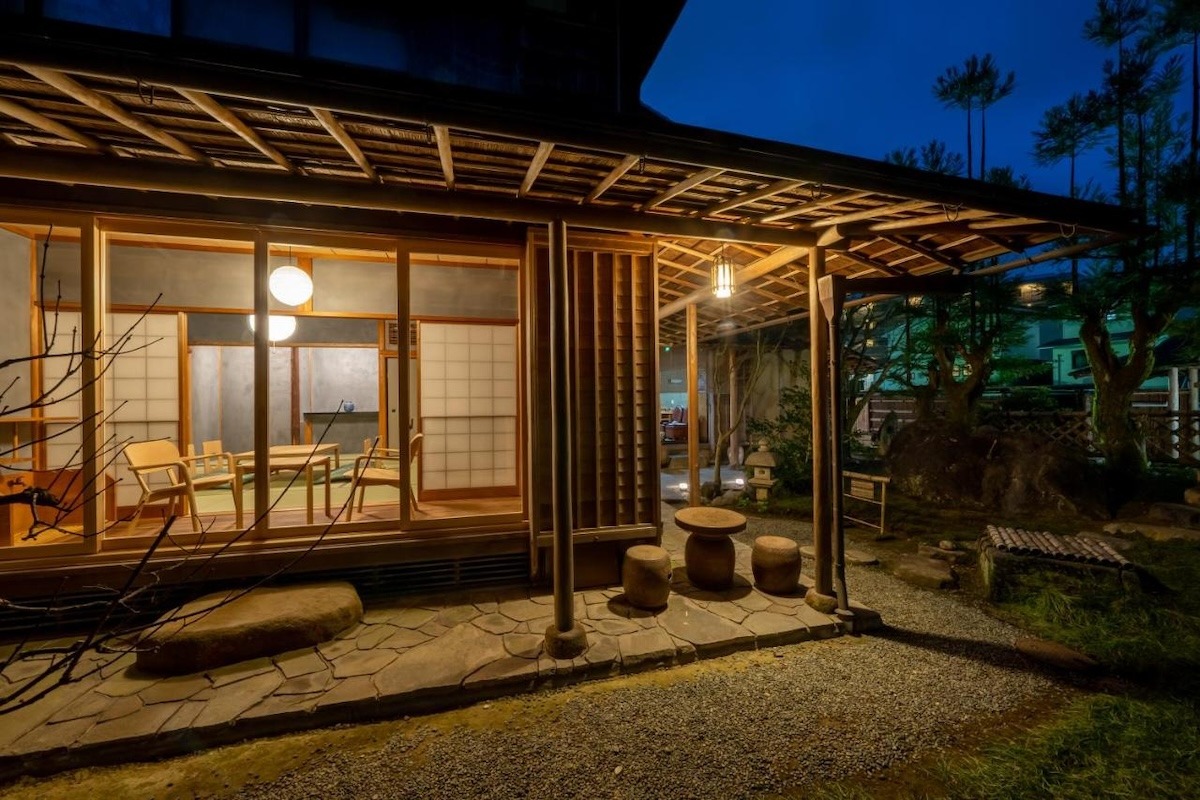
Upon your arrival at the ryokan, you’ll be greeted by the warm and welcoming staff. Check-in typically starts in the early afternoon. As you step inside, take a moment to appreciate the traditional Japanese decor, complete with tatami mats, shoji screens, and wooden architecture.
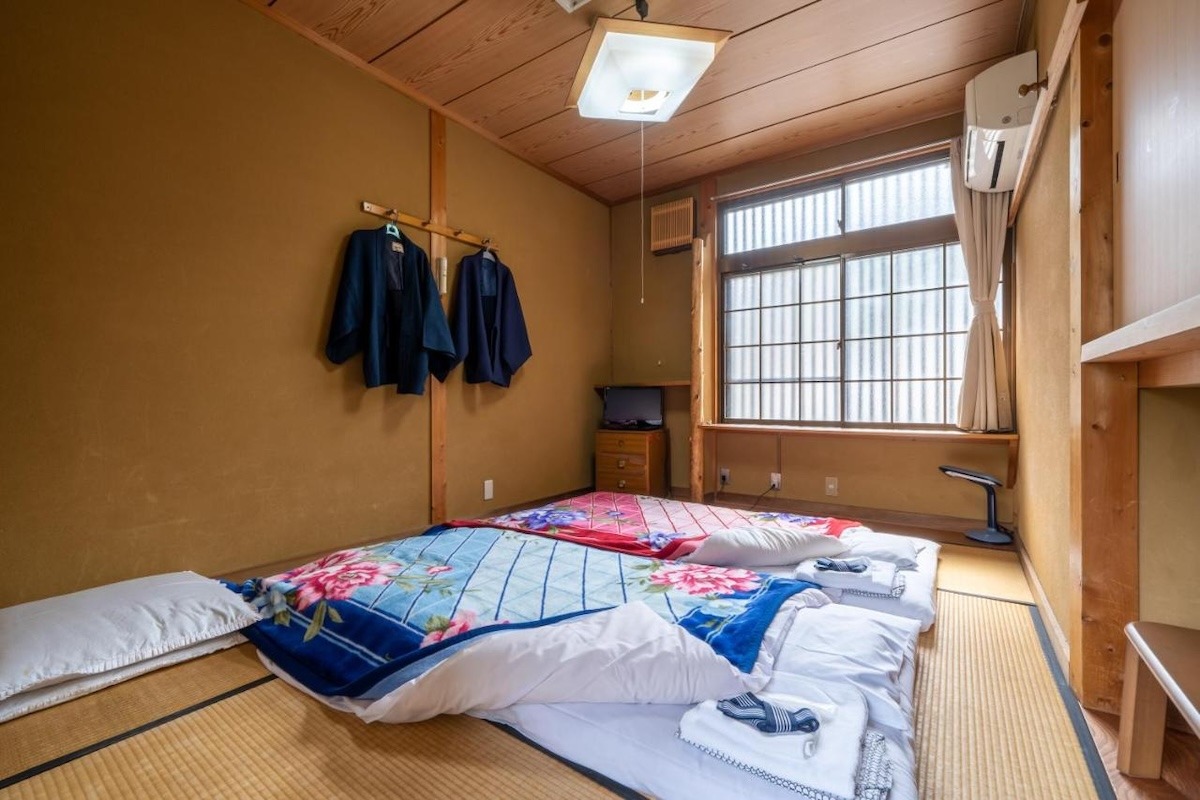
After checking in, you’ll be guided to your room, where a futon bed laid out on tatami mats and a yukata (a casual summer kimono) await you. Change into the yukata to fully immerse yourself in the ryokan experience.
Exploring the Ryokan Grounds
Take a leisurely stroll around the ryokan grounds. The Ryokan Yamazaki boasts a beautifully maintained Japanese garden complete with koi ponds and bonsai trees. This serene environment provides the perfect backdrop for relaxation and mindfulness.
Traditional Tea Ceremony
In the late afternoon, head to the ryokan’s tea room for a traditional Japanese tea ceremony. This ritualized preparation and presentation of matcha (green tea) is not only a cultural heritage but also a meditative experience.
Onsen Bathing
One of the highlights of staying in a ryokan is soaking in an onsen (hot spring bath). At Ryokan Yamazaki, you can enjoy a private or shared onsen, offering a soothing experience that rejuvenates both the body and the mind. Make sure to follow the onsen etiquette, such as rinsing yourself before entering the bath.
Kaiseki Dinner
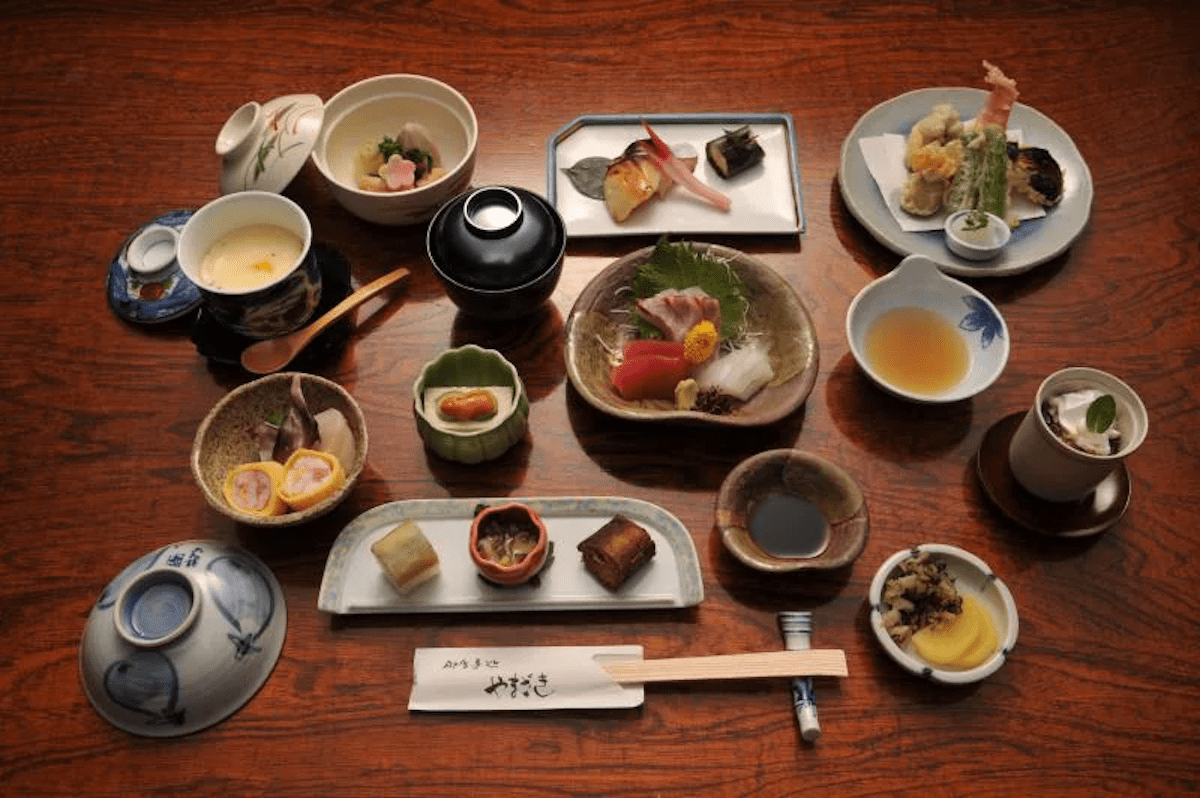
As evening falls, prepare for a Kaiseki dinner, a traditional multi-course meal that is a true feast for the senses. The meal typically includes seasonal ingredients prepared with exquisite attention to detail. Each dish is an art form, from sashimi and tempura to delicate desserts. Dining in your room or the ryokan’s dining area, this experience is a culinary journey through Japan’s rich food culture.
End your day with a peaceful night’s rest, lulled by the gentle sounds of nature outside your window. The soft futon bedding ensures you start the next day refreshed and ready for more adventures.
Day 2: Cultural Immersion and Kyoto Exploration
Morning: Breakfast and Temple Visit
Start your day with a traditional Japanese breakfast at the ryokan. The breakfast typically includes a variety of dishes such as grilled fish, miso soup, rice, pickles, and a variety of side dishes, all artfully prepared and presented.
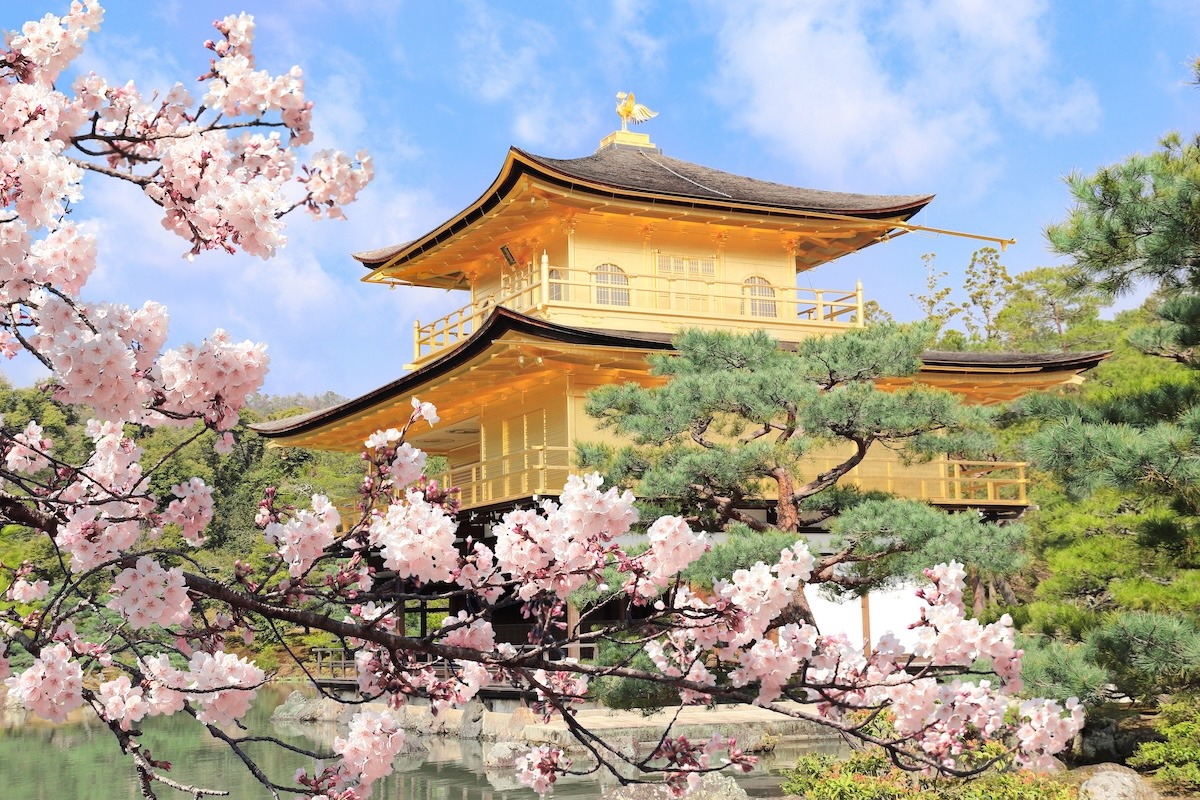
After breakfast, head out to explore some of Kyoto’s most iconic temples. Begin with a visit to Kinkaku-ji, also known as the Golden Pavilion. This Zen Buddhist temple is famed for its stunning golden exterior that reflects beautifully on the surrounding pond.
Next, visit Ryoan-ji, known for its famous rock garden. Spend some time meditating on the tranquility and simplicity of the garden, a quintessential example of Zen aesthetics.
Lunch: Nishiki Market
For lunch, make your way to Nishiki Market, often referred to as “Kyoto’s Kitchen.” This bustling marketplace is filled with stalls selling fresh produce, seafood, and traditional Kyoto specialties. Be sure to try local delicacies like yuba (tofu skin), pickled vegetables, and skewered seafood.
Afternoon: Gion District and Tea Houses
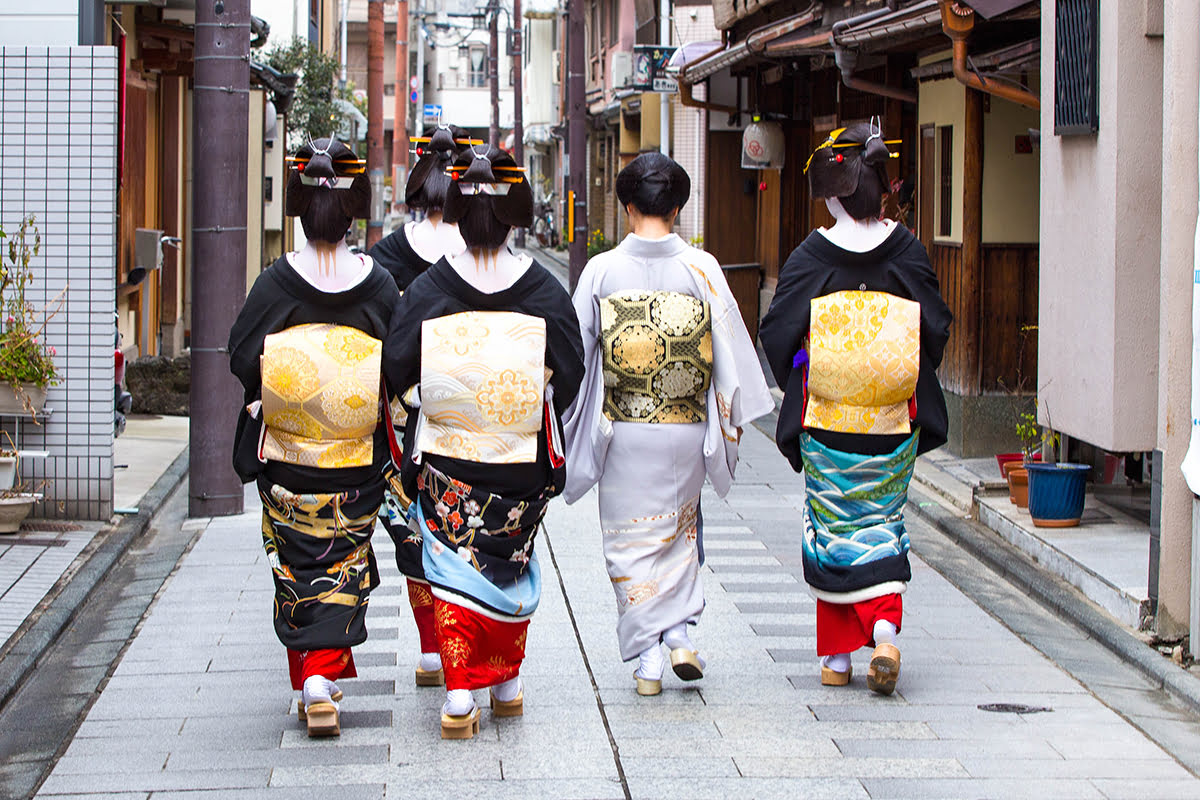
In the afternoon, head to the Gion District, Kyoto’s famous geisha district. Stroll through the historic streets lined with traditional wooden machiya houses. Visit one of the local tea houses for a relaxing break and the chance to experience a traditional tea ceremony.
If you’re lucky, you might even spot a geisha or maiko (apprentice geisha) as they make their way to appointments.
Evening: Fushimi Inari Shrine
End your day with a visit to the Fushimi Inari Shrine, one of Kyoto’s most iconic landmarks. Famous for its thousands of vermilion torii gates that create a winding path up the mountain, this shrine offers a magical experience, especially at dusk when the crowds thin out and the atmosphere turns mystical.
Return to your ryokan for another restful night. If you haven’t already, take advantage of the onsen once more or enjoy a leisurely walk around the garden under the moonlight.
Day 3: Nature and Serenity in Arashiyama
Morning: Arashiyama Bamboo Grove
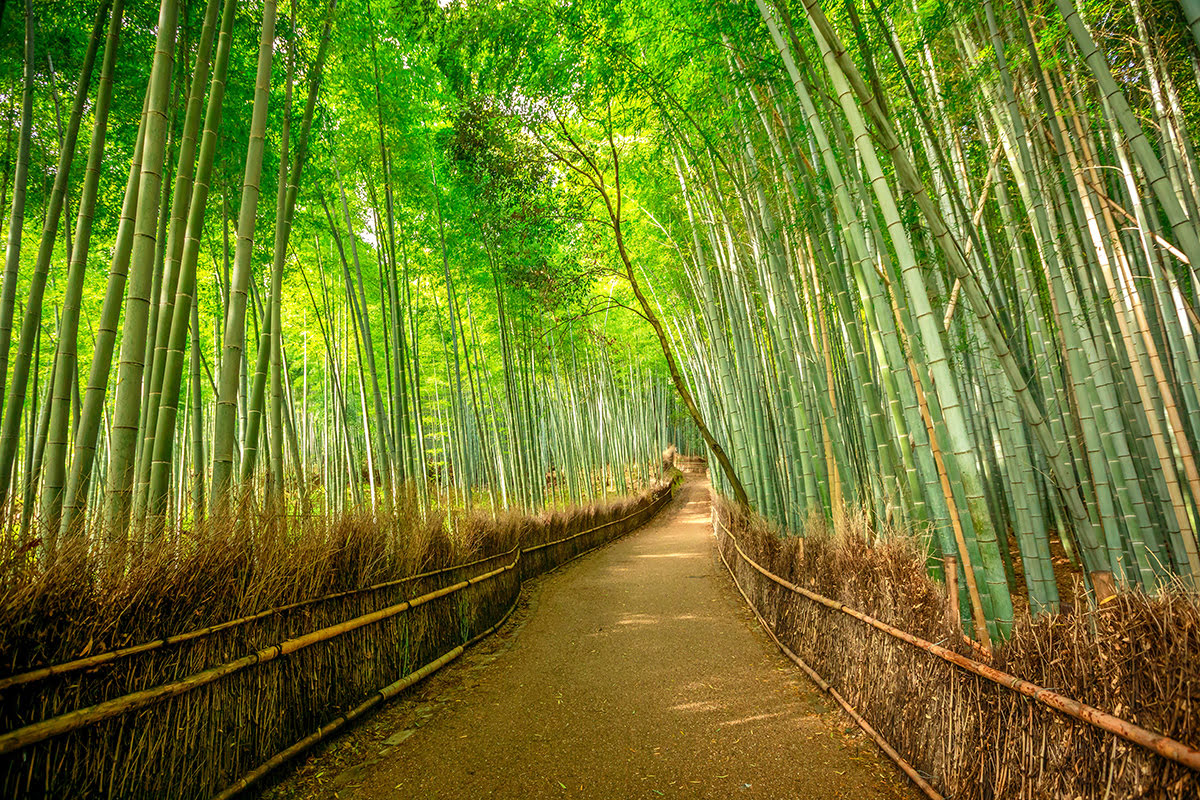
Get an early start to your day by heading to the beautiful Arashiyama district, located on the western outskirts of Kyoto. Your first stop should be the Arashiyama Bamboo Grove. Walking through the towering bamboo stalks, especially in the morning when the light filters through softly, offers a truly magical experience.
As you wander through the pathways, you’ll feel a profound sense of peace and connection with nature, making it the perfect way to start your day.
Mid-Morning: Tenryu-ji Temple
Just a short walk from the Bamboo Grove is Tenryu-ji Temple, a UNESCO World Heritage Site. This Zen temple is renowned for its exquisite gardens, which are a blend of traditional Japanese design and natural landscapes. Spend some time exploring the beautiful Sogenchi Garden, designed to harmonize perfectly with the surrounding scenery.
Lunch: Hozugawa River Boat Ride
For a unique dining experience, take a delicious bento lunch on a Hozugawa River Boat Ride. This scenic 16-kilometer journey takes you through the lush valley and offers stunning views of the surrounding landscapes. The boat ride brings a deeper appreciation of Japan’s natural beauty.
Afternoon: Monkey Park Iwatayama
After your boat ride, head to Monkey Park Iwatayama, located in the Arashiyama area. The park is home to over a hundred wild monkeys that move freely within the park. It’s a fantastic opportunity to observe these fascinating creatures in their natural habitat and enjoy panoramic views of Kyoto from the observation deck at the top of the mountain.
Evening: Sagano Scenic Railway
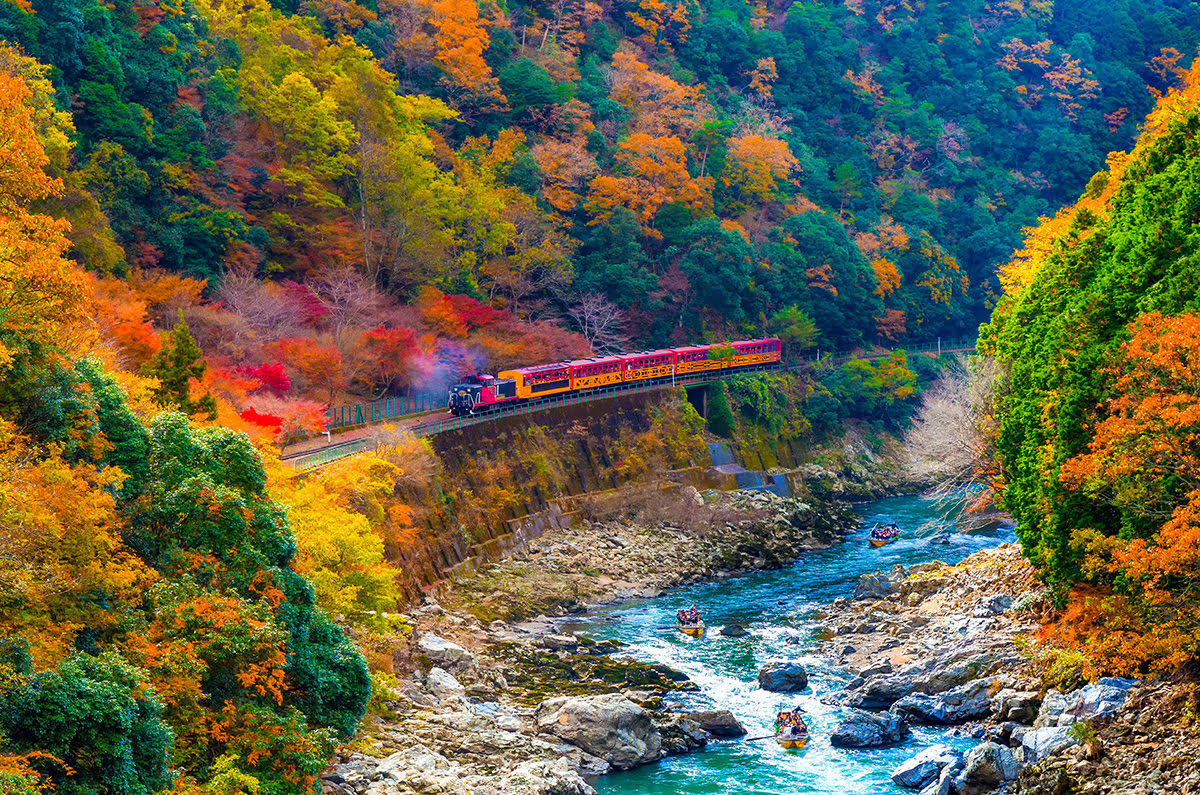
Conclude your day with a ride on the Sagano Scenic Railway, also known as the Sagano Romantic Train. This 25-minute journey follows the Hozugawa River and offers breathtaking views, especially during the autumn foliage or cherry blossom seasons. The nostalgic experience of the old-fashioned train is unforgettable.
Return to your ryokan for a well-deserved rest. Consider enjoying another sumptuous kaiseki dinner, or simply take some time to relax and soak in the tranquility of your surroundings.