Chiang Mai, nestled in Thailand’s mountainous northern region, is a city that effortlessly combines ancient temples and rich culture with modern amenities and adventurous experiences. Whether you’re a history buff, a nature lover, a foodie, or an adventure seeker, Chiang Mai has something special to offer. Let’s dive into the top things you can do in this enchanting city.
Day 1: Cultural Immersion
Visit Wat Phra That Doi Suthep
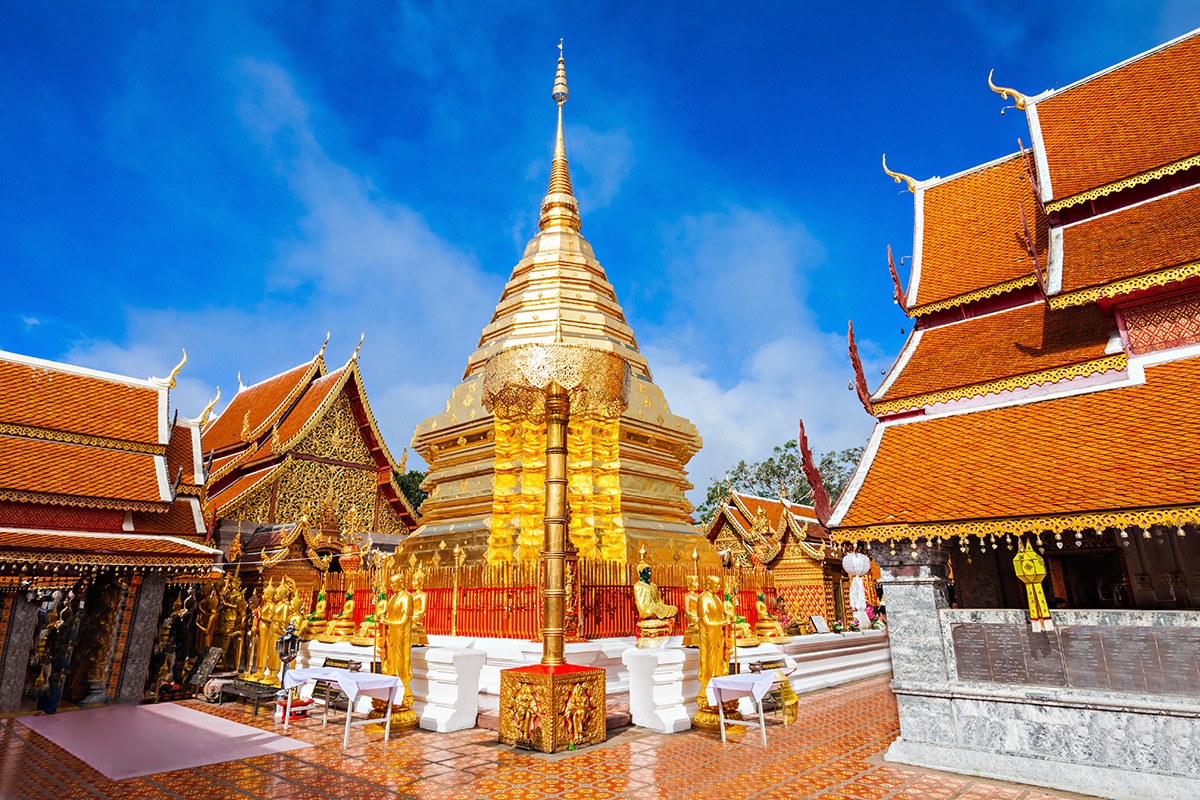
Start your journey at the iconic Wat Phra That Doi Suthep, one of Thailand’s most sacred temples. Perched on a mountain overlooking Chiang Mai, the temple offers breathtaking views and a glimpse into Thai spiritual culture.
Explore the Old City
Venture into the heart of Chiang Mai and explore the Old City, home to crumbling city walls and dozens of temples, including Wat Chedi Luang and Wat Phra Singh.
Discover Chiang Mai’s Cultural Centers
Don’t miss the Chiang Mai Arts and Culture Centre and the Chiang Mai Historical Centre to gain a deeper understanding of the city’s history and cultural evolution.
Day 2: Nature and Adventure
Take a Trip to Doi Inthanon National Park
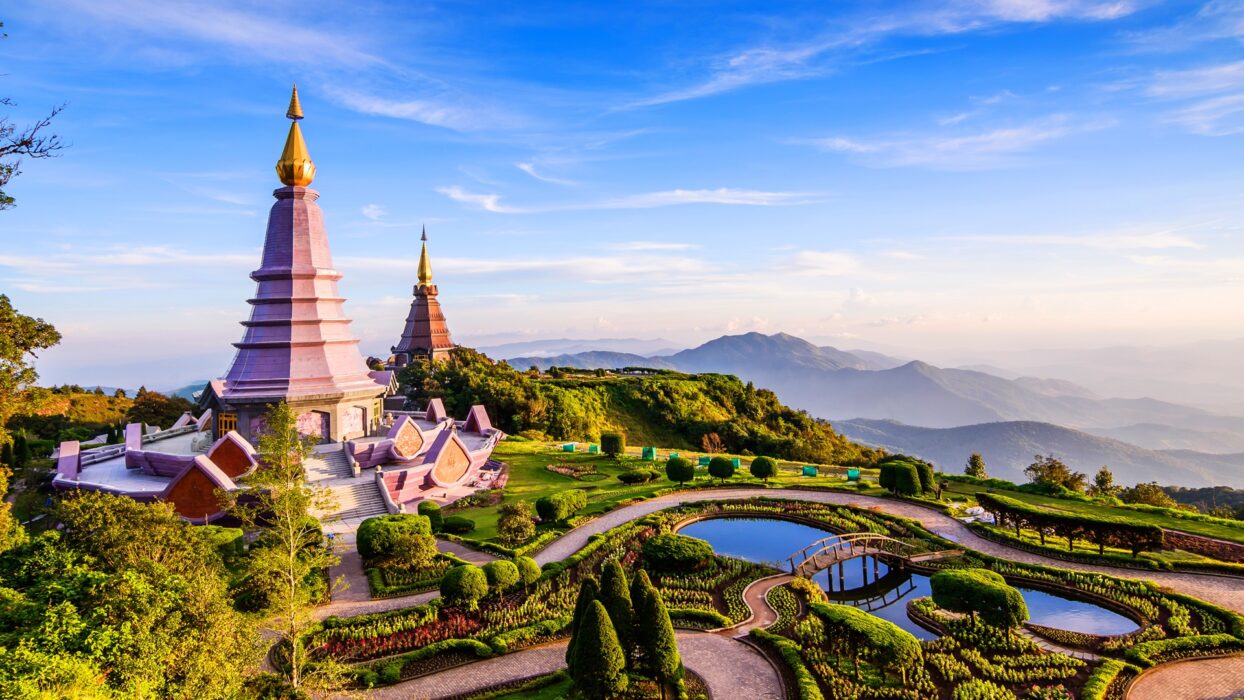
Head to Doi Inthanon National Park, Thailand’s highest peak. The park offers stunning landscapes, waterfalls, nature trails, and opportunities to see rare wildlife.
Visit an Elephant Sanctuary
Experience ethical wildlife tourism by visiting an elephant sanctuary. The Elephant Jungle Sanctuary and the Elephant Nature Park are top choices for seeing these majestic creatures up close in a humane environment.
Explore Bua Thong Sticky Waterfalls
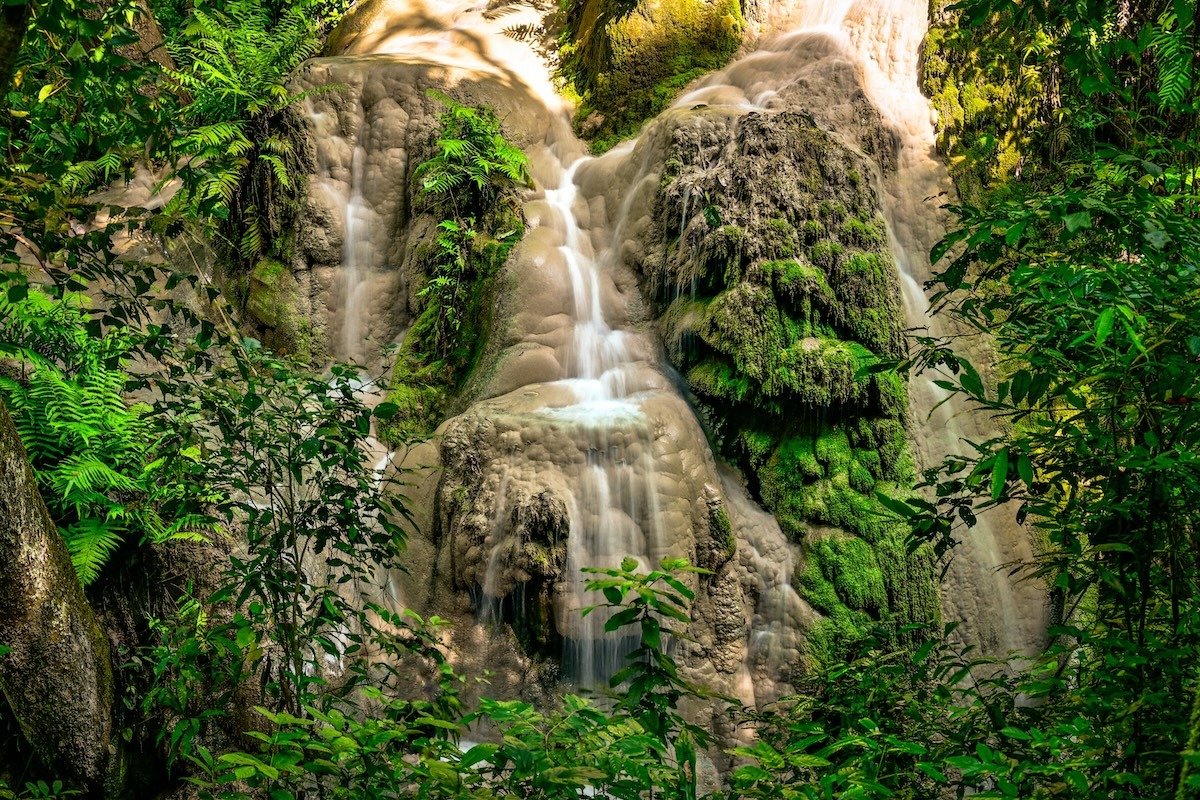
Bua Thong Sticky Waterfalls offer a unique and fun experience where you can climb up the limestone falls with ease. It’s an adventure not to be missed!
Day 3: Markets and Cuisine
Shop at the Sunday Walking Street Market
The Sunday Walking Street Market is a vibrant and bustling market that operates at Tha Pae Gate. It’s an excellent place to buy local crafts, enjoy street food, and soak in the lively atmosphere.
Sample Local Delicacies
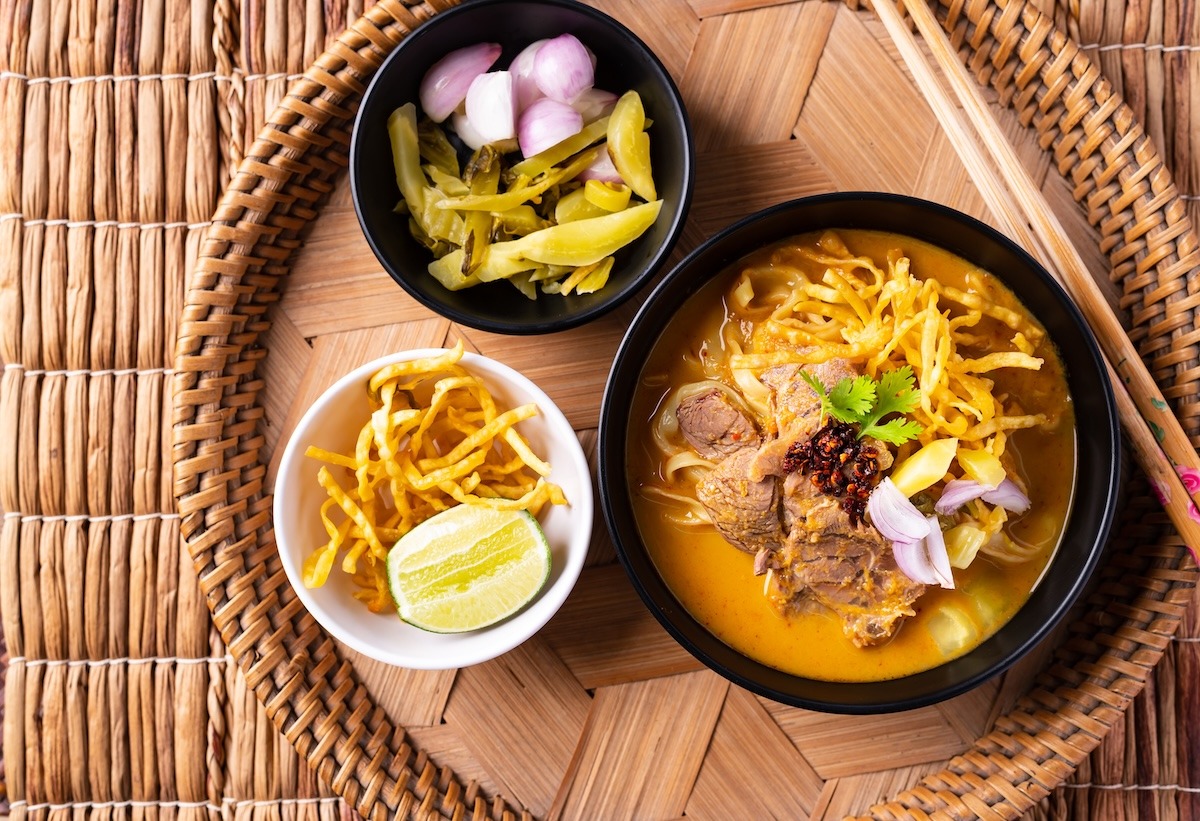
Chiang Mai’s food scene is incredible. Make sure to try local delicacies like Khao Soi (curry noodle soup), and don’t miss out on a food tour to experience the city’s best street foods.
Enjoy the Night Bazaar
Conclude your day with a visit to the Night Bazaar, which offers a fantastic array of souvenirs, handicrafts, and more delicious street food. It’s a perfect end to a cultural day.
Day 4: Wellness and Relaxation
Indulge in a Traditional Thai Massage
Chiang Mai is renowned for its wellness retreats. Spend the morning indulging in a traditional Thai massage at one of the city’s many spas and wellness centers.
Attend a Meditation Retreat
For those seeking inner peace, joining a meditation retreat at a temple like Wat Umong or Wat Suan Dok can be a profoundly calming experience.
Visit Mon Cham for Relaxing Views
Head out of the city to Mon Cham, a tranquil hilltop destination offering stunning views of the surrounding hills and a respite from the bustle of city life.
Day 5: Unique Experiences
Take a Cooking Class
Learn the art of Thai cooking with a class at Baan Thai Cookery School. This hands-on experience is both fun and enriching.
Visit Local Villages
Explore the local life by visiting a village like Mae Kampong, renowned for its beautiful scenery and sustainable tourism initiatives. It is a great way to experience Northern Thai culture first-hand.
Participate in the Loi Krathong and Yi Peng Festivals
If your visit coincides with November, participate in the Loi Krathong and Yi Peng festivals, where thousands of lanterns illuminate the night sky—a magical sight to behold.
Practical Information for Travelers
Getting Around
Chiang Mai is accessible by taxis, songthaews (shared red trucks), tuk-tuks, and rental scooters. Apps like Grab provide convenient ride-hailing services.
Best Time to Visit
The best time to visit Chiang Mai is from November to February, when the weather is cool and comfortable. However, this is also the busiest tourist season, so early bookings are recommended.
What to Pack
Pack light, breathable clothing for the daytime and a light jacket for evenings. Comfortable walking shoes are a must, and don’t forget your swimsuit for visits to waterfalls and hotel pools.
Language Tips
Learning a few basic Thai phrases can enhance your experience. Common phrases include “Sawasdee” (Hello), “Khob Khun” (Thank you), and “Tao Rai?” (How much?).
Currency and Connectivity
The local currency is Thai Baht (THB). ATMs and currency exchange counters are widely available. Most areas have strong mobile network coverage, and SIM cards and Wi-Fi are easily accessible.